
Measuring curtains for a bay window can seem like a daunting task, especially for those unaccustomed to the intricacies of interior design. The alluring charm that bay windows exude is undeniable; they create a space that floods with natural light and allows for stunning vistas. However, achieving the perfect fit for your curtains in such a uniquely shaped window requires precision and understanding. This comprehensive guide will take you through a well-structured process, facilitating a seamless measurement accomplishment.
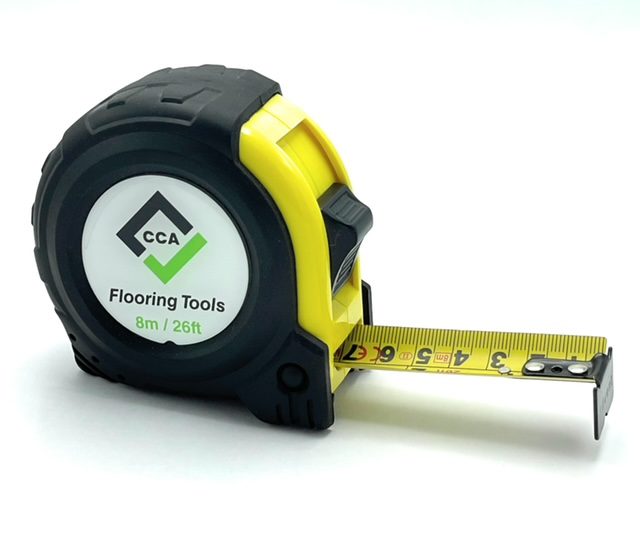
Before embarking on your measurement journey, gather essential tools to ensure accuracy. You will need a tape measure, a pencil, a notepad for jotting down measurements, and possibly a step ladder if your bay window extends to higher ceilings. Having these items at your disposal creates an organised environment conducive to effective measuring.
First, take the time to understand the shape and style of your bay window. Most bay windows have three panes that protrude outward from the exterior wall, creating a delightful alcove within the room. This classic design often includes a centre window flanked by two side windows at an angle. The beauty of this arrangement is that it offers varying options for hanging curtains—whether you’re leaning towards drapes that drape gracefully, or opting for a sheer panel to maintain an open feel.
Next, determine the type of curtain rod or track you will use. For bay windows, a flexible curtain track may be ideal as it can conform to the angles of your window layout. Deciding on the hardware ahead of time will significantly influence your measurement process, as it may require different measurements compared to traditional curtain rods that run straight across.
With your tools and insights in hand, start measuring the width of the window. Begin at the outer edge of the curtain rod or track at one end of the bay window and extend your tape measure across to the outer edge of the opposite end. Ensure your tape measure is level and straight, as any slant can lead to inaccuracies. If you choose a rod that overlaps with the walls of your window, consider adding extra inches to your measurement to ensure adequate coverage and a stylish flourish.
After establishing the width, the next step focuses on the height of your curtains. Measure the distance from the top of the curtain rod or track to the desired end point, which could be the floor or a chosen length above it. For a sophisticated look, many opt for curtains that cascade slightly onto the floor, affectionately dubbed the “puddle” look. If you prefer an airy atmosphere, select an above-the-floor measurement that draws the eye up without dragging on the ground.
For measuring the height, it is crucial to account for your chosen curtain style. For example, if you plan on using eyelet curtains, which require a heading tape, ensure that you measure from the top of the tape, not the top of the rod itself. This distinction is vital as it can drastically alter the final length of your curtains.
Moving on to the angled sides of the bay window, measuring becomes slightly more intricate. For each side window—typically forming a 30 or 45-degree angle to the centre—measure the width at the top of the windowframe, while also determining the height you desire for the curtain. It is advisable to take notes for those angular pieces, as they often require bespoke treatment in terms of fabric length and drapery style.
When measuring the angle, be sure to maintain consistency in how the curtain will hang. If you desire two separate panels for the angled windows, ensure to measure each one independently. The width of each curtain panel swung open should be ideally 1.5 to 2 times the width of the window for a correct gathering effect, adding a touch of elegance to the window treatment.
Now that you have amassed all pertinent measurements, consider the fabric. The choice of material will significantly impact how the curtains fall and their overall aesthetic. Heavier fabrics such as velvet or silk will create luxuriant folds but may require additional calculations for fullness and length. Conversely, lighter materials like sheer linen will float elegantly, perfect for a more relaxed ambience.
As you prepare to place your order or embark on a DIY sewing project, compile all your notes and double-check your measurements one final time. It is not unusual for excitement to cloud judicious judgement, leading to missed numbers or hasty assumptions. Precise measurements will save both time and treasure in the long run, so ensuring accuracy now is paramount.
Finally, with everything in place, submit your measurements confidently to your chosen supplier or prepare to cut fabric skillfully. Installing your curtains on your beautiful bay window will surely be the cherry on top of your design endeavour, transforming the room into a sanctuary filled with both warmth and style.
Measuring curtains for a bay window is an art that marries practicality with a touch of creativity. When executed correctly, the resulting ensemble elevates the entire room, highlighting the architectural beauty while offering privacy and comfort. Embrace the unique challenge, and let your bay windows shimmer with elegance!






Leave a Comment