
In recent years, vaping has surged in popularity, particularly among younger demographics. However, as with any product regulated by law, there are specific age restrictions that govern its use and purchase. In the UK, legal stipulations around purchasing and using vaping products are aimed primarily at protecting minors from the potential harms associated with nicotine consumption. This article delineates the age limits for vaping in the UK, alongside pertinent details about the rationale behind these laws, the various types of vaping products available, and the implications for young individuals.
Understanding the Legal Age for Vaping in the UK
In the United Kingdom, the law stipulates that individuals must be at least 18 years of age to purchase vaping products. This legal restriction mirrors the age limit for buying tobacco products, demonstrating a cohesive approach to regulating substances that contain nicotine. The overarching goal is to diminish the allure of vaping among underage individuals by creating barriers to accessibility.
As of the current legal framework, this age restriction encompasses all forms of vaping products, including e-liquids and devices. The law is sternly enforced, with retailers facing significant penalties for non-compliance. It underscores the grave concerns about young people’s health and the potential onset of nicotine addiction that can occur at an early age.
The Types of Vaping Products
Vaping products are not monolithic; they encompass a diverse array of devices, components, and e-liquids. Understanding these distinctions is vital for both users and potential users, especially in the context of legal age restrictions.
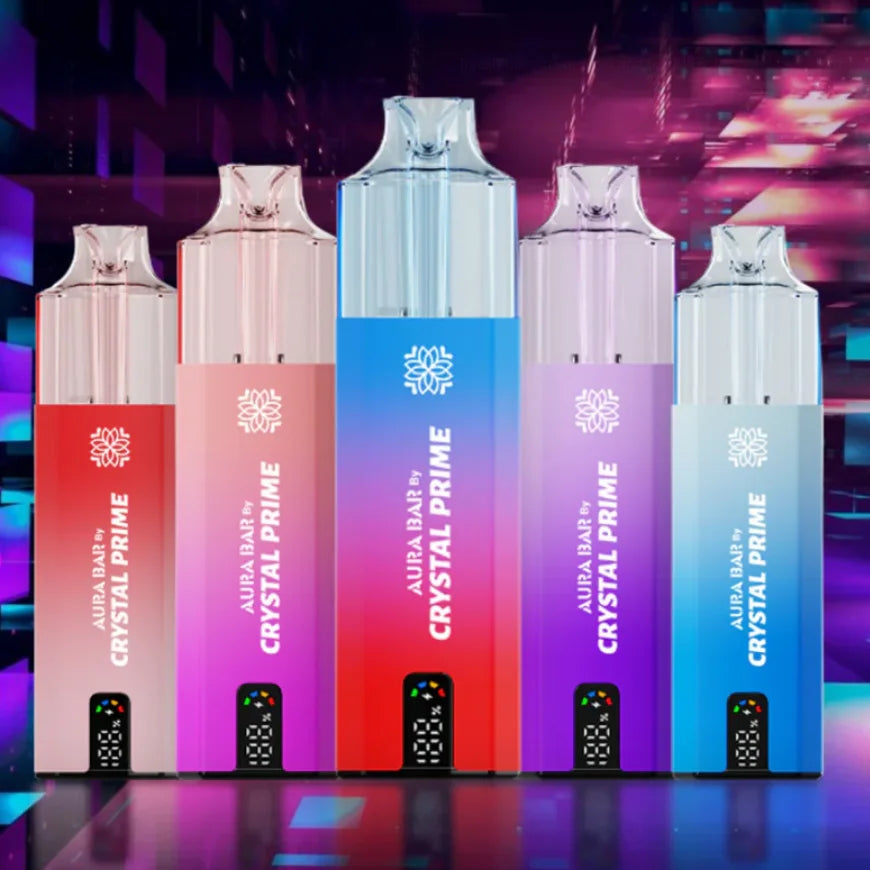
- Disposable Vapes: These are pre-filled devices designed for single use, offering a no-fuss entry point into vaping. Brands like Crystal Prime produce disposables capable of delivering substantial puffs, making them particularly attractive to new users.
- Tank Systems: Employing reusable tanks, these devices require users to fill them with e-liquid. They offer greater versatility in terms of flavouring and nicotine strength but necessitate a degree of maintenance and understanding.
- Pod Systems: A blend between disposables and tank systems, these devices use pods that can be replaced once emptied. This convenience appeals to many, especially those who prefer a less cumbersome approach to vaping.
- Box Mods: Designed for seasoned users, box mods provide extensive customization options, including voltage control and wattage settings. Their complexity may deter novice users, aligning more with experienced vapers.
The Nicotine Factor
In the realm of vaping, the nicotine content of e-liquids presents another significant consideration. E-liquids come in varying strengths, allowing users to select their preferred level of nicotine. This aspect is particularly crucial given that nicotine is an addictive substance, and exposure at a young age can have detrimental effects on brain development and overall health.
Health professionals and educators frequently warn against the dangers of forming an early addiction. As such, the age restrictions are not merely bureaucratic stipulations but rather a public health measure aimed at safeguarding youth against the risks associated with nicotine intake.
Why the Age Limit Matters
Given the rapid evolution of vaping culture, it is imperative to understand why age limits are enforced. Research has identified that early exposure to nicotine can lead to increased susceptibility to addiction, cognitive impairments, and heightened risk-taking behaviours. Therefore, legal restrictions serve a dual purpose: protecting the health of young individuals while also staving off a potential public health crisis.
The advent of social media and peer influence plays a significant role in shaping attitudes toward vaping. It creates an environment where young people may feel compelled to engage with vaping culture earlier than before. The law serves as a protective barrier against this trend, but it requires vigilant enforcement and comprehensive education to be effective.
Implications for Young Individuals
For youths enticed by the allure of vaping, understanding the law is crucial. Engaging with vaping at a young age can result in legal ramifications for both individuals and merchants. Underage individuals caught purchasing or in the possession of vaping products may face penalties, while retailers can be penalised for selling to underage customers. This underscores the community’s responsibility in ensuring compliance with existing laws.
Moreover, the necessity of educating young people about the potential risks associated with vaping cannot be understated. Comprehensive educational campaigns can equip youths with the knowledge needed to make informed decisions about their health and well-being. Highlighting the consequences of nicotine addiction and the importance of waiting until they are of legal age to participate in vaping culture is vital.
Conclusion
In summary, the legal age for vaping in the UK is unequivocally set at 18 years, reflecting a commitment to safeguard the health of young individuals. This age restriction aligns with the sale of other nicotine products, emphasising a cautious approach to public health. As vaping continues to evolve, it remains imperative for society to engage with youths on this topic—educating them about the associated risks while reinforcing the importance of adhering to the law. Ultimately, ensuring that young individuals adhere to these age restrictions will influence their long-term health outcomes and lifestyle choices.








Leave a Comment