
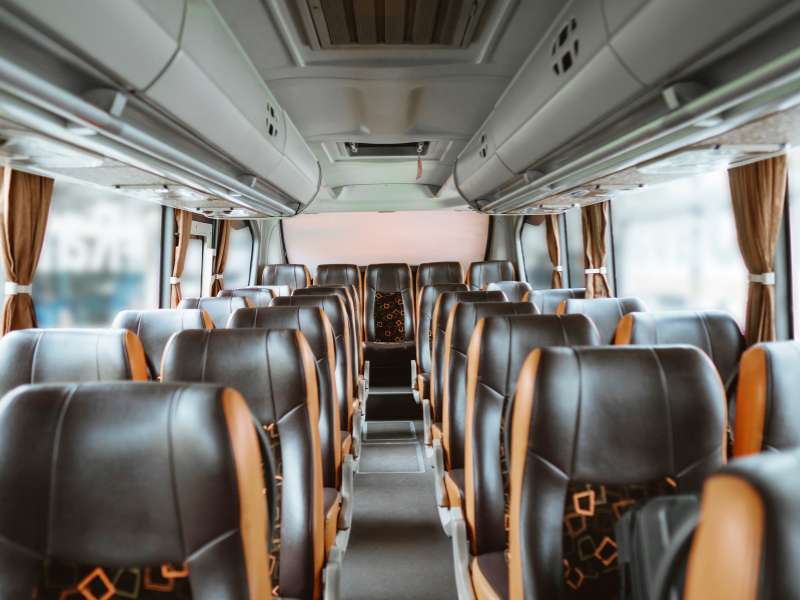
When it comes to travel, few options are as comfortable and versatile as coach buses. But how many seats can you expect in a typical coach bus? Beyond this seemingly simple question lies a myriad of factors that contribute to the overall design and functionality of these vehicles. This guide will not only explore the seating capacity and configurations of coach buses but also delve into the essential features that make them a preferred choice for group travel.
At first glance, you might think, “Isn’t it straightforward? A bus has a number of seats—end of story!” However, the reality is much more intricate. The world of coach buses is filled with numerous layouts, varying seat counts, and personalised options—all of which cater to diverse travel requirements. So, let’s embark on a journey to uncover the fascinating details of coach bus seating.
The typical seating capacity of coach buses can range anywhere from as few as 20 seats to an impressive 60 or more. But before you finalise your travel plans based on the assumption of a standard arrangement, it’s crucial to understand the various types of layouts that are available. Different configurations are necessary for differing purposes, whether it be a school trip, a corporate excursion, or a leisurely sightseeing tour.
The most common type of coach bus, often referred to as a standard coach, usually accommodates between 40 to 55 passengers. This is an optimal number for long-distance travel, as it allows for adequate space and comfort while providing a sufficient seating arrangement. But what factors influence the design and seating layout of these marvels on wheels?
One primary consideration is the purpose. For instance, a coach bus intended for long-distance travel might feature plush reclining seats and additional legroom, whereas one designed for local tours might prioritise more compact seating or adjustable configurations that facilitate easier passenger flow. Furthermore, buses tailored for specific events or organisations may offer fewer seats but enhanced amenities, such as tables, charging ports, and onboard restrooms.
Another important aspect of coach bus layout to consider is seat arrangement. Coach buses may have a variety of seating formats, including:
- Traditional 2×2 Layout: This layout features two seats on either side of the aisle, maximising passenger capacity without sacrificing comfort. Ideal for general group travel, this setup is the norm for many standard coaches.
- 1×1 Layout: Found in more luxurious coach models, this configuration offers a single seat on each side of the aisle. This provides more space and privacy, suitable for executive voyages or special occasions where comfort is paramount.
- Club or Lounge Style: Some coaches are designed with a lounge-style configuration, featuring 4 seats around a table. This is particularly popular for corporate events, as it encourages interaction and conversation among passengers.
Besides seating arrangements, the distance between rows, generally referred to as “pitch,” plays a significant role in the perceived comfort. A general rule of thumb is that a coach bus will have a pitch of between 30 to 34 inches, allowing ample legroom for passengers. In contrast, a coach designed for a shorter trip may have a tighter pitch, thereby increasing seating capacity at the expense of comfort.
Now, let’s consider the critical question of accessibility. Many modern coaches are equipped with features such as wheelchair lifts and designated seating areas for passengers with reduced mobility. Though this might reduce the overall seat count, these essential adaptations are vital for ensuring travel is inclusive of all individuals, showcasing a charitable aspect of coach bus design.
An intriguing challenge for group organisers is determining the best layout to suit their needs. As you sift through the options, consider not only the number of seats required but also the intended experience of your journey. Will there be presentations or entertainment during travel? Will food and beverages be served? Such factors can dramatically influence the choice of bus and layout.
Moreover, the coach bus experience extends beyond just seating. Essential amenities such as air-conditioning, advanced audio-visual systems, Wi-Fi connectivity, and comfortable restrooms can greatly enhance the journey. When plotting your travel plans, be sure to evaluate what additional features might complement your seating arrangement for the ultimate comfort and convenience.
So, how do you navigate the myriad options available to find the ideal coach bus for your journey? Start by assessing the size of your group followed by the type of travel experience you wish to cultivate. Engage with coach bus providers who are knowledgeable about the nuances of their fleet, ensuring they can guide you toward the best fit. With careful consideration, the task of selecting a bus transforms from a seemingly straightforward endeavour into a rewarding endeavour that heightens the anticipation of your travel.
In conclusion, the seating capacity of a coach bus is influenced by a multitude of factors—ranging from purpose and layout to additional amenities. Whether you are organising a simple airport transfer or a complex multi-day excursion, remember that the journey itself can be as enjoyable as the destination. Striking the perfect balance between passenger comfort and logistical feasibility is the key to ensuring an unforgettable travel experience.





Leave a Comment