

Picture this: You’re nestled in the dentist’s chair, feeling a mixture of trepidation and curiosity. As the dental hygienist prepares their tools, you can’t help but wonder, “How long does a cavity filling take?” This seemingly innocuous query may lead you down a rabbit hole of contemplation. Is it a quick fix, or could it take an eternity? Let’s embark on an exploration of the time involved in cavity fillings, delving into the myriad factors that influence the duration of your dental rendezvous.
The backbone of this discussion revolves around understanding the procedure itself. A cavity filling typically encompasses several stages: diagnosis, anaesthesia, tooth preparation, filling, and, finally, polishing. Each phase adds to the cumulative time spent in the dentist’s chair, and the total duration can vary significantly based on multiple elements.
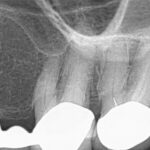
First and foremost, we must consider the diagnosis. This initial stage typically occurs during a routine check-up, where a dental professional assesses the health of your teeth and identifies any cavities. Should you already be aware of your cavity, your dentist can often forego extensive diagnostic procedures. However, if there’s uncertainty or if your dentist suspects the presence of multiple cavities, they may employ X-rays or other imaging techniques, extending the appointment time. Thus, the more thorough the diagnosis, the longer the potential wait in the dental chair.
Next, let’s discuss the anaesthesia phase, crucial to ensuring that you remain comfortable throughout the procedure. Depending on the extent of decay and your own sensitivity to dental work, your dentist may administer local anaesthesia. This process involves numbing the affected area, which can take just a few minutes, but the waiting time for the anaesthetic to take effect must also be factored in. While it’s not actually the filling process, this portion adds to the total chair time.
Once you’re suitably numb, the real work begins with tooth preparation. This stage involves removing decayed material and cleaning the affected area to ensure it is ready for the filling. The complexity of the cavity significantly impacts this timeframe. A smaller, superficial cavity could be addressed in a matter of minutes, whereas a deeper cavity necessitating intricate attention can take considerably longer, ranging from 20 to 40 minutes. Imagine dreading the conundrum of how time-consuming it could get while engulfed in the cacophony of dental drills!
With the tooth prepared, we arrive at the filling phase itself. The type of filling material selected plays a substantial role in determining the duration of this stage. Composite resin fillings, favoured for their aesthetic appeal, demand meticulous layering and sculpting to achieve a natural appearance. This can elongate the process compared to amalgam fillings, known for their durability but simpler procedure. On average, the filling stage might take anywhere from 5 to 30 minutes, depending on the complexities involved.
Lastly, there’s the polishing process. Once the filling is in place, a dentist will spend time ensuring it fits seamlessly with your bite. This part might involve adjustments using specialised dental tools, which, while not excessively time-consuming, is essential for achieving the ultimate comfort and functionality of the filled tooth.
So, how long does the entire procedure take? Typically, for a single cavity filling, one can expect to spend anywhere between 30 minutes to an hour in the dentist’s chair. However, this is merely a general guideline; your unique circumstances can alter this estimate significantly. Factors such as the dentist’s experience, the clinic’s efficiency, and even the time of day can play pivotal roles in the total duration.
It’s also essential to consider personal factors that can influence how long you’ll be at the clinic. Patients with heightened anxiety might take longer to settle into the chair, necessitating additional time for calming techniques. Moreover, if your dental needs include more than one cavity filling or additional treatments such as crowns or root canals, your appointment could extend to a few hours, metamorphosing an ordinary visit into a lengthy ordeal.
Pondering the potential waiting time, one must also factor in the impacts of oral hygiene and preventive care. Regular visits and good oral habits can reduce the instances of cavities, thus potentially shortening the duration of necessary treatments in the future. So why not take a proactive approach to your dental health? This might save you from the existential quandary of extended chair time down the line!
Now, as you exit the dentist’s office, clutching your aftercare instructions, consider this: the time invested in cavity fillings ensures the longevity of your dental health. Whether it’s an hour spent in the chair or a leisurely afternoon of various treatments, maintaining your oral well-being is profoundly rewarding. So, the next time you ponder, “How long does a cavity filling take?”, reflect on the intricacies of the process and the importance of that time in preserving your radiant smile.





Leave a Comment