
When it comes to household pests, few creatures inspire as much dread as rats. These cunning rodents are not merely a nuisance; they threaten health, property, and peace of mind. Understanding how they infiltrate our homes is the first step toward safeguarding your sanctuary. Let’s delve into the nefarious ways these critters breach our defences and explore ingenious prevention strategies to keep them at bay.
Rats are resourceful creatures, adept at utilising their environment to their advantage. Their adaptability runs deep, allowing them to exploit the slightest vulnerabilities in our homes. From humble cracks to expansive crevices, the entry points are manifold, clever enough to surprise even the most vigilant homeowner. Let’s lift the veil on these sneaky passages while arming you with tips to fortify your domicile against their invasive tactics.
1. The Forgotten Foundations: Cracks and Crevices
Examine the foundation of your home closely, and you may be appalled to discover the clandestine entry points hidden within its structure. Cracks, gaps, and crumbling mortar are proverbial open invitations for rats. They can squeeze through holes as small as a 20p coin. Rats expertly exploit these fissures to embark on their journey into your abode.
To prevent such intrusions, diligent maintenance is essential. Inspect your foundation regularly, sealing any cracks with weather-resistant caulk or hydraulic cement. Pay attention to spaces around pipes, vents, and drains where rodents can enter. It is prudent to use metal mesh or mortar to block these strategic access points.
2. Roof Access: The Overhead Route
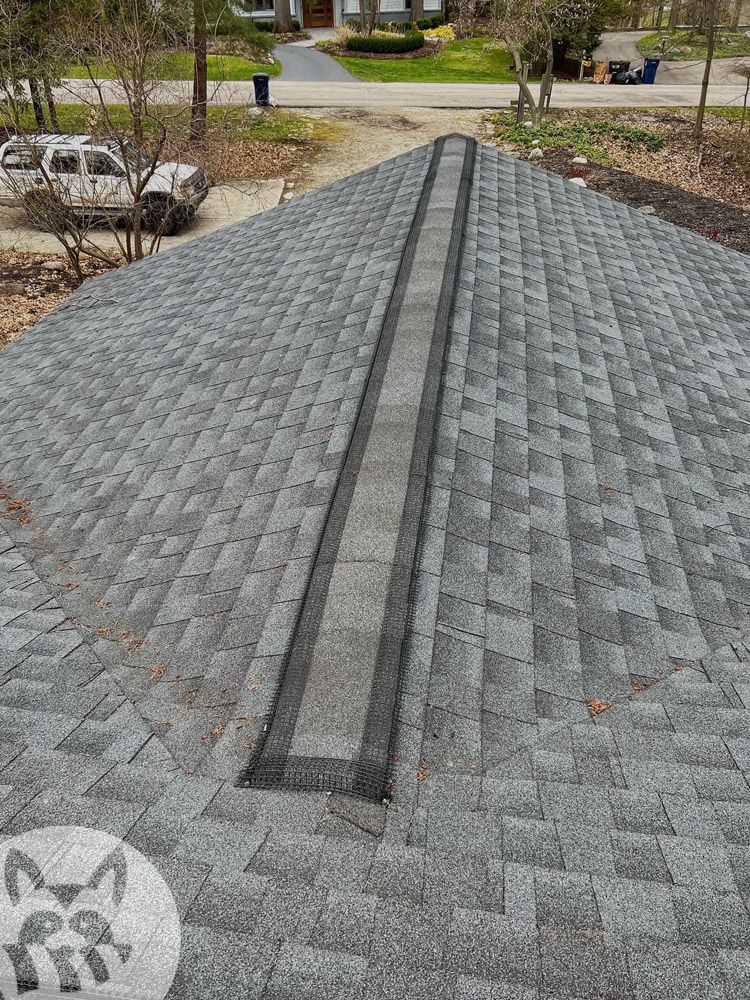
While many may believe rats are primarily ground-dwellers, the truth is they are agile climbers. They can scale trees, walls, and even utility poles with astounding ease. Once they reach your roof, ventilation shafts and broken shingles become their gateways into your home.
To thwart rooftop infiltrators, inspect your roof for any damages. Ensure that vents are properly capped and that there are no gaps at the edges. Installing a mesh screen over ventilation openings can provide a robust barrier. Additionally, understanding the local wildlife can inform you about which tree branches should be trimmed away from your house to eliminate easy climbing routes.
3. The Uninvited Guest: Garages and Sheds
Garages and outdoor sheds can unwittingly serve as breeding grounds for rats if not maintained meticulously. The clutter often harbours not only forgotten items but also provides perfect nesting spots. Moreover, open doors and gaps in the structure offer easy access for these unwelcome visitors.
4. The Lure of the Pantry: Food Sources
Food is the quintessential enticement for rats. Even the faintest whiff of a potential meal can lead them to your doorstep. Kitchens, pantries, and even pet food bowls are prime targets. A single spilled crumb can act as a beacon, launching a bold expedition right into your home.
To diminish the allure of your culinary treasures, store food in airtight, durable containers made of glass or plastic. Rats are tenacious, so loose packets in your pantry are an open invitation. Furthermore, a rigorous cleaning regime, including sweeping and wiping surfaces, will help ensure that no food remnants remain to entice these scavengers.
5. Nature’s Pathway: Landscaping
Another overlooked aspect of rat prevention is the landscape surrounding your home. Overgrown shrubs and dense vegetation can inadvertently create a perfect shelter for these pests. The closer their habitat is to your home, the greater the risk of an infiltration.
Maintain a neat and tidy garden. Trim back hedges and keep plants at least three feet away from the house. Furthermore, elevating wood piles and compost heaps keeps potential nesting materials away from your structure, thereby reducing accessibility.
6. Drainage Dilemma: Pipes and Sewers
Rats are formidable swimmers and can navigate through drain pipes, leading directly into your home. It’s a disturbing thought, but rat populations often thrive in urban sewers, making proper drainage systems crucial for your home’s defence.
To keep these stealthy invaders at bay, consider installing rat blockers or traps in your drainage system. Regularly check for any blockages or leaks, reinforcing areas where pipes enter the home with sturdy caps. Ensuring that your plumbing is functioning efficiently can provide an added layer of protection.
7. Stay Vigilant: Signs of Infestation
Awareness is half the battle. From the faint sound of gnawing to droppings in hidden corners, be on the lookout for signs of rat activity. The sooner you identify their presence, the easier it is to manage and eliminate them.
Keep an eye out for chew marks, nesting materials like fibrous insulation or shredded paper, and the unmistakable scent of urine. Setting up traps in areas where you suspect activity can help confirm their presence. Early detection equips you with the tools necessary to act swiftly and decisively.
In summary, understanding how rats infiltrate our homes is vital for effective prevention. By identifying common entry points and employing proactive measures, you can transform your home into an impenetrable fortress. Regular inspections and a commitment to keeping your environment rat-free will not only protect your property but also provide peace of mind. Ultimately, a little vigilance today can save you from a much larger headache tomorrow.


Leave a Comment