
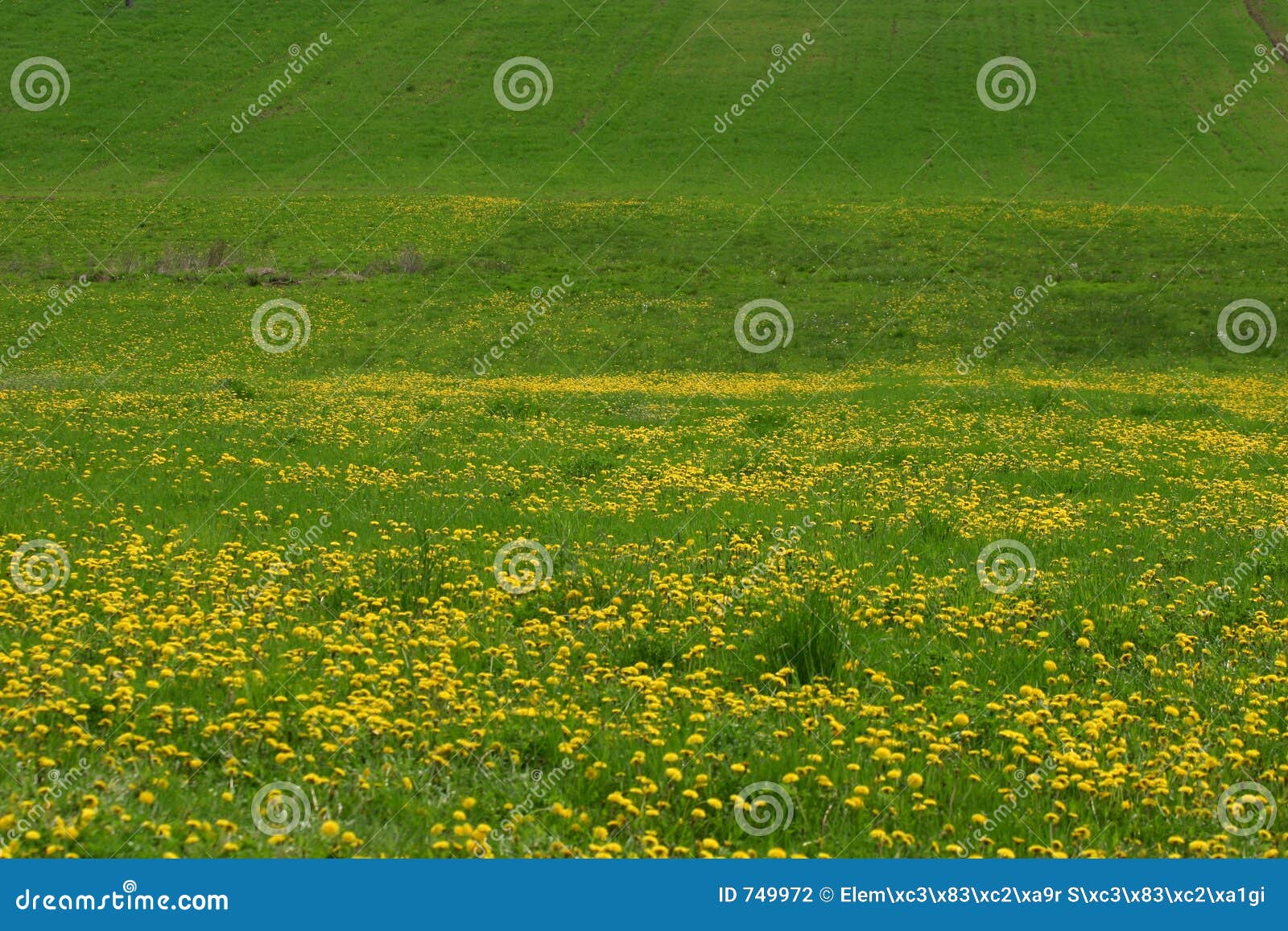
Fields of yellow flowers evoke feelings of cheerfulness and vitality, their vibrant hue captivating the eye and stirring the soul. From vast, sweeping landscapes resplendent with golden blossoms to intimate vignettes of their delicate petals, these fields offer photographers a splendid opportunity to capture nature’s exuberance. In this comprehensive exploration, we delve into the myriad types of yellow flowers that grace our fields and offer photography tips to harness their beauty.
A Palette of Yellow Blooms
Before we embark on the journey of photography, let us first explore the stunning varieties of yellow flowers that might adorn any field. Each type brings its unique charm, beckoning photographers to witness their splendor.
1. Dandelions (Taraxacum officinale)
Often underestimated, dandelions are symbols of resilience. Their bright yellow heads emerge in tufts across meadows, bringing a sense of buoyancy to any landscape. Dandelions are not merely weeds; they are the heralds of spring, and their fluffy seed heads create a whimsical scene ripe for artistic interpretation.
2. Rapeseed (Brassica napus)
Beyond their agricultural importance, rapeseed fields offer a stunning contrast against the azure skies. This striking yellow expanse is a seasonal delight, captivating both the beholder and the lens. The sea of golden blooms undulates with the breeze, creating a dynamic canvas for photography.
3. Sunflowers (Helianthus annuus)
Sunflowers, with their large, round faces reaching towards the sun, epitomise warmth and optimism. Cultivated in rows, they create a natural symmetry that appeals to photographers. Their vivid yellow blooms encapsulate a playful energy, making them a perennial favourite in floral photography.
4. Buttercups (Ranunculus spp.)
Delicate yet abundant, buttercups bring a touch of whimsical charm. Their shiny petals catch the light, creating a sparkling effect that cannot be overlooked. Often found in damp meadows, their low-growing habit makes them perfect for creating layered compositions.
5. Coreopsis (Coreopsis spp.)
Known for their daisy-like appearance, coreopsis flowers exhibit a rich palette of yellows, ranging from golden shades to deep, buttery tones. Their free-flowering nature attracts numerous pollinators, enhancing the natural narrative within a photograph.
6. Black-eyed Susans (Rudbeckia hirta)
With their bright yellow petals fanning out around a dark centre, black-eyed susans bring a striking visual element to any field. Their resilient nature makes them a staple in wildflower compositions, providing robust contrast that enhances photographic imagery.
Photography Tips for Capturing the Essence of Yellow Fields
Having explored the enchanting varieties of yellow flowers, it is essential to explore the art of photographing these beautiful landscapes. Capturing the full essence of a field of yellow blooms requires a blend of technique, perspective, and creativity. Here are some tips to elevate your floral photography.
1. Golden Hour Magic
The soft, diffused light during the golden hours of dawn and dusk can transform your photographs, imbuing them with warmth and depth. The way the sunlight caresses the petals can enhance their vibrancy, making your images sing with colour.
2. Experiment with Angles
Rather than capturing the flowers from a conventional eye-level perspective, consider utilising different angles. Low-angle shots can foreground the flowers against the sky, giving a sense of grandeur. Conversely, shooting downwards can create intricate patterns, allowing the flowers to form a colourful tapestry.
3. Focus on the Details
While wide-angle shots can capture the expanse of a field, close-up photography reveals the intricate details of individual blooms. Pay attention to textures, vein patterns, and the interplay of light and shadow on the petals. Using a macro lens can yield stunning results, illustrating the beauty often overlooked.
4. Incorporate Movement
Don’t shy away from capturing motion within your shots. Whether it’s the gentle swaying of flowers in the breeze or the buzzing of bees, these elements can bring life to your photography. A longer shutter speed can create soft, ethereal effects that encapsulate the essence of the field.
5. Use Complementary Backgrounds
The background is just as important as the subject. Utilizing a backdrop that contrasts or complements the bright yellow blooms can enhance your composition. A deep green foliage or a blue sky can provide a stark contrast, allowing the flowers to pop in your images.
6. Tell a Story
Every photograph has the potential to tell a story. Consider incorporating elements of the landscape, such as winding paths or distant hills, alongside the flowers. This not only provides context but also leads the viewer’s eye through the composition, inviting them into the narrative of your image.
In Closing
Fields of yellow flowers present a harmonious interplay of colour, light, and life, offering limitless opportunities for creative expression through photography. From the dashing dandelion to the elegant sunflower, the spectrum of blooms invites contemplation and connection with the world around us. Embracing these photography tips can unveil the extraordinary within the ordinary, encouraging both novice and seasoned photographers to capture and celebrate the golden glow of nature’s floral masterpieces.







Leave a Comment