
In today’s technologically driven world, our interactions with electrical devices are inescapable. From household appliances to intricate industrial machinery, electricity is the lifeblood of our modern existence. However, with this convenience comes an undeniable risk: the potential for electrical fires. Undoubtedly, these catastrophic events can devastate properties, cause monetary losses, and even endanger lives. This reality prompts an essential question: have you considered the importance of an appropriate extinguisher for electrical equipment?
To mitigate the risk posed by electrical fires, it is vital to equip oneself with knowledge about fire safety essentials. An indispensable aspect of this is understanding the types of fire extinguishers available specifically for electrical equipment. Each type boasts unique properties tailored for particular fire classifications. In this article, we’ll delve into why these extinguishers are not merely a precaution but a necessity, exploring their functionality, classifications, and best practices concerning fire safety.
Understanding Fire Classifications
Before delving into the specifics of extinguishers for electrical fires, one must grasp the basics of fire classifications. Fires are categorised into several classes, with fires involving electrical equipment primarily falling under Class E. Class E fires arise from electrical machinery, wiring, and conductors, where traditional methods of suppression could exacerbate the situation.
Utilising the wrong type of extinguisher can result in perilous situations. For instance, employing water on a live electrical fire is not only futile but can also lead to electric shock or the fire spreading. Thus, understanding Class E fires becomes paramount as you strategise your fire safety measures.
The Essential Role of Electrical Equipment Extinguishers
When it comes to safeguarding against electrical fires, the significance of specialised extinguishers cannot be overstated. These extinguishers are meticulously designed to extinguish fires caused by electrical faults while ensuring safety against possible electrical hazards. Generally, they are recognised by their distinct certifications, which often feature a pictogram denoting their suitability for electrical fires.
Types of Extinguishers for Electrical Fires
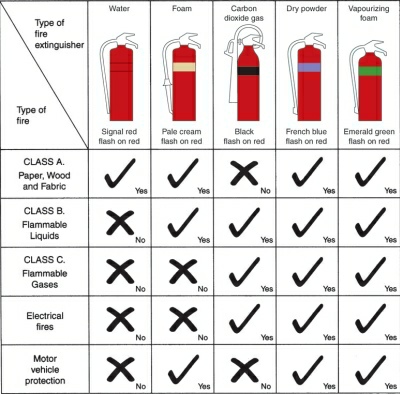
There exists a multitude of extinguishers, each engineered with specific components that grant them the ability to combat Class E fires with pinpoint accuracy:
- Carbon Dioxide (CO2) Extinguishers: These extinguishers discharge a cloud of carbon dioxide gas, effectively smothering the fire by displacing oxygen while remaining electrically non-conductive. Their rapid rate of extinguishment makes them an ideal choice for electrical fires, particularly in places like laboratories or server rooms.
- Dry Powder Extinguishers: Often labelled as ABC extinguishers, these versatile options use a dry chemical powder to interrupt the chemical reaction of a fire. While they are effective on multiple fire classes, it’s crucial to choose a specifically rated dry powder extinguisher with an endorsement for electrical fires.
- Clean Agent Extinguishers: These state-of-the-art extinguishers deploy halocarbon agents that extinguish fires without damaging the surrounding equipment. They are non-conductive and leave no residue, making them particularly advantageous for protecting delicate or valuable electronic devices.
Decoding the Efficacy of Specific Extinguishers
While the type of extinguisher is crucial, understanding its efficacy under specific situations can further illuminate your fire safety strategy. For example, the rapid dissipation of CO2 makes it a formidable opponent against small electrical fires. Conversely, dry powder extinguishers may create a mess or aggravate certain electronic equipment. Select your tools judiciously to ensure an optimal response, whilst preserving your valuable gear.
Installation and Accessibility Considerations
Having the appropriate extinguisher is one thing, but ensuring its strategic installation and accessibility is another. Positioning extinguishers within arm’s reach of high-risk areas—like server rooms, electrical panels or workshops—enhances preparedness. In workplaces, clear signage designating the location of extinguishers will further ensure quick access during an emergency.
Moreover, regular inspection and maintenance of your extinguishers are non-negotiable. An extinguisher that sits unmonitored, gathering dust, is as good as none; its efficacy depends on routine checks that verify functionality and compliance with safety standards.
Educating Yourself and Others
Awareness and training play an invaluable role in promoting fire safety. It is not sufficient merely to own an electrical equipment extinguisher; knowledge of its operation is imperative. Conduct training sessions to familiarise yourself and your team with the use of extinguishers and develop a clear fire response plan for your environment.
Conclusion: Fire Safety is Everyone’s Responsibility
As the digital age continues to thrive, so too does the imperative for fire safety. Investing in the right extinguisher for electrical equipment is a fundamental step towards safeguarding your environment from devastating fires. The risk posed by electrical fires should never be underestimated, and neither should the potential for loss resulting from unpreparedness. Equip yourself with knowledge, ensure your extinguishers are easily accessible, and continuously educate those around you. Fire safety is a shared responsibility, and together, we can contribute to a safer, more secure environment.






Leave a Comment