
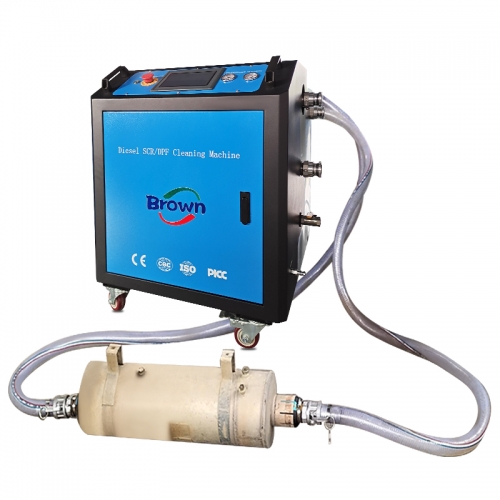
The DPF (Diesel Particulate Filter) cleaning machine serves as a meticulous guardian of automotive efficiency, akin to a skilled artisan tending to a fine piece of machinery. This essential device plays a pivotal role in the heart of modern diesel engines, ensuring that exhaust emissions remain within environmentally acceptable limits. By comprehensively understanding how these machines operate and the financial advantages they offer, one can appreciate their significance in maintaining optimal vehicular performance.
Understanding the DPF and Its Role
The DPF is masterfully designed to capture soot and particulate matter emitted from diesel engines, preventing these contaminants from being released into the atmosphere. Imagine it as a fine mesh sieve that ensures only the cleanest air emanates from a vehicle’s exhaust. Over time, however, these filters become clogged, necessitating an efficient cleaning process. This is where the DPF cleaning machine enters the stage, transforming the intricate dance of emissions cleansing into a precise operation.
How DPF Cleaning Machines Work
The operation of a DPF cleaning machine is both intricate and fascinating, resembling a carefully choreographed routine. To commence, the dirty DPF is securely mounted within the machine. The process typically consists of several stages, each designed to meticulously eradicate accumulated particulates.
Initially, a high-pressure air system is employed, blowing away loose soot to create a baseline of cleanliness. Subsequently, a solvent solution is introduced, meticulously dissolving stubborn deposits that have accumulated over time. This stage often employs ultrasonic technology, which uses high-frequency sound waves to enhance the cleaning action. It effectively penetrates deep into the porous structure of the DPF, akin to a sonic brush scrubbing away the debris of a long-neglected surface.
Once the cleaning solution has performed its duty, the DPF is rinsed with distilled water, flushing away the dissolved contaminants. To conclude this cleansing symphony, the unit is dried using hot air, ensuring that no moisture remains, which could lead to detrimental corrosion or operational inefficiency later on.
The Benefits of Regular DPF Cleaning
The cost benefits of investing in a DPF cleaning machine are expansive and multifaceted. For one, maintaining cleanliness of the DPF can significantly enhance a vehicle’s operational lifespan. Filters that remain uncleaned can lead to increased fuel consumption and potential engine damage, manifesting as a series of compounding expenses for the owner. The phrase “an ounce of prevention is worth a pound of cure” rings particularly true in this context. Regular cleaning can preempt the grim scenario of premature parts replacement or extensive engine repairs.
Moreover, utilising a DPF cleaning machine can yield substantial savings on fuel. A clean filter allows for optimal engine performance, which in turn enhances fuel efficiency. According to industry experts, vehicles with clean DPF systems can improve fuel efficiency by up to 10%. These savings can accumulate, resulting in a much lower total cost of ownership in the long run.
Environmental Considerations
In today’s environmentally conscious society, the role of the DPF cleaning machine resonates beyond mere cost benefits. By ensuring that diesel engines operate efficiently and cleanly, these machines contribute profoundly to reducing harmful emissions. This not only complies with stringent regulations but also promotes a healthier planet. It is as if the DPF cleaning machine dons a cape, fighting against the environmental challenges posed by excessive particulate matter. These devices are, therefore, not merely machines but vital allies in the quest for clean air.
Cost Considerations
When contemplating the investment in a DPF cleaning machine, the initial cost can appear daunting. Prices can range significantly based on the technology used and the machine’s capabilities. However, looking beyond the upfront expenditure reveals a treasure trove of benefits. In many cases, these machines can pay for themselves after just a few uses if the owner operates a fleet of vehicles or runs a repair shop catering to diesel engines.
Furthermore, as regulatory pressures continue to escalate, investing in DPF cleaning technology could be viewed as future-proofing one’s business. Companies that proactively manage their emissions systems will not only avoid potential fines but also enhance their reputation in an increasingly eco-aware market.
The Future of DPF Cleaning Technology
As technology evolves, so too do DPF cleaning machines. Innovations such as automated systems and advanced diagnostic features are becoming more commonplace, allowing for greater efficiency and efficacy. Future iterations may integrate artificial intelligence to analyse cleaning patterns and suggest optimal maintenance schedules, transforming the cleaning process into a proactive system rather than a reactive one.
In conclusion, the DPF cleaning machine is a paramount instrument for any diesel engine owner serious about performance, cost savings, and environmental responsibility. Its role in ensuring efficient engine operation mirrors the importance of a chef’s knife in the culinary arts—essential, precise, and instrumental in achieving the desired outcome. As such, the investment in a DPF cleaning machine transcends its initial cost, revealing a rich tapestry of benefits that extend far into the future. Whether viewed through a financial lens or an ecological perspective, the case for incorporating this technology into one’s maintenance routine is undeniably compelling.





Leave a Comment