
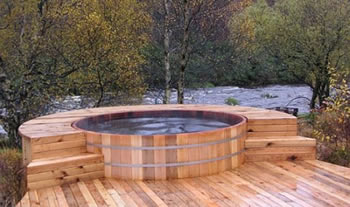
When it comes to relaxation and unwinding, few things can rival the enticing allure of bubbling water and soothing jets. However, the terminology surrounding these aquatic sanctuaries can often be confusing. Have you ever pondered the difference between a hot tub and a Jacuzzi? The answer is not as straightforward as one might think. This article delves into the distinguishing features, costs, and widespread myths surrounding these two popular options for leisure and recovery.
1. Defining the Terms: Hot Tub vs. Jacuzzi
At the outset, it is crucial to clarify the difference in nomenclature. The term “Jacuzzi” is often used interchangeably with “hot tub,” yet it is actually a brand name. Jacuzzi is a company that pioneered the modern hot tub with its patented jet technology. In essence, while all Jacuzzis can be classified as hot tubs, not all hot tubs can be regarded as Jacuzzis. This distinction sets the stage for a deeper exploration of what each term encapsulates.
2. Features of Hot Tubs
Hot tubs are primarily characterised by their ability to hold water at elevated temperatures. Typically constructed from a variety of materials such as acrylic, wood, or fiberglass, hot tubs often feature potent hydrotherapy jets that offer therapeutic benefits. Many models are equipped with adjustable settings, allowing users to customise the intensity and direction of the jets to suit their preferences.
Additionally, one can find a spectrum of hot tub sizes, ranging from compact two-person units to expansive models that accommodate a larger gathering. Hot tubs may also incorporate additional amenities such as LED lighting, built-in sound systems, and even water features that enhance the overall experience of relaxation. Some units are portable, while others are designed to be installed in a fixed location, offering a versatile range of options for potential buyers.
3. The Allure of a Jacuzzi
Jacuzzis, as a dedicated brand, are lauded for their innovation and quality. They are designed with hydrotherapy in mind, utilising advanced jet technology to provide a stimulating massage experience. This experience transcends mere relaxation; it is often accompanied by therapeutic benefits for muscle recovery, stress alleviation, and overall well-being. Jacuzzi models frequently include additional bespoke features, including smart controls, automated cleaning systems, and even energy-efficient heating solutions.
Jacuzzi products are also known for their aesthetic appeal. They can add a luxurious touch to any backyard or indoor space, featuring sleek designs that harmonise with their surroundings. The brand’s reputation for durability and performance often commands a premium price, reflecting the fanatical attention to detail that goes into each unit.
4. Costs: What to Expect
The financial consideration when choosing between a hot tub and a Jacuzzi is of paramount importance. Hot tub prices vary widely based on size, materials, and additional features. A basic model can start around £2,000, while larger, more intricate configurations might soar to £10,000 or even more. On the other hand, a Jacuzzi typically comes with a heftier price tag, often ranging from £5,000 to £15,000. Though the upfront costs for a Jacuzzi can be intimidating, potential buyers should ponder long-term value and potential savings from energy-efficient models.
Moreover, it is essential to account for installation and maintenance costs. Hot tubs usually require a dedicated electrical connection, landscaping considerations, and routine upkeep, which can add to the overall expenditure. Jacuzzis, particularly those equipped with cutting-edge technology, may demand specialised installation to ensure optimal performance.
5. Common Myths and Misconceptions
As with many popular consumer goods, hot tubs and Jacuzzis are shrouded in myths. One prevalent misconception is that all hot tubs are created equal in terms of benefits. In reality, the efficacy of hydrotherapy heavily depends on the quality and design of the jets. While a standard hot tub may provide warmth, an advanced Jacuzzi can address specific health issues through tailored hydrotherapy.
Another myth suggests that these setups are solely for leisure, neglecting their therapeutic potential. In truth, both hot tubs and Jacuzzis can offer substantial relief for conditions such as arthritis, muscle tension, and chronic pain. Furthermore, they can improve circulation and promote relaxation—a twin benefit for both the body and mind.
6. Conclusion: Finding the Right Fit
Understanding the distinctions between hot tubs and Jacuzzis ultimately boils down to recognising your personal preferences and needs. Are you seeking a simple, budget-friendly option for occasional relaxation, or do you desire the luxurious experience offered by a high-end Jacuzzi? With considerations of features, costs, and persistent myths, the decision process might appear somewhat daunting.
So, what will it be? A hot tub or a Jacuzzi? The answer may very well dictate not only your leisure time but also your overall well-being. Whatever your choice, investing in personal relaxation is undoubtedly a step towards enhancing your quality of life, providing a sanctuary to recharge and reinforce the essence of self-care.








Leave a Comment