
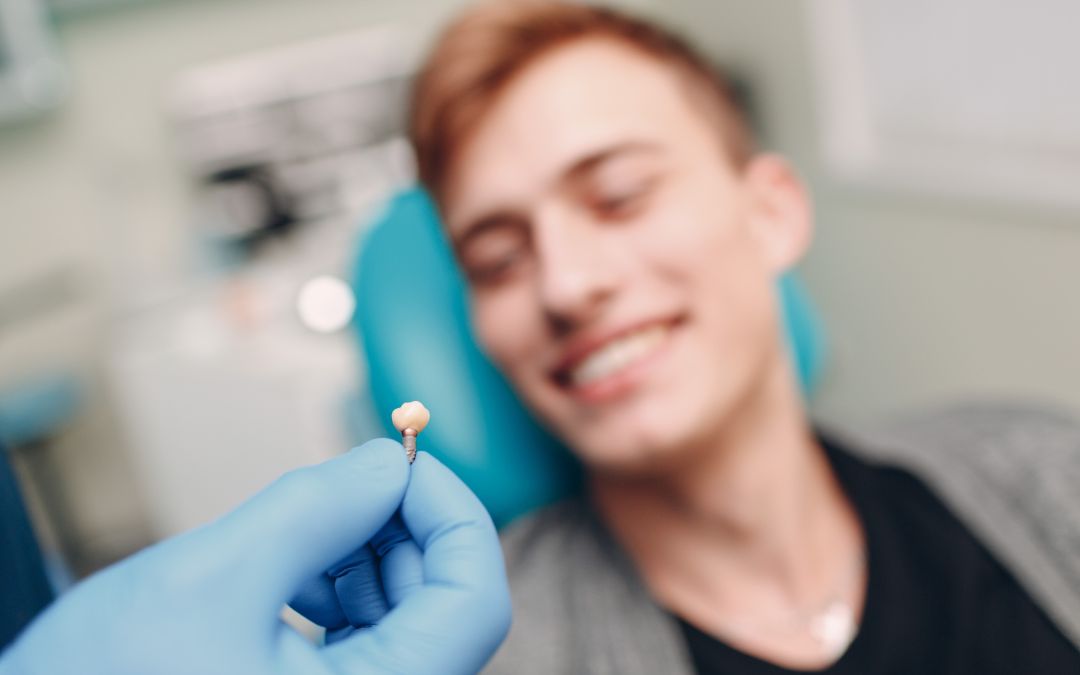
In an age where instant gratification reigns supreme, the allure of one-day dental implants is undeniable. They promise a quick turnaround time, allowing patients to walk out of the clinic with a new smile in mere hours. However, behind this enticing prospect lurk numerous complexities and potential dangers that warrant a thorough examination. This article delves into the multifaceted risks associated with one-day dental implants, offering insights that may just make you reconsider the rush for a speedy smile.
The Concept of One-Day Dental Implants
One-day dental implants, often referred to as same-day implants, allow for the extraction of damaged teeth and the placement of new implants in a single appointment. This concept appeals to many patients, as it minimises the waiting period for a complete restoration of function and aesthetics. Yet, while this convenience is tempting, it is essential to scrutinise what is behind such rapid procedures.
1. Insufficient Healing Time
A primary concern with one-day dental implants is the lack of adequate healing time. Traditional implant procedures usually require a healing period of several months where the implant fuses with the jawbone, a process known as osseointegration. In one-day procedures, this crucial phase may be greatly abbreviated or, in some cases, overlooked entirely. Patients may experience compromised stability, leading to eventual implant failure.
2. Increased Risk of Infection
In any surgical procedure, the risk of infection looms large. One-day dental implants often involve a hurried installation process due to the compressed timeline. This haste can result in less-than-sterile conditions and inadequate post-operative care, significantly elevating the likelihood of infection. Such complications can necessitate further medical intervention and, at times, lead to severe ramifications for the patient.
3. Compromised Aesthetic Outcomes
Another significant danger associated with one-day dental implants is the potential for subpar aesthetic results. Achieving a lifelike appearance requires meticulous planning and artistry, factors that can be sacrificed in a rapid procedure. Discrepancies in colour, shape, and overall alignment are not uncommon when time is short, leaving patients with a smile that may not fully meet their expectations.
4. Limitations in Bone Quality Assessment
The success of dental implants heavily depends on the quality and quantity of the jawbone. In traditional methods, a thorough examination and assessment of bone structure take place prior to the procedure. However, in one-day dental implants, the rush can lead to insufficient analysis, particularly if a bone graft is required. This negligence can result in later complications, including implant failure and the necessity for further surgeries.
5. Financial Implications
While the concept of one-day dental implants may seem financially efficient due to the time saved, they can ultimately result in unforeseen expenses. Patients might initially save on time and the number of appointments, but additional costs associated with complications, follow-up treatments, or even replacements can compound financial strain. Assessing the true cost of such quick fixes is imperative for informed decision-making.
6. Emotional Consequences
Missing teeth or subpar dental aesthetics can have significant emotional effects on individuals. The expectation of a quick resolution can lead to an emotional letdown if the results do not align with initial hopes. This disillusionment can spark feelings of regret, anxiety, and disappointment, ultimately overshadowing the initial urge for a speedy smile.
7. The Importance of Second Opinions
In the realm of dental care, seeking a second opinion is invaluable. Many dental practitioners advocate for a cautious approach to one-day implants, highlighting the importance of individualised treatment plans. Patients should be encouraged to consult multiple specialists to gather diverse insights, ensuring that they are fully informed about their options and the associated risks. This deliberate approach can empower patients to make choices that best serve their long-term dental health.
8. Evaluating Long-Term Strategies
Patients considering their dental options should weigh long-term benefits against short-term solutions. While one-day implants may seem appealing, long-lasting results and overall oral health should take precedence. Engaging in thorough discussions with dental professionals about alternative methods for implant placement can provide more sustainable and less risky solutions, ensuring a healthier mouth and a radiant smile in the long run.
Conclusion: Weighing the Risks
In conclusion, while the prospect of one-day dental implants can evoke excitement and hope, it is crucial to approach this option with caution. The potential dangers—ranging from insufficient healing and increased infection risks to compromised aesthetics and emotional tolls—far outweigh the transient benefits of a quick fix. Patients should be diligent in exploring all avenues and understanding the implications of their choices. In dental care, as in life, patience may often yield the most gratifying rewards.






Leave a Comment