
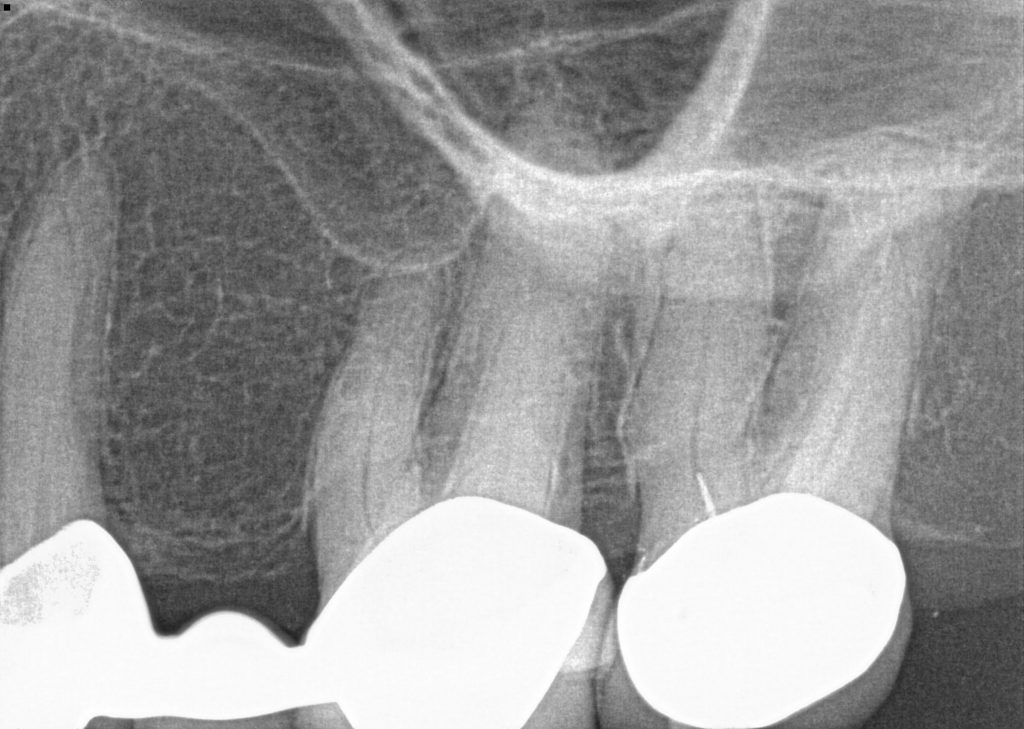
When contemplating the intricate world of dental procedures, root canals often evoke strong emotions. They are, in many ways, misunderstood—poised between life-saving and life-threatening. Root canals are designed to salvage teeth that would otherwise succumb to decay or infection. However, lurking beneath the surface, like a malevolent spectre, is the terrifying possibility of a failed root canal treatment. Can a failed root canal kill you? Let’s delve into the unnerving truth surrounding this dental dilemma.
Understanding the Anatomy of a Root Canal
To grasp the gravity of a root canal failure, one must first apprehend what transpires during the procedure. A root canal involves the meticulous removal of infected or inflamed pulp from inside the tooth, followed by cleaning and disinfecting the interior before sealing it. This dental intervention aims to ease pain, preserve the tooth’s structure, and prevent further complications. However, the journey does not end once the procedure is complete; the tooth, though seemingly salvaged, remains vulnerable.
The Dark Side of Root Canal Treatments
Though the success rate of root canals hovers around 85-95%, failure rates, albeit lower, are disconcertingly present. Complications may arise due to various factors: insufficient cleaning during the procedure; undetected fractures in the tooth; or even the ominous return of an infection. In these scenarios, the tooth may not only remain painful but act as a hollow chamber for bacteria, festering and multiplying silently.
Imagine a neglected castle. The once-majestic structure stands tall, but beneath its façade lies crumbling masonry and lurking shadows. Just as the castle’s decline can lead to ruin, an untreated failed root canal can engulf a patient in a quagmire of health issues.
The Potentially Fatal Consequences
The question lingers: can a failed root canal be fatal? In a word, yes. The implications can extend beyond mere toothache, cascading into serious health risks. When infections in the mouth go unchecked, they can infiltrate surrounding tissues and, in rare and severe cases, breach the bloodstream. This condition, known as sepsis, poses an imminent threat to life.
Moreover, the bacteria from a failing root canal can provoke systemic conditions such as endocarditis, an inflammation of the heart’s inner lining. Such infections can lead to devastating outcomes, especially in individuals with pre-existing health vulnerabilities. The truth is alarming and underscores the pressing need for vigilance in post-treatment care.
Recognising the Red Flags
Being aware of the warning signs of a failed root canal is crucial. Patients should remain alert to symptoms that suggest complications. Swelling in the gums or face, persistent pain, or new sensitivity to temperature can all indicate that something has gone awry. Additionally, the appearance of discharge or an unpleasant taste in the mouth may signal infection. It is imperative to consult a dental professional without delay when these symptoms arise. Like shadows lengthening at sunset, early intervention can prevent a small problem from spiralling into a catastrophe.
Preventative Measures: Safeguarding Your Smile
Prevention, as they say, is better than cure. While it may be impossible to guarantee success, several proactive steps can mitigate the risks surrounding root canal treatments. First, choosing a proficient and reputable dental practitioner is paramount. Experience and skill can be the difference between a successful salvage operation and a tragic saga of woe.
Secondly, following post-treatment protocols is essential. This includes adhering to prescribed medication regimens and attending follow-up appointments. Dental health is an ongoing journey, and the commitment to that journey can protect against unforeseen calamities. Furthermore, maintaining optimal oral hygiene—brushing, flossing, and regular dental check-ups—creates a robust defensive line against potential infections.
Exploring Alternative Treatments
In some cases, the fear of complications leads patients to explore alternatives to root canal therapy. Options such as extraction or regenerative treatments can seem appealing but should be approached with caution. Though these alternatives may provide immediate relief, they often entail their own set of risks and complications. It is vital to have a comprehensive discussion with a dental professional to weigh the merits and demerits of each option, ensuring that the choice aligns with one’s overall health and wellbeing.
Conclusion: The Importance of Vigilance
In the intricate theatre of dental care, awareness and education are the audience to which we must cater. A failed root canal, while frightening, is not an insurmountable adversary. By recognising the risks, listening to one’s body, and taking informed steps, patients can navigate this labyrinthine journey towards oral health with confidence.
In closing, it’s worth reiterating the significance of vigilance. There may be spectres lurking in the shadows of dental treatment, but knowledge can illuminate the path ahead. So, whether you are about to embark upon a root canal or are navigating post-treatment waters, maintain a watchful eye. After all, a healthy smile is worth fighting for, and knowledge is the sword with which we conquer our fears.






Leave a Comment