
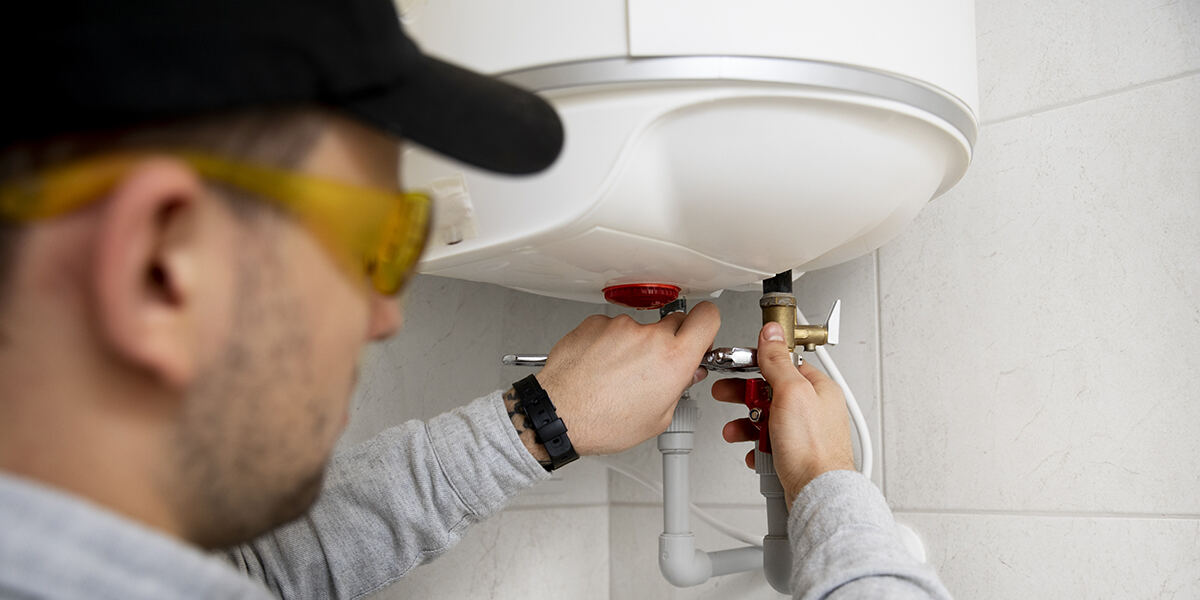
In the quiet serenity of a home, the boiler often lurks like an unseen guardian, diligently working to ensure warmth and comfort. However, when it begins to produce a cacophony akin to a wailing siren, alarm bells start ringing. A boiler making loud noises is not merely an annoyance; it can signal underlying issues that, if left unaddressed, may cause severe detriment to your heating system and, subsequently, your wallet. The following exploration sheds light on the potential causes of those jarring sounds, suggests remedial measures, and guides you on when it is prudent to summon a professional engineer.
Understanding the Symphony of Sounds
Initially, it is essential to tune into the specific nature of the noise emanating from your boiler. Each sound tells a story, a narrative woven with strains of urgency. Here are some common aural manifestations and their likely implications:
- Banging or Clanging: Often likened to the sound of a heavy metal band warming up, banging noises might indicate a phenomenon known as kettleing. This occurs when water bubbles within the heat exchanger due to overheating, leading to a build-up of pressure.
- Whistling: A high-pitched whistle resembles the call of distant trains, suggesting that pressure is building up within the system, possibly due to a blockage in the water flow, or it may be a sign of a malfunctioning valve.
- Gurgling: Much like the playful sound of a bubbling stream, gurgling noises often indicate trapped air within the system. This might occur due to improper bleeding of radiators or low water levels in the boiler.
- Humming: This drone might feel akin to a persistent bee humming nearby, likely stemming from the boiler’s pump or fan that is working harder than it should due to wear and tear or faults.
The Culprits Behind the Clatter
Each sound is not merely an isolated incident; it stems from a multitude of potential issues that can plague a boiler system. Understanding the culprits behind the chaos provides crucial insights for effective resolution.
Kettling: As previously mentioned, kettling arises from limescale build-up within the heat exchanger. This hard, chalky deposit forms when hard water is heated, and as it accumulates, it leads to inefficient heating, pressure build-up, and the accompanying explosive sounds. To remedy this, regular descaling treatments and using a water softener can prove effective in prolonging your boiler’s lifespan.
Air Lock: An air lock is the mischievous intruder that impedes the smooth flow of water through the system, much like a blocked artery impairs circulation. It typically emerges when air infiltrates the system, creating pockets that disrupt functionality. Bleeding the radiators is a simple and usually effective method to remedy this issue.
Pressure Problems: A boiler thrives on balance; if the pressure becomes too high or too low, disruptions ensue. An over-pressured boiler can lead to frightening sounds and is a sign that the pressure relief valve may need examining. Conversely, low pressure can lead to insufficient heating, and the boiler might emit odd noises as it struggles to operate efficiently.
Faulty Components: Every grand machine relies on its parts, and in a boiler, a defective component—be it the pump, valve, or thermostat—can send the entire system into disarray. A meticulous inspection might reveal worn-out parts that need replacement, especially if unusual sounds accompany irregular functioning.
Taking Action: DIY Fixes
Armed with knowledge of potential causes, it’s time to tackle the issue head-on. Here are some actionable steps that you can undertake:
- Bleed Your Radiators: Identify the radiator bleed valve, keep a cloth handy, and open it slightly to release trapped air. Listen for the rush of air escaping, followed by a steady flow of water. This simple act often resolves gurgling noises.
- Check the Pressure: Consult the boiler’s manual to assess the pressure gauge. If it falls outside the recommended range, refer to the manufacturer’s guide for adjusting pressure levels.
- Descale Regularly: Employ a descaling solution specifically designed for boilers to mitigate limescale build-up, maintaining efficiency and reducing noise.
When to Call an Engineer
While DIY fixes can sometimes mitigate minor issues, certain situations demand the expertise of a professional. If your boiler continues to produce alarming sounds despite your efforts, or if you suspect gas leaks, water exposure, or electrical faults, it’s essential to contact a qualified engineer immediately. Attempting to resolve these complex issues without expertise can not only exacerbate the situation but may also pose serious hazards.
Conclusion
A boiler making loud noises should never be likened to the comforting hum of a home. Instead, it signals the need for immediate attention. By understanding the sounds and the causes behind them, homeowners can adopt a proactive approach to maintaining this essential component of their household. Whether through simple DIY fixes or the intervention of skilled professionals, ensuring your boiler runs quietly and efficiently is paramount for sustained comfort and safety in your home.






Leave a Comment