Short Answer
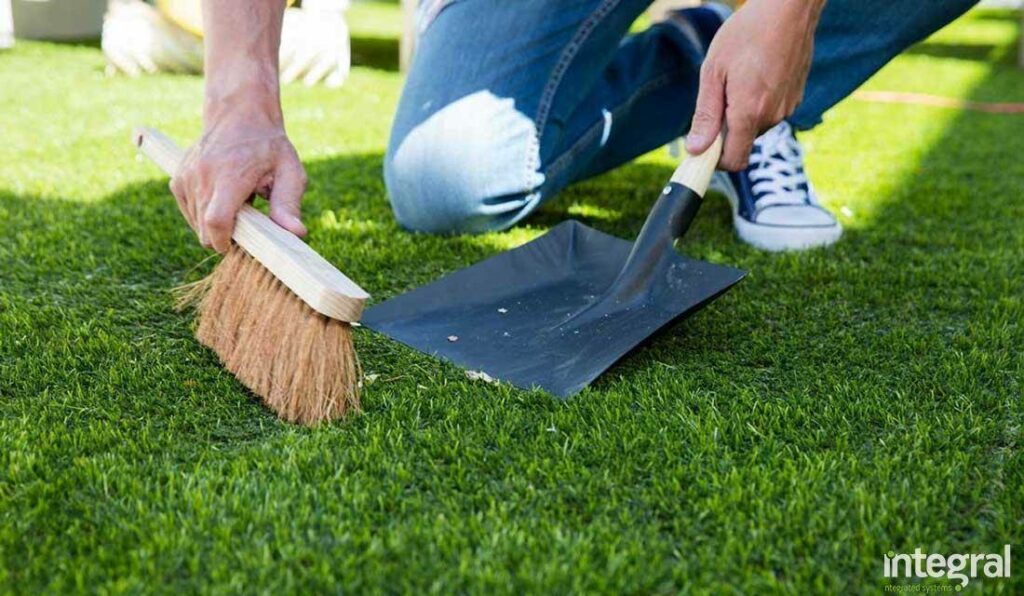
When it comes to maintaining the pristine appearance of artificial grass, the right brush can make all the difference. The allure of a luscious green lawn, devoid of muddy footprints or browning patches, is fundamentally dependent on the tools we employ to care for it. Discovering the best brush for artificial grass not only transforms your landscape but also cultivates an entirely new perspective on lawn care.
Artificial grass has surged in popularity across the UK, and for good reason. It offers a durable, low-maintenance alternative to natural grass, presenting the promise of year-round verdancy without the relentless toil of mowing and watering. However, while synthetic grass dramatically reduces the manual labour traditionally associated with maintaining a garden, it still demands its own special brand of tender care, particularly when it comes to cleaning and upkeep.
In this comprehensive guide, we will delve into the myriad factors influencing your choice of brush for artificial grass, elucidate the essential aspects of cleaning and maintenance, and equip you with the knowledge to ensure your synthetic lawn remains a sumptuous spectacle.
Understanding Artificial Grass: A Brief Overview
Before plunging into the specifics of brushes, it’s crucial to acknowledge the unique structure of artificial grass. Unlike natural grass, which thrives on organic cycles, artificial turf is fashioned from plastic fibres that mimic the appearance of real grass. As a result, it lacks the natural self-cleaning properties associated with biological lawns.
Artificial grass systems typically include an infill material, often comprised of crumb rubber or sand, which provides stability and support. However, to maintain the aesthetic integrity of your lawn, regular brushing is imperative. Brushing serves several purposes: it rejuvenates the blades, dislodges debris, and ensures that the infill is evenly distributed.
The Types of Brushes for Artificial Grass
Choosing the right brush is paramount. There are several types of brushes specifically designed for artificial grass, each with unique features and benefits that cater to various maintenance needs:
- Soft Bristle Brush: Ideal for regular upkeep, a soft bristle brush gently lifts the blades of grass, ensuring they remain upright while effectively removing surface debris. Its non-abrasive nature prevents damage to the turf, making it an excellent choice for synthetic lawns with a delicate finish.
- Stiff Bristle Brush: For more robust cleaning, particularly in areas where mud or organic materials have gathered, a stiff bristle brush is invaluable. This brush type can penetrate deeper into the fibres, dislodging stubborn dirt without compromising the integrity of the grass itself.
- Power Broom: If your maintenance regimen is heavily burdened with leaves or large debris, a power broom may be the answer. These electric devices can cover larger areas efficiently, combining the effectiveness of a traditional brush with the convenience of powered cleaning. However, caution is advised; the wrong settings may inadvertently damage your turf.
- Rake Brush: When faced with significant debris accumulation, a rake brush can serve as a quick and effective tool for clearing away unwanted materials. Its design allows for easy lifting of leaves and twigs while preparing your lawn for a thorough brushing.
Care and Maintenance of Your Brush
Investing in a quality brush for your artificial grass is merely the first step; maintaining that brush is equally vital for optimal performance. After each use, ensure that you remove any grass clippings, dirt, or other debris that may have accumulated. Regularly inspect the bristles for wear and tear; worn bristles can hinder rather than help your cleaning efforts.
Additionally, it’s wise to periodically sanitise your brush to prevent any build-up of microbes or bacteria that could affect the cleanliness of your lawn. A simple mixture of mild soap and water will suffice—just remember to let it dry completely before storing it away.
Cleaning Techniques for Optimal Results
Applying the right technique while using your chosen brush can significantly enhance your cleaning efficacy. Here are some best practices to keep in mind:
- Frequency of Cleaning: Aim to brush your synthetic grass every few weeks, or more often if it experiences heavy foot traffic or is exposed to the elements. This will help maintain an even appearance and prolong the lifespan of your lawn.
- Direction of Brushing: Always brush against the grain of the grass blades first to lift them, followed by a gentle sweep with the grain. This technique helps distribute the infill evenly and promotes an upright position for the blades.
- Infill Maintenance: Pay special attention to your infill material. Over time, it can become compacted or displaced. Use the brush to break up any clumps and redistribute it evenly across the surface.
- Dirt Removal: For stubborn dirt, employ a stiff-bristled brush or power broom. Always follow up with a soft-bristle brush to restore the grass blades to their original position.
Conclusion: Embracing the Art of Maintenance
In the world of artificial grass, the meticulous approach to cleaning and maintenance can yield profoundly rewarding results. Selecting the best brush, combined with an understanding of effective techniques, will transform your relationship with your turf. Rather than viewing lawn maintenance as a chore, embrace it as an art form. With the right tools in your arsenal, your artificial grass can flourish, providing a verdant backdrop for outdoor living all year round.
Ultimately, the key to optimal artificial grass maintenance lies in the intersection of the right tools, regular care, and mindfulness. With these principles in mind, your synthetic lawn will remain an enduring symbol of beauty and practicality.
FAQ
What is the best type of brush for artificial grass?
The best type of brush depends on your maintenance needs, with options including soft bristle brushes for regular upkeep and stiff bristle brushes for tougher cleaning jobs.
How often should I brush my artificial grass?
It’s recommended to brush your artificial grass every few weeks, or more frequently if it experiences heavy foot traffic.
Can I use a power broom on artificial grass?
Yes, a power broom can be used for larger debris, but care should be taken to use the correct settings to avoid damaging the turf.

Leave a Reply