Short Answer
In the quest for warmth during the brisk mornings and bitter nights, installing an electric heater in the bathroom can be a game changer. The bathrooms, often left uncomfortably cool in winter, deserve adequate heating systems that ensure comfort without compromising safety. Herein, we explore various safe electric heater models suitable for bathroom use, alongside a comprehensive installation guide to ensure your purchase is not only functional but also aligned with safety standards.
Why Choose Electric Heating for Bathrooms?
Electric heaters are heralded for their efficiency and ease of use. They promise instantaneous warmth, a crucial feature for spaces where dampness is a constant companion. Unlike traditional heating methods that may circulate dust and allergens, electric heaters can provide a cleaner option. Additionally, they typically have built-in safety features to mitigate overheating and prevent electrical hazards, especially in moisture-laden environments like bathrooms.
Types of Electric Heaters Suitable for Bathrooms

When choosing an electric heater for your bathroom, several models stand out, each catering to different needs and preferences. The following options offer a blend of safety, efficiency, and aesthetics.
- Wall-mounted Electric Heaters – Wall-mounted units save space and provide a dignified minimalist look. Many come with timers and temperature controls, allowing you to programme them to warm the room at designated times. For instance, a panel heater can be installed high up on the wall, providing warmth without taking up valuable floor space.
- Infrared Heaters – Emitting radiant heat, infrared heaters warm objects and people directly rather than heating the air. This style of heater is particularly beneficial in bathrooms, as it reduces the chill immediately upon activation. Infrared models are incredibly energy-efficient, thereby reducing energy consumption and costs.
- Towel Rails – Dual-purpose towel warmers not only heat the bathroom but also dry towels efficiently. These electric towel rails come in various stylish designs and can be fixed to the wall. They operate gently, ensuring that they do not overdry towels while providing just enough warmth for comfort.
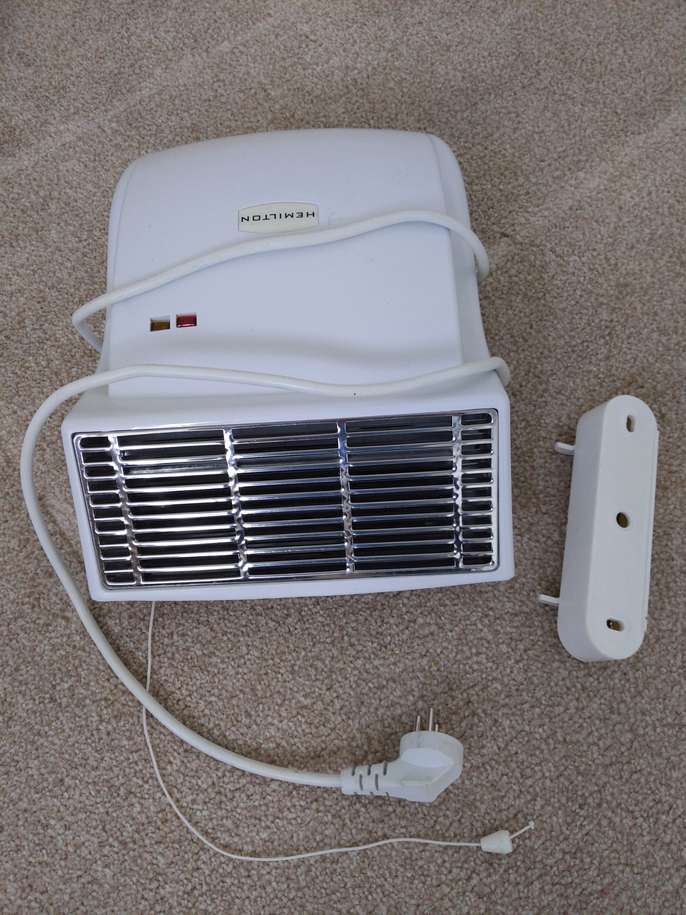
- Fan Heaters – Ideal for those who require quick heat, fan heaters blow warm air instantly into the room. Look for models with built-in safety switches that turn off the heater if it gets knocked over or overheats, making them safer options for bathroom settings.
- Convection Heaters – These heaters warm up the air within the space and can maintain a stable temperature. While they take longer to heat a room compared to fan heaters, they provide consistent warmth which is pleasant in the long term.
Safety Considerations for Bathroom Heaters
When integrating an electric heater into a bathroom, safety is paramount. The bathroom is classified as a zone with increased risks due to water exposure. Here are critical safety measures to consider:
- IP Ratings – Always look for heaters with appropriate Ingress Protection (IP) ratings. For bathrooms, an IPX4 rating or higher is often required, indicating resistance to splashes of water from any direction.
- RCD Protection – Ensure the heater is connected to a Residual Current Device (RCD) for additional protection against electrical shock. This is particularly crucial in wet environments.
- Placement – Install your heater in strategic locations, away from sources of water, such as showers and taps. Height matters too; heaters should ideally be mounted high to prevent direct moisture exposure.
- Proper Installation – Consulting a qualified electrician for installation not only aligns with safety standards but guarantees the longevity of the unit. They can assess your electrical system and optimise performance based on your specific bathroom dimensions.
Installation Guide Overview
Successful installation of your electric heater can generally be broken down into several steps:
- Step 1: Choose the Location – Identify a location that is easily accessible but far enough from potential water splashes.
- Step 2: Gather Tools and Supplies – Ensure you have the necessary tools: a drill, screws, wall anchors, and any brackets needed for mounting. Always refer to the manufacturer’s instructions for specific requirements.
- Step 3: Mark the Wall – Use a level to mark where the heater will be installed, ensuring it’s straight. It’s essential to consider heights that are compliant with safety regulations.
- Step 4: Install the Heater – Attach the heater to the wall according to the instructions provided. If it’s a fan heater, confirm that it is securely mounted to support the enhanced vibrations.
- Step 5: Connect to Power – This step should be performed by a qualified electrician to ensure compliance with all electrical safety standards.
- Step 6: Test the Heater – Once installed, switch on the heater and monitor its performance. Make sure to check for any unusual noises or smells.
Conclusion
Opting for an electric heater in your bathroom can significantly enhance comfort whilst aligning with safety standards. With a variety of models available, from sleek wall-mounted units to practical towel warmers, there is a solution for every bathroom size and style. Adhering to safety protocols and ensuring professional installation will not only create a cosy environment but also protect you and your loved ones from potential hazards.
Investing in the right electric heater will transform your cold bathroom into a sanctuary of warmth, making every visit a more pleasant experience. The right choice can lead to energy efficiency, aesthetic appeal, and increased safety, providing an all-around solution for your heating needs.
FAQ
What types of electric heaters are safe for bathrooms?
Wall-mounted heaters, infrared heaters, towel rails, fan heaters, and convection heaters are all safe options for bathroom use, provided they meet safety standards.
How do I ensure the safe installation of an electric heater in my bathroom?
Consult a qualified electrician, use heaters with appropriate IP ratings, and ensure proper placement away from water sources.



Leave a Reply