Short Answer
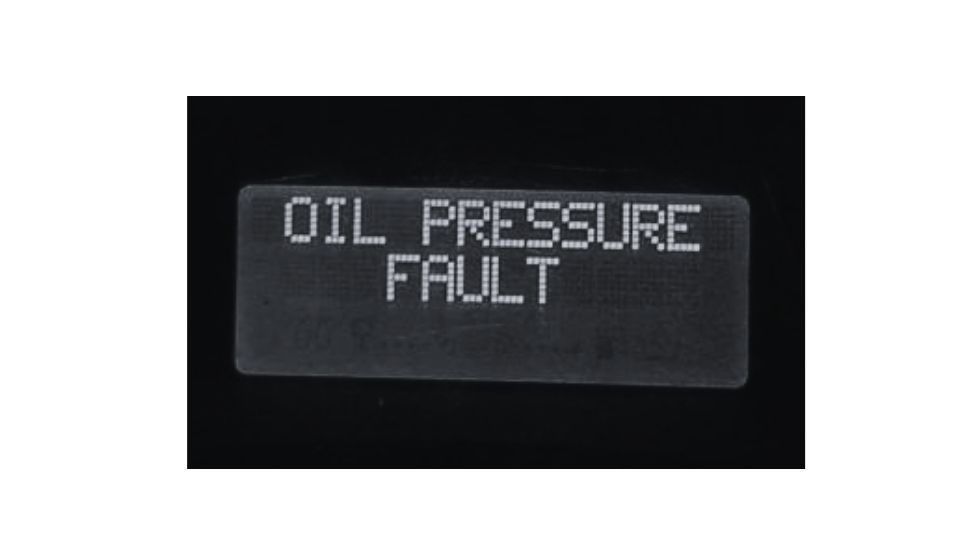
Encountering an engine oil pressure fault warning can instill a profound sense of trepidation in any driver. This ominous alert rarely surfaces without reason, and understanding its implications is essential for safeguarding both your vehicle and your investment. Unraveling the nature of this warning allows you to adopt a proactive approach to engine maintenance, ensuring a longer lifespan and a smoother driving experience.
First and foremost, let’s delve into the primary causes of an oil pressure fault. Numerous factors can contribute to this alarming alert, each necessitating immediate attention. Understanding these causes sheds light on the urgent action required to rectify the problem.
Low Oil Levels
One of the most prevalent reasons for an oil pressure fault is insufficient oil levels. Engine oil serves a vital function in lubricating moving parts, reducing friction and wear. As your vehicle ages or if there are undetected leaks, oil levels can dwindle, leading to inadequate lubrication. The engine’s oil pressure sensor reacts to this lack, triggering a warning sign. Regularly checking your oil levels and topping it up as necessary is a fundamental preventive measure.
Oil Pump Failure
The oil pump is the heart of the lubrication system. If it malfunctions, the flow of oil could be severely restricted, causing a drop in oil pressure. This failure can stem from various reasons, including wear and tear or a blockage in the oil filter. Diagnosing pump issues often requires professional intervention, given the complexity of the component and its integral role within the system.
Clogged Oil Filter
Further compounding the issue, a clogged oil filter can impede oil flow, leading to pressure drops. Over time, contaminants accumulate in the filter, resulting in decreased efficiency. Routine oil changes—which often include replacing the filter—are not just recommendations; they are crucial to maintaining optimal engine performance and avoiding pressure faults.
Faulty Oil Pressure Sensor
Interestingly, the fault may not lie within the oil system itself. A malfunctioning oil pressure sensor can erroneously trigger a warning light, leaving drivers wary without cause. It is imperative to consult a qualified technician to determine whether the sensor indeed needs replacement, rather than immediately attributing the fault to oil pressure issues.
Incorrect Oil Viscosity
Another significant factor can be the use of incorrect oil viscosity. Engine oil must flow freely at operating temperatures to maintain pressure; if an oil that’s too thick is introduced, it could hinder the flow. Conversely, oil that is too thin may not provide adequate lubrication under high temperatures. Ensuring that you use the manufacturer-recommended oil viscosity can greatly reduce the risk of pressure faults.
Overheating
Overheating engines often lead to oil thinning, impacting the viscosity and potentially causing a drop in oil pressure. Various factors, such as a malfunctioning cooling system, inadequate coolant, or failed radiators, can lead to overheating. It is essential to monitor your vehicle’s temperature gauge and rectify any overheating issues promptly to safeguard the engine’s integrity.
What to Do Immediately
Upon encountering an oil pressure fault warning, immediate action is paramount. The first instinct may be to dismiss it as a trivial concern; however, this could lead to catastrophic engine damage. Start by pulling over in a safe location and turn off the engine. Allowing the vehicle to continue running could exacerbate the issue.
Next, check the oil dipstick. If the oil level is low, adding oil may temporarily alleviate the problem. However, bear in mind that this is merely a stop-gap measure. A deeper investigation is necessary to determine the underlying cause of the drop. If oil levels are adequate, but the warning still persists, further steps must be taken.
Please allow the engine and its components to cool before proceeding. Once cooled, inspect for any visible leaks under the vehicle, which may indicate a serious problem. If leaks are present, it’s advisable to seek help from a certified mechanic at the earliest opportunity.
It’s important to remember that oil pressure faults can lead to severe engine damage if neglected. Hence, a professional diagnosis is crucial. The technician will have the expertise and tools required to conduct a thorough examination of the oil system, identify any faults, and recommend appropriate solutions.
Ultimately, the key to preventing oil pressure faults lies in regular maintenance. Schedule routine oil changes and filter replacements to avoid build-up of contaminants. Checking your oil levels periodically and understanding your vehicle’s unique requirements will significantly mitigate the risk of such alarming warnings in the future.
In conclusion, an engine oil pressure fault should never be taken lightly. Embracing a proactive mindset, coupled with a grasp of both routine maintenance practices and urgent response measures, will not only enhance the longevity of your vehicle but also instil peace of mind on every journey. Understanding these elements shifts your perspective on vehicle care, transforming what could be a panic-inducing moment into an opportunity for improved awareness and responsible driving.
FAQ
What does an engine oil pressure fault warning indicate?
It indicates a potential issue with the engine’s oil pressure system that requires immediate attention to prevent engine damage.
How can I check my engine oil levels?
You can check your engine oil levels by using a dipstick, making sure the vehicle is turned off and parked on a level surface.
What should I do if I see the oil pressure warning light?
Pull over safely, turn off the engine, and check the oil levels. If levels are fine and the light persists, seek professional assistance.
FAQ
What does an engine oil pressure fault warning indicate?
It indicates a potential issue with the engine’s oil pressure system that requires immediate attention to prevent engine damage.
How can I check my engine oil levels?
You can check your engine oil levels by using a dipstick, making sure the vehicle is turned off and parked on a level surface.
What should I do if I see the oil pressure warning light?
Pull over safely, turn off the engine, and check the oil levels. If levels are fine and the light persists, seek professional assistance.

Leave a Reply