Short Answer
Heavy doors, though often a stunning architectural choice, present unique challenges when it comes to functionality and durability. One critical element that meticulously balances form and function is the hinge. Heavy duty hinges serve as the unsung heroes of door mechanisms, ensuring stability and robustness in environments where traditional hinges might falter.
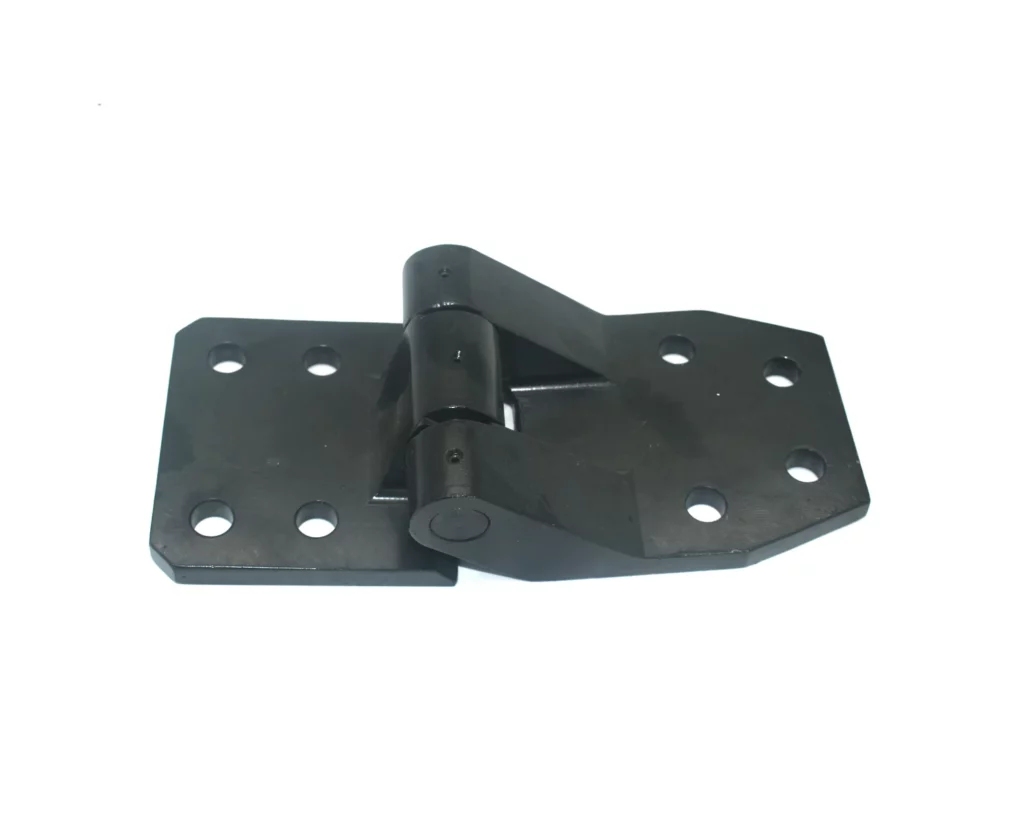
Understanding heavy duty hinges is integral for anyone involved in the installation or maintenance of heavy doors. These metal constructs are designed to sustain substantial weight while allowing for smooth operation. With their ability to endure stress and fatigue, they are particularly favoured in industrial settings and for architectural applications where security and longevity are paramount.
When choosing heavy duty hinges, load ratings play a crucial role. Load capacity is defined by the manufacturer and is crucial for determining which hinges to deploy. The weight of the door, frequency of use, and environmental considerations all contribute to the required load bearing capabilities. While some manufacturers offer hinges that hold up to 150 kg, others can support even greater weights. Assessing the door and evaluating the total weight, including any hardware or decorative elements, is the initial step in ensuring that the selected hinge can adequately bear the load over an extended period.
Beyond merely supporting weight, heavy duty hinges come in various materials, such as stainless steel, brass, and even advanced composites. Stainless steel, with its resistance to corrosion and durability, is frequently favoured for external doors, particularly in coastal environments where salt air can wreak havoc on lesser materials. Brass, on the other hand, offers aesthetic appeal and is ideal for interior applications where style is paramount. The choice of material will influence not just durability but also the overall look and feel of the door, making material selection an often-overlooked detail that warrants careful consideration.
One observation often made about heavy duty hinges is their bulkier profile when compared to standard hinges. Aesthetically, this bulk may both intrigue and deter depending on the designed environment. Their robust nature, while necessary for performance, does alter the door’s appearance. Many architects and designers, however, have embraced this feature, integrating it into the overall design narrative of a space, subtly highlighting the strength and solidity of a structure. This interplay between visibility and concealment, style and function, makes heavy duty hinges a subject of fascination within architectural design.
Installation of heavy duty hinges requires meticulous attention to detail. Unlike standard hinges, heavy duty variants necessitate precise alignment and a solid framework to anchor them securely. Any misalignment can lead to undue stress on the hinges, potentially compromising both the hinge and the door over time. Therefore, proper installation should be conducted with a level and measurement tools to ensure that the door hangs perfectly, aligning with both aesthetic and functional expectations.
In preparation for installation, one must select the appropriate hardware that accompanies the heavy duty hinges. This includes not only screws but also additional reinforcement elements, such as back plates or bracket supports, particularly for larger doors. These reinforcements are essential in distributing the load effectively across the door frame and ensuring that the hinges remain firmly anchored, ultimately extending their lifespan.
When securing hinges to the door, pre-drilling holes is advised to avoid splitting the wood or damaging the metal. This is particularly crucial when working with hardwood or composite doors. Furthermore, utilising matching screws is vital to maintain both structural integrity and visual cohesion. The wrong screw type can lead to corrosion or incompatibility, undermining the overall investment in heavy duty hardware.
While it may seem straightforward, the complexities of hinge operation form an intriguing aspect of their functionality. Heavy duty hinges are engineered with numerous pivot points that mitigate stress, ensuring a seamless opening and closing mechanism. The design often incorporates features such as concealed bearings or lubrication systems that reduce friction between the moving parts. Some high-end models even offer self-closing capabilities or integrated dampeners to control the speed of closure, a thoughtful addition for high-traffic areas where slamming doors can pose a hazard.
Maintenance of heavy duty hinges is another essential consideration. Regular inspections should be part of the routine to ensure that no rust, wear, or misalignment occurs over time. Depending on the environment, lubrication might be necessary to keep hinges operating smoothly, particularly in outdoor settings where elements can accelerate wear and tear. Utilizing a silicone-based lubricant can be beneficial, as it repels moisture and does not attract dirt, ensuring longevity and functionality.
In conclusion, the fascination surrounding heavy duty hinges extends beyond their utilitarian purpose. They represent a convergence of engineering, aesthetics, and functionality in architectural design. Understanding their load ratings and installation intricacies can empower you to make informed choices that enhance both the operability and visual appeal of heavy doors. The meticulous selection and proper installation of heavy duty hinges ensures not only the enduring performance of a door but also contributes to the overarching narrative of strength and design within any given space.
FAQ
What are heavy duty hinges?
Heavy duty hinges are robust hinges designed to support the weight of heavy doors while ensuring smooth operation.
How do I choose the right heavy duty hinge?
Consider the load rating, material, and installation requirements specific to your door’s weight and usage.
What materials are heavy duty hinges made from?
They are commonly made from stainless steel, brass, or advanced composites, each offering different benefits.
How do I install heavy duty hinges?
Ensure precise alignment and use appropriate hardware, including screws and reinforcement elements, for secure installation.
How do I maintain heavy duty hinges?
Regular inspections and lubrication are essential to ensure longevity and smooth operation, especially in outdoor settings.
FAQ
What are heavy duty hinges?
Heavy duty hinges are robust hinges designed to support the weight of heavy doors while ensuring smooth operation.
How do I choose the right heavy duty hinge?
Consider the load rating, material, and installation requirements specific to your door’s weight and usage.
What materials are heavy duty hinges made from?
They are commonly made from stainless steel, brass, or advanced composites, each offering different benefits.
How do I install heavy duty hinges?
Ensure precise alignment and use appropriate hardware, including screws and reinforcement elements, for secure installation.
How do I maintain heavy duty hinges?
Regular inspections and lubrication are essential to ensure longevity and smooth operation, especially in outdoor settings.




Leave a Reply