Short Answer
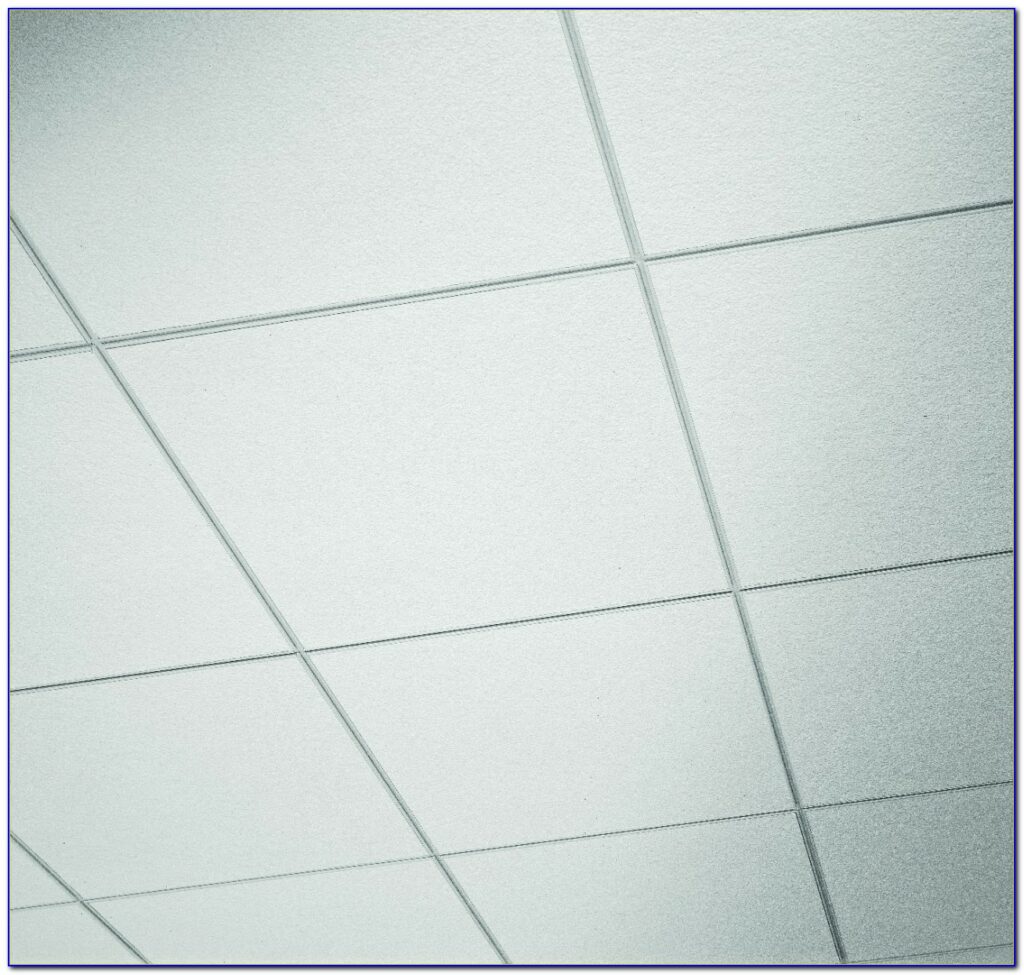
In the intricate tapestry of architectural safety, fire rated ceiling tiles stand as a formidable barrier, akin to an unyielding knight defending against the elemental forces of conflagration. The primary objective of these tiles is to provide not only aesthetic enhancement but also a critical safeguard for both occupants and property. In this comprehensive exploration, we shall delve into the nuances of fire rated ceiling tiles, examining their safety standards, various types, and a meticulous installation guide that will weave together a narrative of safety and sophistication.
Understanding Fire Rated Ceiling Tiles
First, it is essential to comprehend what fire rated ceiling tiles are. They are specially designed ceiling materials that are engineered to withstand high temperatures and limit the spread of flames, thus providing crucial time for evacuation and minimising damage to property. The concept of fire rating encapsulates a measurement of time – typically expressed in minutes, such as 30, 60, or even 90 minutes – that a material can withstand a fire. This invaluable characteristic can mean the difference between safety and catastrophe.
Safety Standards Governing Fire Rated Ceiling Tiles
The landscape of fire safety is governed by stringent standards, which vary across regions yet are founded on common principles. In the UK, compliance with codes such as the Building Regulations 2010 and relevant sections of British Standards (BS) is paramount. These regulations dictate how materials should perform in the event of a fire, categorising ceiling tiles based on their level of fire resistance. An intrinsic part of these assessments is the use of rigorous testing methods, such as the British Standard BS 476, which evaluates the fire resistance of construction materials and structures.
Moreover, the European Classification system, defined by the standard EN 13501-1, offers a broader perspective by categorising materials into classes ranging from A1 (non-combustible) to F (combustible). Understanding these classifications empowers designers and builders to make informed choices, ensuring that their projects not only meet legal obligations but also enhance the overall safety profile of a building.
Types of Fire Rated Ceiling Tiles
Fire rated ceiling tiles come in several forms, each tailored to specific requirements. Here, we explore the notable varieties:
- Mineral Fibre Ceiling Tiles: Composed predominantly of mineral-based materials, these tiles are revered for their fire resistance and sound absorption properties. They are a cost-effective option, often used in commercial buildings. Their robust structure makes them particularly adept at slowing the progress of flames.
- Gypsum Ceiling Tiles: Gypsum is a natural mineral that has inherent fire-resistant qualities. Gypsum ceiling tiles can provide high ratings due to their ability to absorb heat and release moisture. These tiles not only offer functional benefits but can also introduce an element of aesthetic versatility, available in various designs and finishes.
- Steel Ceiling Tiles: For environments where fire risks are exacerbated, steel tiles present an impressive option. Non-combustible and exceptionally durable, these tiles offer excellent fire resistance. Their sleek, industrial aesthetic can contribute to modern architectural designs, creating an appealing juxtaposition of safety and style.
- Acoustic Ceiling Tiles: When sound control meets fire safety, acoustic ceiling tiles surface as a compelling choice. While primarily designed to improve acoustics, many modern variants retain commendable fire ratings, ensuring that noise reduction does not come at the expense of safety.
The Installation Process
The installation of fire rated ceiling tiles, while achievable with diligence and attention to detail, requires adherence to specific protocols for optimal safety and performance. The following steps serve as a guide to ensure proper installation:
- Preparation: Begin by assessing the space where the tiles will be installed. Verify that the framework is sound and free from any moisture-related damage. Clear the area to facilitate an organized installation process.
- Measure and Mark: Accurate measurements are paramount. Mark the ceiling layout with a clear reference point for grid installation. This meticulous step ensures that your tiles will fit seamlessly, enhancing both aesthetic appeal and functionality.
- Install the Grid: Using the marks as a guide, install the suspended grid framework. This grid is crucial for supporting the weight of the tiles while allowing for necessary structural adjustments. Ensure that it is horizontally level and securely anchored.
- Tile Placement: Begin placing the fire rated tiles into the grid. Work methodically, ensuring that each tile is fully seated and locked into place. Take care to inspect the tiles for any damage or defects before installation.
- Sealing Joints: After all tiles are installed, seal any joints or seams as recommended by the manufacturer. This step enhances the overall fire resistance and aesthetic quality of the ceiling.
- Final Inspection: Conduct a thorough inspection of the completed installation. Ensure that everything is aligned, secure, and meets all necessary fire safety codes. A final quality check can spare future headaches and ensure compliance.
Conclusion
Fire rated ceiling tiles encapsulate a vital blend of artistry and engineering, standing at the intersection of aesthetics and safety. As the unsung heroes of the contemporary built environment, their role in fire safety is indispensable. Understanding their types, safety standards, and the installation process equips architects, builders, and homeowners with the knowledge necessary to safeguard lives and property against the ravages of fire. Encasing your space with these protective barriers does not merely reflect a commitment to safety; it embodies a broader philosophy of conscientious design and responsible stewardship of our environments.
FAQ
What are fire rated ceiling tiles?
Fire rated ceiling tiles are specially designed materials that can withstand high temperatures and limit the spread of flames, providing crucial time for evacuation.
What safety standards apply to fire rated ceiling tiles?
Safety standards vary by region but often include compliance with national building regulations and testing methods such as the British Standard BS 476.
What types of fire rated ceiling tiles are available?
Common types include mineral fibre ceiling tiles, gypsum ceiling tiles, steel ceiling tiles, and acoustic ceiling tiles, each offering unique benefits.
How do you install fire rated ceiling tiles?
Installation involves preparation, accurate measuring, grid installation, tile placement, sealing joints, and conducting a final inspection.
Leave a Reply