Short Answer
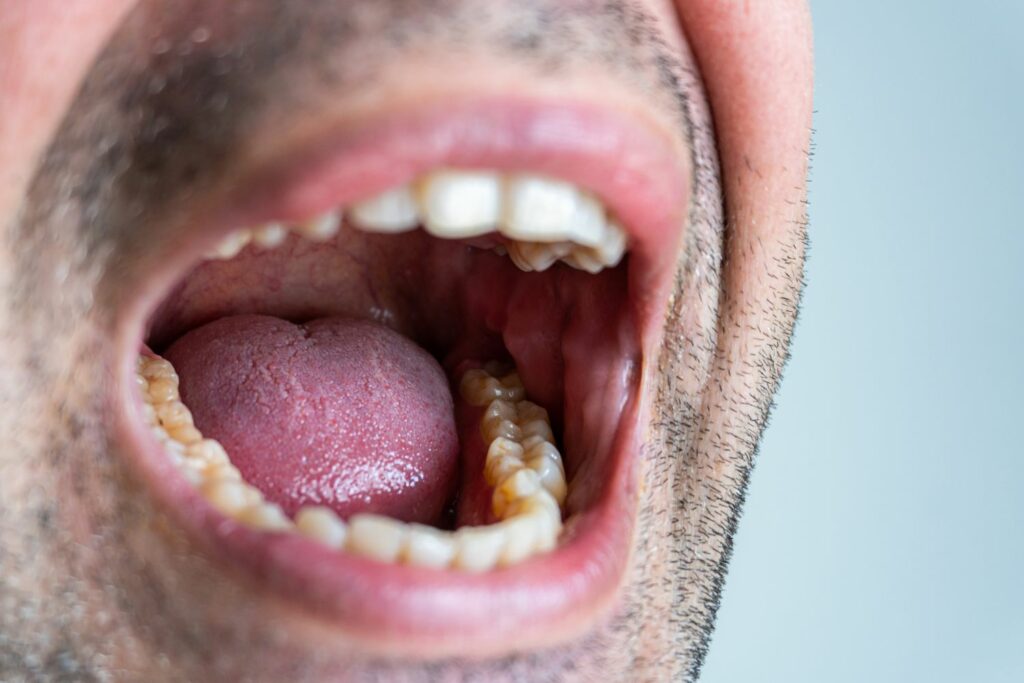
The roof of the mouth, or palate, serves an essential role in our physiology, forming the upper boundary of the oral cavity. Occasionally, individuals may observe a yellowish hue appearing on this surface, which can prompt a cascade of questions concerning its origins and implications. This distinct change in coloration can elicit concern, drawing attention not only for its aesthetic impact but also for the potential underlying health issues it may signify. This article delves into the causes, symptoms, and the critical moments when one should consult a healthcare professional regarding the yellow roof of the mouth.
Understanding the Anatomy of the Mouth
To adequately appreciate the significance of a yellow roof of the mouth, one must first understand its anatomical structure. The palate consists of two main components: the hard palate at the front, which provides a rigid barrier, and the soft palate at the back, which is more flexible and aids in swallowing and speech. This region is also home to various mucous membranes that play a vital role in protecting against pathogens while contributing to the oral microbiome’s intricacies.
Common Causes of Yellow Discolouration
Several factors can contribute to a yellow roof of the mouth. Some causes are benign and result from common conditions, while others may necessitate medical attention:
- Oral Thrush: A yeast infection caused by Candida species, oral thrush often manifests as thick, creamy white patches. Occasionally, the tissue beneath these lesions may appear yellow as the infection progresses, leading to inflammation and discomfort.
- Jaundice: This medical condition arises from an accumulation of bilirubin in the bloodstream, often due to liver dysfunction. In such cases, the yellowing may not only affect the skin and eyes but also extend to the oral mucosa, including the roof of the mouth.
- Stomatitis: Inflammation of the mucous lining within the mouth, stomatitis can result from various irritants, including allergens, infections, or certain medications. The affected areas may present a yellowish tint due to inflammation and ulceration processes.
- Smoking and Tobacco Use: The habitual use of tobacco products can lead to discolouration of the oral tissues, including a yellow canopy on the roof of the mouth. This is largely due to the tar and nicotine content, which can stain mucosal surfaces.
- Dietary Factors: Certain foods and beverages—particularly those high in pigments such as turmeric or those containing artificial colouring—can leave a yellowish residue on the palate, especially in individuals who engage in poor oral hygiene practices.
Associated Symptoms
A yellow roof of the mouth often does not exist in isolation and may be accompanied by a variety of symptoms. These manifestations can provide valuable insights as to the underlying cause:
- Pain or Discomfort: Individuals may experience soreness, particularly if the yellow discolouration is associated with infections like oral thrush or stomatitis.
- Bad Breath: Foul odour emanating from the mouth often accompanies oral infections and poor dental hygiene. This can indicate the presence of bacteria or fungal organisms on the mucosal surfaces.
- Swelling: Inflammatory conditions may lead to noticeable swelling of the palate, which can further exacerbate discomfort during activities such as eating or swallowing.
- Changes in Taste: Alterations in the palate’s texture and colour can affect taste perception, leading to a reduced ability to enjoy food flavours fully.
When to Seek Medical Attention
While a yellow roof of the mouth may not always be a sign of a serious health issue, certain circumstances warrant a prompt consultation with a medical professional:
- Persistent Symptoms: If the yellowing persists for more than a few days, especially alongside pain or swelling, it is crucial to seek medical advice. Early intervention can prevent potential complications.
- Severe Discomfort: Acute pain or a significant increase in discomfort while eating, drinking, or speaking should not be ignored and should prompt medical evaluation.
- Accompanying Systemic Symptoms: The presence of additional symptoms such as fever, fatigue, or unexplained weight loss could indicate a more serious underlying condition that requires immediate attention.
- Pre-existing Health Conditions: Individuals with liver diseases, diabetes, or compromised immune systems should be particularly vigilant about changes in oral health, including any yellowing of the palate.
Preventive Measures and Dental Hygiene
Maintaining optimal oral health is the first line of defence in preventing issues that can lead to a yellow roof of the mouth. Regular dental check-ups, thorough brushing and flossing, and a balanced diet contribute significantly to oral hygiene. Limiting tobacco use and being mindful of the dietary choices can also mitigate risks associated with discolouration.
Conclusion
A yellow roof of the mouth presents an intriguing glimpse into the complex interplay between oral health and overall well-being. While it can be an innocuous nuisance, it may herald more serious conditions. Vigilance, coupled with a proactive approach to dental care, empowers individuals to navigate these changes and seek appropriate medical guidance when necessary. The mouth, being a reflection of one’s health, deserves attention and proactive management to ensure not only aesthetic beauty but also long-term health and vitality.
FAQ
What does a yellow roof of the mouth indicate?
A yellow roof of the mouth can indicate various conditions, including oral thrush, jaundice, stomatitis, or dietary factors.
When should I see a doctor for a yellow roof of the mouth?
You should seek medical attention if the yellowing persists for more than a few days, is accompanied by pain, swelling, or systemic symptoms like fever.
FAQ
What does a yellow roof of the mouth indicate?
A yellow roof of the mouth can indicate various conditions, including oral thrush, jaundice, stomatitis, or dietary factors.
When should I see a doctor for a yellow roof of the mouth?
You should seek medical attention if the yellowing persists for more than a few days, is accompanied by pain, swelling, or systemic symptoms like fever.



Leave a Reply