Short Answer
The safety of ladder use is paramount, especially in environments where heights are accessed frequently. The rungs of a ladder play a critical role in ensuring stability and security for users. Understanding the standards and measurements associated with ladder rungs is fundamental for both safety and efficiency. This article delves into various aspects of ladder rungs, elucidating the types, standards, measurements, and other essential considerations.
Types of Ladder Rungs
Ladder rungs can be classified based on material, design, and configuration. Each type offers distinct characteristics that cater to specific applications.
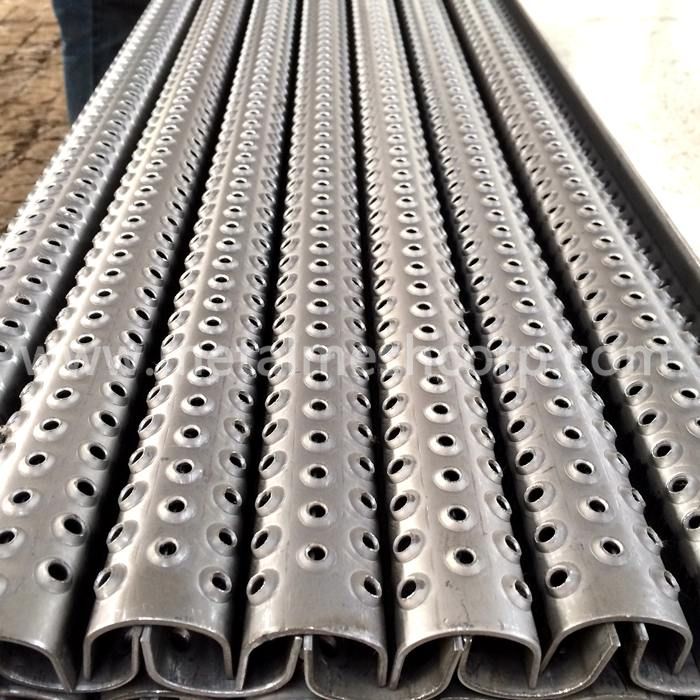
- Metal Rungs: Typically fashioned from steel or aluminium, metal rungs are renowned for their durability and strength. They are highly resistant to environmental stressors, making them an excellent choice for industrial use.
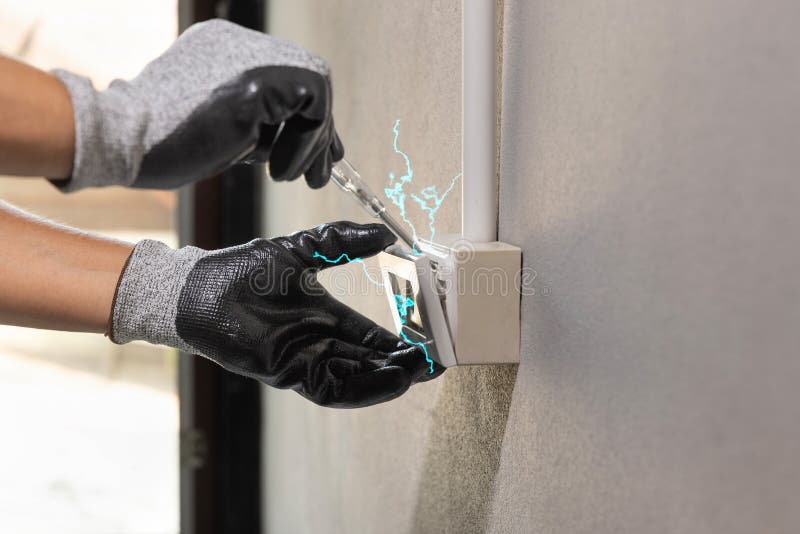
- Fibreglass Rungs: Widely adopted in electrical applications, fibreglass rungs provide excellent insulation. Their non-conductive properties make them indispensable when working near live wires, offering a crucial layer of safety.
- Wooden Rungs: Often found in traditional and household ladders, wooden rungs provide a classic aesthetic. However, they can be prone to wear and weathering, necessitating regular maintenance.
- Composite Rungs: Combining various materials, composite rungs aim to offer an optimal mix of durability and lightweight characteristics. They can resist corrosion while providing a firm grip, making them an evolutionary step in ladder design.
Design Configurations
Aside from the materials used, ladder rungs can vary in design. The shape and configuration profoundly affect comfort, grip, and overall safety.
- Flat Rungs: These are the most common and provide a stable surface for standing. Their broad surface area enhances balance and comfort, crucial during prolonged usage.
- Round Rungs: Mostly found in extension ladders, round rungs can sometimes pose a slip hazard, particularly if not well-designed. However, their lightweight nature can make them easier to handle.
- Rung Locks: Some ladders utilize a locking mechanism to secure the rungs in place, providing added safety during usage. Such mechanisms are particularly beneficial in industrial settings, where wobbling can lead to accidents.
Safety Standards: A Necessity for Compliance
Employers and DIY enthusiasts must adhere to established safety standards to mitigate risks associated with ladder use. Understanding these guidelines can significantly enhance user safety.
- International Safety Standards: Various organisations, including the American National Standards Institute (ANSI) and the Occupational Safety and Health Administration (OSHA), set forth rigorous standards concerning ladder construction, including rung strength and spacing.
- Load Capacity Standards: Ladders are categorised based on their maximum load capacity, spanning from light-duty to heavy-duty classifications. It’s crucial to select a ladder with an appropriate load rating, factoring in both the user’s weight and any additional equipment.
- Rung Spacing Requirements: Rung spacing is essential for access and egress. Standards typically dictate a spacing of 300 to 400 mm for standard ladders, ensuring users can ascend and descend safely and comfortably.
- Anti-Slip Textures: To further enhance safety, many ladder rungs incorporate anti-slip textures or materials. Relying on friction, these designs provide better grip, crucial for safe utilisation at heights.
Measurements: Precision Counts
Accurate measurements of ladder rungs ensure not only safety but also user comfort. Understanding the various metrics involved can aid in choosing the right ladder for any task.
- Rung Width: Standard rung widths typically range from 250 mm to 300 mm. This measurement ensures that users have a sufficient area for their feet while also enhancing stability.
- Rung Depth: Rung depth is also vital, usually measuring around 25 to 30 mm. A deeper rung provides a more secure foothold, particularly in outdoor usage where terrain may be unstable.
- Height from Ground: Depending on the ladder type, the height of the rungs from the ground should be within comfortable reach – not too high to cause strain, yet elevated enough for safety.
Conclusion: Prioritising Safety and Functionality
In summary, understanding the intricacies of ladder rungs—covering their types, safety standards, configurations, and precise measurements—is essential for any user. By following the outlined guidelines and adhering to safety standards, users can significantly reduce the likelihood of accidents. Choosing the right ladder, while considering the specific requirements of the task at hand, can lead to a safer and more effective working experience. Whether you are a professional tradesperson or a home DIY enthusiast, ensuring that your ladder meets all required specifications is essential for safe and efficient use.
FAQ
What materials are commonly used for ladder rungs?
Ladder rungs are commonly made from metal (steel or aluminium), fibreglass, wood, and composite materials, each suited for different safety and usage requirements.
What are the standard spacing requirements for ladder rungs?
Standard rung spacing typically ranges between 300 to 400 mm to ensure safe and comfortable access and egress.
Why are anti-slip textures important on ladder rungs?
Anti-slip textures enhance grip and reduce the risk of slipping, which is critical for safety when using ladders.
What safety standards apply to ladder rungs?
Organizations such as ANSI and OSHA set safety standards for ladder construction, including rung strength, spacing, and load capacity.
How do I choose the right ladder based on rung measurements?
Consider rung width (typically 250-300 mm), depth (around 25-30 mm), and height from ground to ensure comfort, stability, and safety for your specific task.


Leave a Reply