Short Answer
The bond between humans and their canine companions is undeniably profound, akin to the unbreakable tether of a tightly woven tapestry. In our pursuit of maintaining their health and hygiene, many pet owners seek solutions that appear both practical and effective. One such product that garners attention is Savlon, a commonly used antiseptic in many households. However, a pressing question emerges: Is Savlon safe for dogs? Delving into this topic reveals a labyrinth of considerations, encompassing its uses, potential risks, and veterinary advice.
Understanding Savlon: An Antiseptic Ally
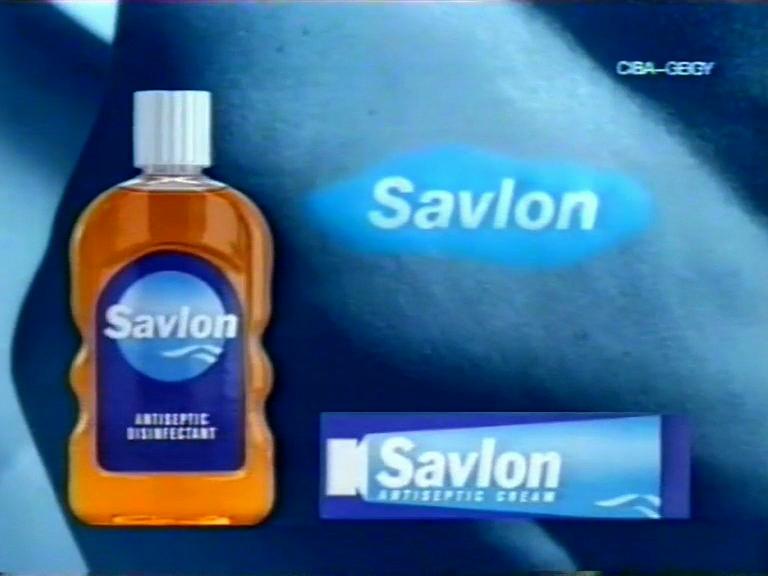
Savlon, a brand synonymous with antiseptic care, is often employed to cleanse wounds and prevent infection in humans. Featuring active ingredients such as chlorhexidine and cetrimide, it functions as a formidable adversary against harmful bacteria. The allure of its antiseptic prowess is palpable, presenting itself as a silver bullet in the battle against microbial foes. Nevertheless, while its efficacy in humans is well-documented, the question of its suitability for dogs looms large.
Canine Physiology: A Distinct World
To decipher Savlon’s safety for dogs, one must first understand the canine physiology. Dogs metabolise substances differently than humans, and their skin has unique characteristics, including a distinct pH level and barrier function. What may be benign for human epidermis can manifest as a perilous potion for furry companions. The habit of self-grooming further complicates the scenario—dogs are prone to lick any applied substances, potentially ingesting harmful chemicals.
Uses of Savlon in Canines
For minor cuts and abrasions, the judicious use of Savlon is sometimes considered by pet owners. It serves as a topical disinfectant, aiming to thwart the entry of pathogens into the vulnerable layers of skin. In instances where professional veterinary care is temporarily out of reach, Savlon can offer a semblance of reassurance. However, this practice hinges on vigilance and moderation. It is paramount that any application is conducted with meticulous care, ensuring that the affected area is minimal and the product is diluted appropriately.
The Risks of Applying Savlon on Dogs
Despite its potential benefits, one cannot overlook the inherent risks associated with using Savlon on dogs. The active ingredients, while effective in regulating bacterial proliferation, may also induce irritation or allergic reactions. Symptoms might manifest as redness, swelling, or itching—nuances that are often overlooked amidst a tempest of good intentions. Moreover, if ingested, chlorhexidine can be particularly detrimental, leading to gastrointestinal distress such as vomiting or diarrhoea. In extreme cases, it may even provoke respiratory issues.
Veterinary Perspectives: Professional Wisdom
Veterinarians typically advise caution regarding the use of human antiseptics, including Savlon, on dogs. They emphasise that the safest course of action is to utilise products specifically formulated for animal use. These veterinary antiseptics are crafted with the understanding of canine biology, ensuring that the delicate balance of their skin and digestion is duly respected. It is wise to consult with a veterinarian before initiating any treatment regimen, as they can provide bespoke advice tailored to the specific nuances of the dog’s health status.
Alternative Solutions: Opting for Pet-Safe Products
When the need for disinfection arises, pet owners are encouraged to explore alternatives specially designed for canine use. Products like antiseptic sprays or ointments formulated with natural ingredients often present a safer avenue. These solutions come devoid of the harsh chemicals found in human antiseptics, being less likely to cause irritation or adverse reactions. Furthermore, natural ingredients can offer antibacterial properties without the toxic burden of synthetic chemicals.
When to Seek Veterinary Care
In the sphere of pet care, the adage “better safe than sorry” rings particularly true. Should a dog sustain a wound, it is critical to assess its severity. Shallow scratches may warrant at-home care, while deep cuts or punctures necessitate prompt veterinary attention. Signs such as persistent bleeding, swelling, or discharge from the wound demand immediate professional evaluation. Additionally, if a dog exhibits signs of distress—like excessive licking or reluctance to use the affected limb—these are flashing signals that should not be ignored.
Conclusion: The Balancing Act
In conclusion, while Savlon may epitomise the archetype of a household antiseptic, its safety for dogs is marred with complexities. The allure of its antiseptic qualities must be weighed against the potential risks it poses to our furry friends. The unique physiology of dogs demands that pet owners exercise discretion, prioritising their health above all. Consulting with a veterinarian can illuminate the path towards effective, safe treatment options tailored to canine needs. Ultimately, nurturing the bond between human and dog is a delicate balancing act, where understanding, compassion, and informed choices intertwine to forge a healthier existence together.
FAQ
Can I use Savlon on my dog's wounds?
It is sometimes used cautiously on minor wounds but not recommended due to risks; always consult a vet first.
What symptoms indicate Savlon has irritated my dog?
Look for redness, swelling, itching, vomiting, or diarrhea after application.
Are there antiseptics made specifically for dogs?
Yes, veterinary antiseptics designed for dogs are safer and formulated for their physiology.
When should I take my dog to the vet for a wound?
If the wound is deep, bleeding heavily, or shows signs of infection or if your dog is distressed.



Leave a Reply