Short Answer
In the realm of carpentry and home improvement, measuring a door latch stands as a critical yet often overlooked task—a task that whispers the alluring secrets of precision and accuracy. Much like a skilled watchmaker meticulously crafting a timepiece, understanding how to measure a door latch correctly is essential to ensuring seamless functionality and aesthetic harmony. A miscalculated measurement can lead to a cacophony of misalignments and headaches. Here, we delve into the intricacies of this rather simple yet pivotal craft, guiding you through each step as if you were about to compose a sonnet for your doorway.
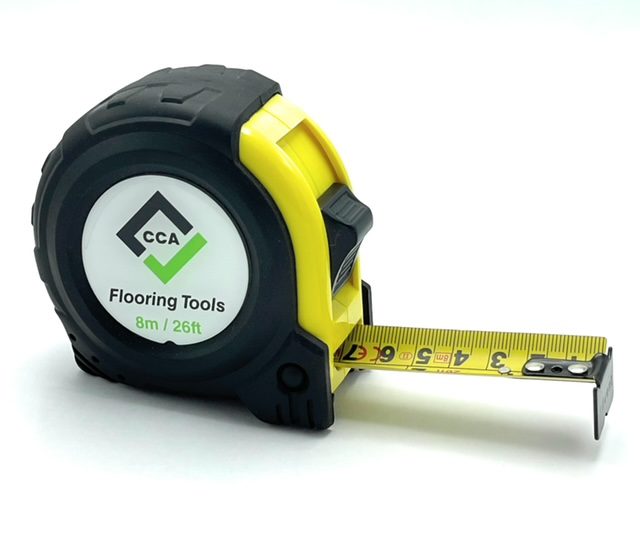
This endeavour begins with the right tools, akin to a painter selecting the finest brushes. Armed with a tape measure, a notepad, a pencil, and possibly a screwdriver, you’ll be poised to translate your doorway’s dimensions into tangible results. Each tool plays a role in this intricate ballet.
First, let’s consider the overall door dimensions. Stand before your door as if you were approaching a majestic castle gate. Measure the height and width of the door itself, as these dimensions can inform the style and size of the latch required. Note down the details, for a true artisan never lets memory erase the strokes of inspiration.
Now, direct your attention to the backset measurement, which is the distance from the edge of the door to the centre of the latch hole. Think of this as the bridge that connects the heart of your latch to the grandeur of the door. Typically, backsets are about 2.5 inches (63mm) for modern latches, however, some may vary. This dimension is crucial; an incorrect backset can transform a harmonious installation into a farcical mismatch.
Once you’ve secured the backset, it’s time to measure the door thickness. This dimension varies widely and often ranges from 1.375 inches (35mm) to 2 inches (51mm). This thickness acts as the canvas onto which your latch will adhere. Adjusting accordingly ensures that your latch fits snugly, neither too shallow nor too deep. A secure installation hinges on it, both literally and figuratively.
The latch body size must not be neglected, for it houses the internal mechanisms that embolden the latch’s action. Typically, more ornate latches boast sizes frequently around 2-3/4 inches (70mm) in length, but checking the specifications is quintessential. In this measure, we glimpse the inner workings of functionality intertwined beautifully with design.
Next, the spindle hole dimension beckons. This is the portal through which the spindle passes to connect the handle to the latch. Ideally, the diameter of this hole should align perfectly with the spindle, which typically measures about 8mm to 9mm in diameter. The serenity of your door’s operation hinges on this small detail—in many ways, it’s the ‘keystone’ of your latch’s anatomy.
As we move further down the path, the elusive striker plate size must be measured. This is the plate that catches the latch bolt and secures the door shut. It should snugly align with the latch when the door is closed, serving both functionality and security. Standard dimensions typically range between 2-1/4 inches (57mm) and 2-3/4 inches (70mm) for the strike plate length. Remember, this small component carries the burden of security, akin to the guardian of your castle.
To ensure all these measurements are accurate, invest a moment in rechecking. This final verification is to measurement what an editor is to a manuscript—both refine and enhance, eliminating errors before the final cut. Compare your measurements with the manufacturer’s specifications to confirm they align. In conclusion, great artistry lies in the details.
With the measurements laid out, transitioning to the selection of the right latch invites possibilities. Options abound—deadbolts, turn latches, and mortise locks each present their unique charm and complexity. Selecting the right latch is akin to choosing the perfect accessory for an exquisite garment; it should enhance the overall appeal while fulfilling its practical role.
Installation follows next. Much like a meticulous composer or a chef, the assembly of your latch must be executed with precision and care. Follow the manufacturer’s instructions religiously, for each latch brings its peculiarities. Secure the latch in its newly created abode, ensuring all elements are aligned beautifully. The use of a level will assist in heightening the aesthetics while keeping the functionality intact.
In the final act, keenly observe the operation of your newly installed latch. Open and close the door several times—allow the mechanism to dance in harmony with its surroundings. Each click should resonate as a note of satisfaction. Make fine adjustments as necessary to ensure a seamless transition, for the door latch is not merely a component but a bridge between the outside world and the haven of your home.
As the curtain falls on this intricate yet rewarding process, remember that accuracy transcends mere measurements; it encapsulates the entire experience of crafting your private sanctuary. Just as each stroke of a brush adds depth to a painting, every precise measurement enriches the integrity of your door’s latch. An effortless functioning door is the unsung hero of home security and artistry—may yours be a masterpiece.
FAQ
What tools do I need to measure a door latch?
You’ll need a tape measure, a notepad, a pencil, and possibly a screwdriver.
What is the standard backset measurement for a door latch?
Typically, the backset measurement is about 2.5 inches (63mm) for modern latches, but it can vary.



Leave a Reply