Short Answer
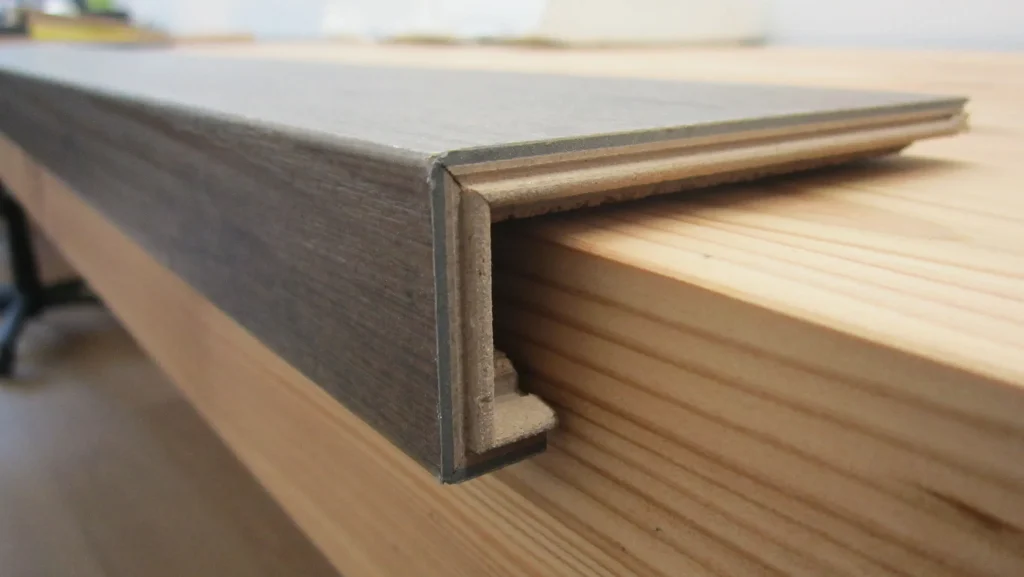
Stair nosing, an often overlooked yet crucial component of both safety and aesthetics, serves as the finishing touch to laminate flooring installations. This slender strip that adorns the edge of stairs plays an indispensable role in ensuring longevity and security, all while complementing the visual appeal of your flooring. In this exploration, we shall delve into the multifaceted aspects of stair nosing, from its significance in providing safety to the various styles available and the installation methods that can transform a mundane staircase into a paragon of elegance.
1. Safety First: The Primary Function of Stair Nosing
At the forefront of its design, stair nosing is engineered to enhance safety. It provides a defined edge that assists individuals in recognising the end of a step, thereby minimising the risk of accidents. In particular, laminate flooring, known for its sleek surface, can become perilous when wet or slippery. The textured surface of stair nosing is adept at providing better traction, reducing the likelihood of slips and falls. It accentuates the visibility of each step, serving as a tactile and visual guide for users, particularly in low-light environments.
A further layer of protection is provided by the nosing’s ability to absorb impact, preserving the edges of the laminate flooring from chips and damages over time. Thus, employing stair nosing not only elevates safety but also prolongs the lifespan of your stairs, making it a worthy investment.
2. Aesthetic Appeal: Styles of Stair Nosing
Beyond its practical benefits, stair nosing is available in an array of styles and materials, allowing homeowners to harmonise it with their decorative vision. Laminate stair nosing typically mirrors the design of the laminate flooring itself, offering a seamless transition from the floor to the staircase. This unification can elongate the visual space, creating an elegant continuity throughout your home.
Metal stair nosing is another popular choice, exuding modernity and industrial flair. Available in finishes such as brushed aluminium or brass, metal nosing can add a striking contrast to wooden or laminate flooring while enhancing durability. Furthermore, it is less prone to wear and tear, making it ideal for high-traffic areas.
For an even more personalised touch, one might consider custom-finished nosing options that incorporate unique patterns or colours. These bespoke designs can serve as statement pieces, drawing attention and admiration from guests. Ultimately, the choice of stair nosing style significantly impacts the overall aesthetic value of your home.
3. Materials Matter: Choosing the Right Nosing
The manufacturing material of stair nosing plays a pivotal role in its performance characteristics. Common materials include vinyl, rubber, wood, and metal, each offering distinctive advantages. Vinyl nosing, for instance, is renowned for its flexibility and resilience, making it an ideal choice for homes with children or pets, where durability is paramount.
Rubber stair nosing, on the other hand, excels in environments where moisture is an issue, such as outdoor stairs or bathhouse areas. Its intrinsic slip-resistant properties make it a preferred option in commercial settings where safety regulations are stringent. Wooden nosing harmonises beautifully with traditional décor and enhances warmth but requires regular maintenance to prevent deterioration.
4. Installation: Methods and Considerations
Alternatively, mechanical fastening, which involves screws or nails, can be employed for a more robust attachment, particularly useful in high-traffic areas. This method may require pre-drilling to avoid damaging the nosing or the substrate. It’s vital to select the appropriate fastening method based on the chosen material and the specific conditions of the installation environment.
Before installation, it’s imperative to measure the height and depth of the stairs meticulously, ensuring that the nosing fits snugly without excessive overhang. Regular inspections post-installation will aid in maintaining the stair nosing, ensuring it remains functional and aesthetically pleasing.
5. The Broader Impact: Why Invest in Stair Nosing?
Investing in stair nosing combines practicality with style, manifesting in enhanced safety, extended life of the flooring, and elevated aesthetics. Whether you are renovating or constructing a new home, stair nosing is more than just an afterthought; it is a vital element that deserves attention during the design and building phases.
The significance of choosing the right stair nosing extends beyond personal safety and aesthetic preference; it reflects an understanding of the spaces we inhabit. With the increasing focus on home safety and design, stair nosing is poised to become an essential consideration for discerning homeowners.
In the grand tapestry of home design, stair nosing embodies the intersection of function and beauty, subtly influencing how spaces are experienced. As we tread each step, let us acknowledge the artistry and engineering that work in tandem to create not just a staircase, but a safe and beautiful passage through our lives.
FAQ
What is stair nosing?
Stair nosing is a protective strip designed to cover the edge of stairs, enhancing safety and aesthetics.
Why is stair nosing important?
It improves visibility and traction, reducing the risk of slips and falls, while also protecting the flooring edges.
What materials are common for stair nosing?
Common materials include vinyl, rubber, wood, and metal, each offering unique benefits.
How do I install stair nosing?
Installation methods vary by material but generally involve securing the nosing to the stairs using adhesive or screws.
FAQ
What is stair nosing?
Stair nosing is a protective strip designed to cover the edge of stairs, enhancing safety and aesthetics.
Why is stair nosing important?
It improves visibility and traction, reducing the risk of slips and falls, while also protecting the flooring edges.
What materials are common for stair nosing?
Common materials include vinyl, rubber, wood, and metal, each offering unique benefits.
How do I install stair nosing?
Installation methods vary by material but generally involve securing the nosing to the stairs using adhesive or screws.
FAQ
What is stair nosing?
Stair nosing is a strip placed at the edge of stairs to enhance safety and aesthetics, providing a defined edge that reduces the risk of slips and falls.
What materials are used for stair nosing?
Common materials for stair nosing include vinyl, rubber, wood, and metal, each offering unique benefits for different environments.
How do you install stair nosing?
Installation methods for stair nosing can vary, but typically involve securing it with adhesive or screws, ensuring it aligns properly with the flooring.




Leave a Reply