Short Answer
When it comes to eyewear, the unassuming nose pad plays a pivotal role in both comfort and functionality. Often overlooked, these small components of glasses can transform the wearing experience, preventing discomfort and enhancing the overall aesthetic appeal. This article delves into the world of glasses nose pads, exploring their various types, the significance of proper replacement, and some tips for optimum comfort.
Understanding Glasses Nose Pads
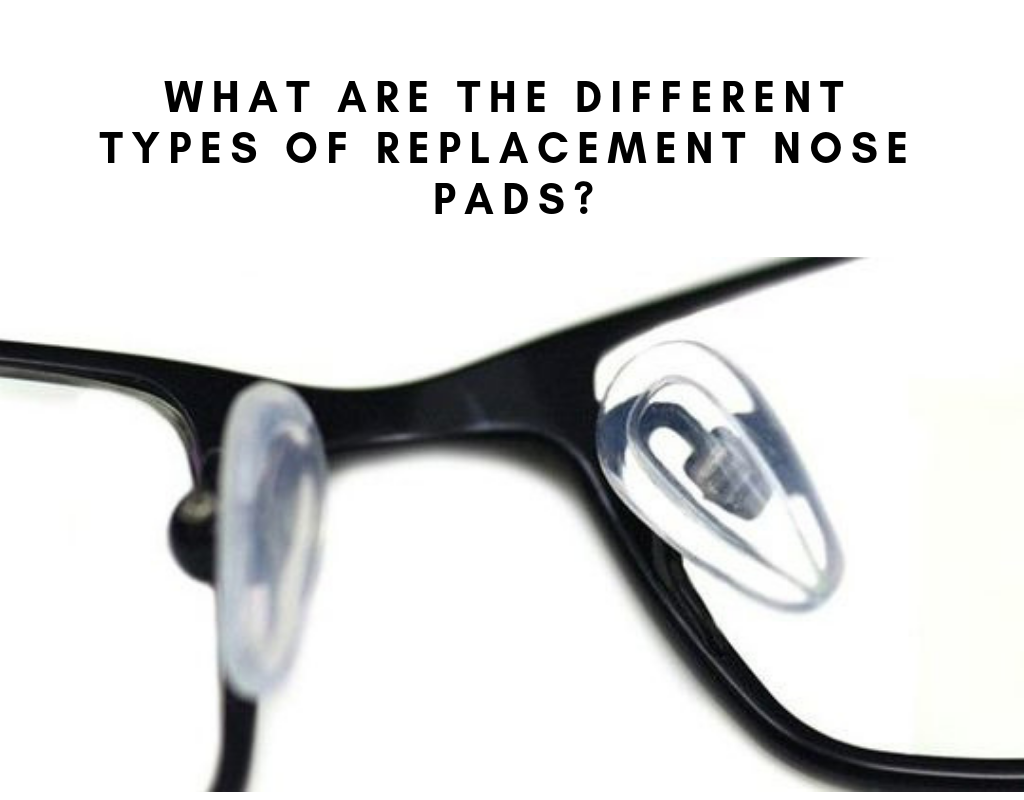
Nose pads are essential attachments on glasses that act as a buffer between the frame and the nose. They ensure that the spectacles sit comfortably on the wearer’s face while preventing them from slipping down. An improper fit can lead to discomfort, skin irritation, or even headaches, illustrating why the correct choice of nose pad is crucial.
Types of Nose Pads
Nose pads come in a variety of materials and designs, each catering to different preferences and needs. Here, we examine the most common types:
- Silicone Nose Pads: Known for their soft and cushioning properties, silicone nose pads are a favourite for many wearers. They provide excellent grip, preventing glasses from sliding, and offer a gentle touch against the skin, making them ideal for prolonged use.
- Plastic Nose Pads: Typically firmer than silicone, plastic nose pads are durable and resistant to wear. However, they may not provide as much comfort over extended periods. Ideal for those who wear glasses infrequently, they are often found on budget models.
- Metal Nose Pads: Often favoured in high-end glasses, metal nose pads lend a touch of elegance to frames. They are usually adjustable, allowing for a custom fit; however, they may not be as comfortable as their silicone counterparts.
- Custom-Moulded Nose Pads: For those with specific comfort challenges, custom-moulded nose pads may be the answer. These can be tailored to fit the unique contours of one’s nose, ensuring an unparalleled level of comfort.
- Foam Nose Pads: While less common, foam nose pads provide extra cushioning. They can be especially beneficial for certain sports or activities, absorbing shock and reducing pressure on delicate skin.
When to Replace Your Nose Pads
Signs of wear and tear can manifest in several ways. Discolouration, loss of grip, or signs of cracking signal the need for replacement. Worn-out nose pads not only compromise comfort but can also lead to improper fitting, exacerbating existing vision issues or causing new ones. Adapting a proactive approach to maintenance will ensure sustainability and satisfaction.
Replacement Techniques
Replacing nose pads is typically a straightforward procedure that can be conducted at home or through a professional optician. The first step involves identifying the type of nose pad currently in use, as each variation has its specific attachment method. Some are simply clipped in place, while others might require tiny screws. A repair kit equipped with necessary tools can facilitate this task effectively for those opting to DIY.
Comfort Tips for Nose Pads
While selecting the right type of nose pad is foundational, comfort goes beyond mere choice. Here are a few strategies to enhance your wearing experience:
- Regular Adjustments: Regular adjustments are essential to ensure that your glasses rest precisely where they should. Ill-fitting glasses can cause pressure points, leading to discomfort over time. Visiting an optician for periodic adjustments can make all the difference.
- Keep Them Clean: Dirt and oil can accumulate on nose pads, particularly those made of silicone or foam. Regular cleaning with a gentle soap solution can help maintain hygiene and improve grip.
- Consider Anti-Slip Materials: If slippage is a persistent issue, consider investing in products designed to enhance grip. Anti-slip pads or coatings can be applied to both the nose pads and frames to reduce movement during wear.
- Hydrate Your Skin: Dry or sensitive skin can exacerbate discomfort. Keeping the skin on and around the nose well-hydrated may alleviate irritation and improve overall comfort.
Conclusion: The Unseen Importance of Nose Pads
The humble nose pad is a remarkable example of how small details can have a substantial impact on our daily comfort. Understanding the types of nose pads available, recognising the signs for replacement, and employing strategies for enhanced comfort creates a more enjoyable experience for spectacles wearers. By addressing these often-ignored accessories, you can revolutionise the way you perceive and wear eyewear. In a world where comfort is king, the significance of these unseen heroes should never be underestimated.
FAQ
What are the different types of nose pads?
Nose pads come in various types including silicone, plastic, metal, custom-moulded, and foam, each catering to different comfort and functionality needs.
How often should I replace my nose pads?
You should replace your nose pads when you notice signs of wear such as discoloration, loss of grip, or cracking.
How can I improve the comfort of my glasses?
Regular adjustments, keeping nose pads clean, using anti-slip materials, and hydrating your skin can enhance comfort.
FAQ
What are the different types of nose pads?
Nose pads come in various types including silicone, plastic, metal, custom-moulded, and foam, each catering to different comfort and functionality needs.
How often should I replace my nose pads?
You should replace your nose pads when you notice signs of wear such as discoloration, loss of grip, or cracking.
How can I improve the comfort of my glasses?
Regular adjustments, keeping nose pads clean, using anti-slip materials, and hydrating your skin can enhance comfort.


Leave a Reply