Short Answer
Art, in its myriad forms, is a portal to self-expression and creativity. Yet, before embarking on this exhilarating journey, one must first navigate the labyrinth of art supplies. For novices just starting out or seasoned artists evolving their craft, selecting the right materials is paramount. This guide promises to shift your perspective by detailing how to choose the right art supplies, unlocking your potential and enhancing your artistic endeavours.
Before you can delve into the realm of colour palettes, canvases, and brushes, it is essential to contemplate your artistic aspirations. Do you yearn to capture the essence of landscapes with watercolours or perhaps sketch intricately detailed portraits with graphite? Understanding your artistic inclination is the bedrock upon which your supply selection will be built. Each medium has its own idiosyncrasies, and this knowledge allows you to make more informed decisions.
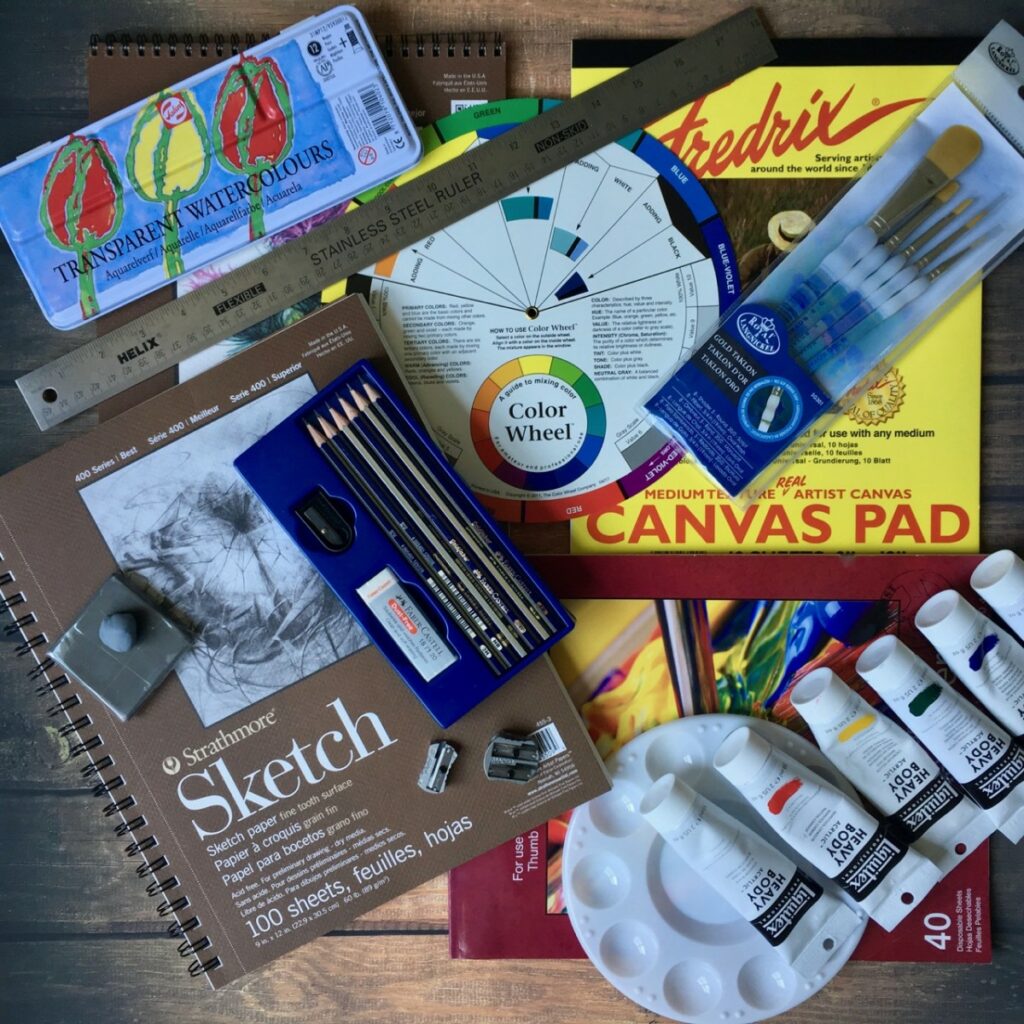
Once your creative direction becomes clear, it’s time to consider the core categories of art supplies. The primary divisions include drawing, painting, and mixed media. Each category boasts its own subcategories, materials, and tools, which cater to diverse artistic approaches. Drawing supplies, for example, encompass graphite pencils, charcoal, inks, and markers – each offering a unique texture and line quality. Conversely, painting supplies comprise oils, acrylics, watercolours, and gouache. Such distinctions invite exploration and experimentation, which are essential to developing your individual style.
The act of selecting art supplies is a delectable journey through the senses. The tactility of a brush, the smooth glide of a pencil, or the vibrant splash of paint can evoke inspiration and entice artistic endeavour. Therefore, visiting local art supply stores or crafting shops allows you to engage with the materials, enabling a multidimensional experience. When you hold a brush that feels just right in your hand, you feel an unspoken connection; when you lay your eyes upon a palette bursting with hues, you feel a rush of potential.
When evaluating specific products, consider quality over quantity. Investing in premium supplies can be more beneficial than buying a multitude of mediocre items. For instance, purchasing a handful of high-quality watercolour pencils can yield superior results compared to settling for a budget-friendly pack containing numerous inferior options. The longevity, vibrancy, and workability of quality materials foster confidence in your artistic practice, allowing your skill to shine.
Moreover, it is prudent to explore brands that are renowned for their craftsmanship. Consider names such as Winsor & Newton for colours, Staedtler for graphite, or Faber-Castell for premium pencils. While many reputable brands cater to a wide range of budgets, understanding price versus quality is essential. The allure of cheaper products can often be deceptive; therefore, it’s essential to conduct research, read reviews, and seek recommendations from fellow artists.
Don’t overlook essential accessories that can greatly enhance your artistic experience. A reliable sketchbook is indispensable for a beginner, serving as a canvas for experimentation and growth. Similarly, evaluation of other supplies like erasers, sharpeners, and palettes is crucial. These seemingly minor tools have a significant impact on the quality and ease of your work. Additionally, frameworks for painting, including easels and canvases, should also align with your chosen medium, as they can affect the overall mobility and outcome of your creations.
Curiosity can lead to innovation; thus, diversifying your supply collection can augment your artistic journey. Exploring different mediums introduces fresh perspectives and techniques. For instance, watercolour paints can inspire experimentation as they blend effortlessly, creating ethereal washes. Alternatively, acrylic paints allow an artist to layer and manipulate textures with ease. As your confidence grows, don’t hesitate to incorporate unconventional materials into your arsenal, such as pastels, inks, or even digital tools.
Furthermore, understanding colour theory plays a vital role in selecting paint supplies. The choices of pigments and mixing capabilities define your palette; thus, learning about complementary and analogous colours will enhance your work’s depth. Familiarising yourself with paints, brushes, and mediums designed specifically for colour mixing can enable you to produce harmonious compositions that resonate with viewers.
Patience in your selection process will lead to rewards. Art is not solely about the output; it embodies the journey of creation. Take time to reflect on your experiences with different materials, the way each impacts your mood and creativity. Staying mindful of how tools influence your work cultivates a deeper understanding and appreciation of the process. Each stroke you make tells a story, and that story begins with the decisions made long before the canvas is touched.
Ultimately, the selection of art supplies transcends mere functionality—it is about creating an environment that fuels your artistic spirit. When you feel inspired to reach for that exceptional brush or absorb the vibrancy of a chosen medium, creativity flows more freely. As you develop your skills, remember that your arsenal of art supplies can evolve alongside you. Élan and experimentation will forever be at the core of your artistic evolution.
In conclusion, choosing the right art supplies is not merely a transaction—it is an initiation into a world of potential and creativity. Embrace this process, letting it shape your identity as an artist, and forever remain curious about the materials that can transform your ideas into tangible reality.
FAQ
What are the essential art supplies for beginners?
Beginners should start with basic supplies such as a sketchbook, graphite pencils, erasers, and a few colors of paint, depending on their preferred medium.
How do I choose the right brushes for painting?
Choosing the right brushes depends on the medium you use; for example, synthetic brushes work well with acrylics, while natural hair brushes are ideal for watercolors.
Is it better to buy many inexpensive art supplies or a few high-quality ones?
Investing in a few high-quality art supplies is usually more beneficial than buying many inexpensive items, as quality materials can significantly impact your artwork.


Leave a Reply