Short Answer
When it comes to enhancing the aesthetics of your home, the exterior walls often don’t receive the attention they deserve. Imagine strolling through a neighbourhood where each house appears to be in a state of disrepair, with cracked and peeling paint. Now, picture your own domicile, resplendent in contemporary elegance, standing out with vibrant wall tile cladding. How can you capture that image? What challenges may arise during the installation process? This article will explore modern designs of external wall tile cladding and provide essential tips to facilitate a successful installation.
Firstly, it’s important to understand the myriad options available in exterior wall cladding. The materials utilised range from classic ceramic and porcelain to more avant-garde choices like glass mosaic tiles and natural stone. Each material echoes a distinct character, thereby influencing the overall visual appeal of your property.
1. Popular Materials for Exterior Wall Tile Cladding
Ceramic tiles remain a staple choice, renowned for their flexibility in design and colour. Available in an extensive palette, they can mimic the look of natural stone or timber, permitting homeowners to achieve their desired aesthetic without the associated costs. Alternatively, porcelain necessitates less maintenance and demonstrates superior durability in extreme weather conditions.
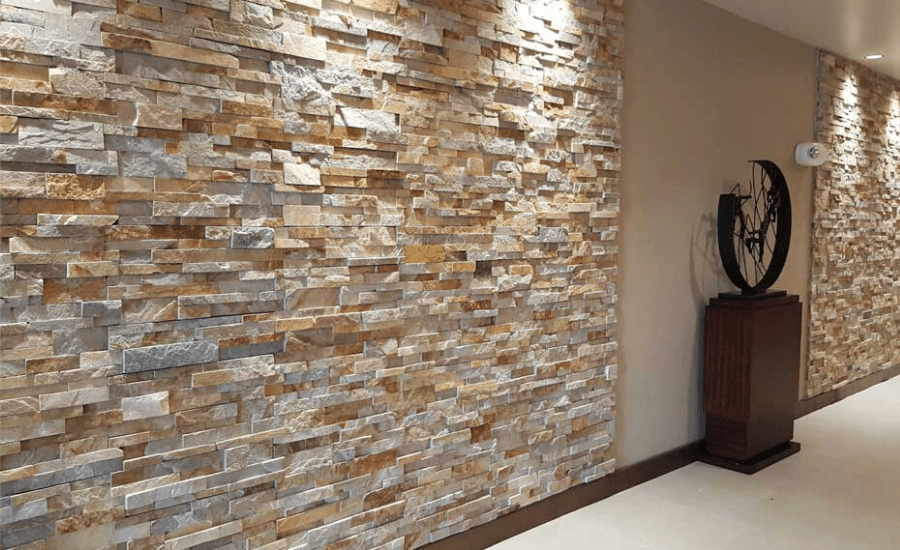
Glass mosaic tiles are a fabulous option if you’re seeking something that adds a touch of sophistication. They come in an array of shimmering colours that can play beautifully with light, creating a dynamic interplay of shadows and hues. Natural stone, such as slate or limestone, brings a rustic charm, infusing your home with an organic, earthy feel.
2. Key Considerations for Choosing Tiles
Selecting the right tiles entails evaluating several factors. The first is climate. Homes situated in tropical climates may require tiles that can endure humidity, while properties in colder regions need materials resistant to freezing temperatures. Next is texture; rough-surfaced tiles are ideal for homes that need a tactile quality, yet be cautious as they may demand additional cleaning efforts.
3. Modern Design Trends
The design of the wall cladding can profoundly affect your home’s exterior visage. One contemporary trend involves the juxtaposition of different materials or finishes. Think of incorporating sleek horizontal wooden slats alongside textured stone tiles—creating a visual dialogue between softness and sturdiness.
Another inspiring design approach is the use of large format tiles. These expansive tiles can create a seamless facade, offering the illusion of greater space and fewer lines, thus making your home appear more open and inviting. Patterns―grids, stripes, or geometric shapes―can also impart a modern edge, inviting curiosity and engagement.
4. Installation Preparations
Navigating the installation process may seem daunting, yet with meticulous planning, it can be executed smoothly. First, ensure that the walls are adequately prepared. This usually means cleaning the surface and repairing any damages to ensure a flat and stable foundation for your tiles.
Next, consider moisture barriers, especially in regions prone to high humidity. Integrating a waterproof membrane can prevent moisture accumulation behind the tiles, which can lead to structural issues over time. Don’t overlook ventilation; proper airflow can mitigate these problems, enhancing the longevity of your installation.
5. Installation Techniques
When it comes to the actual installation of exterior wall cladding, there are a few methodologies to consider. The thin-set method—a popular choice—utilises a mortar bed to adhere tiles directly to the substrate. This method is particularly advantageous for ceramic and porcelain tiles.
Alternatively, for those seeking a more structured approach, the use of a rail system might be preferable. This allows for greater precision and can be easier for large format tiles. The key is to ensure that tiles are level during installation; a slight misalignment can disrupt the overall aesthetic.
6. Grouting and Finishing Touches
Once your tiles are securely adhered, the next step is grouting. This procedure not only completes the look but also shields the edges of the tiles from moisture. Choose a grout that complements your tile choice, as the colour can significantly impact the final outcome. A contrasting grout may enhance the geometric pattern, while a cohesive colour can yield a unified appearance.
After grouting, it’s prudent to seal your tiles, particularly if they are porous. A good sealer acts as a protective agent, resisting stains and extending the life of your tiles. Regular maintenance is also crucial; a simple wash with mild soap will suffice to keep your exterior walls looking immaculate.
7. Common Challenges and Solutions
Even with proper planning, challenges can arise during installation. One of the most common issues is uneven walls. In such cases, utilising backer boards can create a smoother surface to which tiles can adhere. Another potential problem is tile breakage during installation. Keeping a few extra tiles on hand can mitigate this risk and ensure consistency in your designs.
Ultimately, embracing exterior wall tile cladding can transform your home into a modern masterpiece. As you navigate the journey of selection and installation, remember to marvel at the potential of your walls. Will yours become a canvas of creativity, weathering the elements while reflecting your personal style?
FAQ
What are the best materials for exterior wall tile cladding?
Popular materials include ceramic, porcelain, glass mosaic, and natural stone, each offering distinct aesthetic and durability benefits.
What are common challenges during tile installation?
Common challenges include uneven walls and tile breakage, which can be mitigated by careful planning and having extra tiles on hand.
FAQ
What are the best materials for exterior wall tile cladding?
Popular materials include ceramic, porcelain, glass mosaic, and natural stone, each offering distinct aesthetic and durability benefits.
What are common challenges during tile installation?
Common challenges include uneven walls and tile breakage, which can be mitigated by careful planning and having extra tiles on hand.
FAQ
What are the best materials for exterior wall tile cladding?
Popular materials include ceramic, porcelain, glass mosaic, and natural stone, each offering distinct aesthetic and durability benefits.
What are common challenges during tile installation?
Common challenges include uneven walls and tile breakage, which can be mitigated by careful planning and having extra tiles on hand.
Leave a Reply