Short Answer
Overview
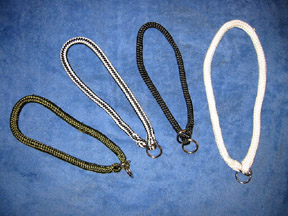
Slip collars, also known as choke chains or training collars, are a type of dog collar designed to tighten around a dog’s neck when tension is applied to the leash. They are typically made from metal links or nylon and form a loop that slides freely over the dog’s head. The purpose of a slip collar is to provide a training aid that discourages pulling or unwanted behavior by applying brief pressure around the neck, which releases when the dog complies. Proper use involves fitting the collar correctly and using it as a training tool rather than a punishment device.
History / Background
The use of slip collars dates back several decades as part of traditional dog training methods. Historically, they evolved from the need for effective control over working or hunting dogs, where quick responsiveness was essential. Early forms of slip collars were often metal chains, valued for their durability and ability to apply pressure evenly. Over time, trainers experimented with different materials and designs to improve comfort and control. Despite the advent of harnesses and other humane training collars, slip collars remain widely used in some training circles due to their simplicity and immediate feedback mechanism.
Importance and Impact
Slip collars play a significant role in dog training by providing handlers with a tool to correct behavior such as pulling, lunging, or excessive barking. When used appropriately, they can facilitate faster learning by delivering consistent, clear signals to the dog. However, their impact depends heavily on the handler’s knowledge and skill, as improper use can cause physical injury or psychological stress to the dog. The debate over slip collars has influenced broader discussions about animal welfare and ethical training practices, encouraging the development of alternative collars and training methods.
Why It Matters
For dog owners and trainers, understanding slip collars is important to ensure the well-being of the animal while achieving training goals. Proper sizing and safe use prevent injury, making the training process effective and humane. As awareness of animal welfare grows, knowing when and how to use slip collars responsibly helps owners make informed decisions about their dog’s training regimen. Additionally, knowledge of alternative tools and methods can complement or replace slip collars where appropriate, promoting better outcomes for both pets and handlers.
Common Misconceptions
Slip collars cause harm and should never be used.
When used correctly and fitted properly, slip collars can be a safe training aid. However, misuse or improper fit can cause injury, so education and caution are essential.
Slip collars automatically control aggressive dogs.
Slip collars are not designed to manage aggression and should not replace professional behavior modification techniques or tools specifically intended for aggressive behavior.
All slip collars are the same and fit every dog.
Slip collars come in various sizes and materials and must be chosen based on the dog’s neck size, breed, and training needs to ensure effectiveness and safety.
FAQ
How do I properly size a slip collar for my dog?
The slip collar should be sized so that it sits high on the dog's neck, just behind the ears, and when slipped over the head, it tightens but does not choke the dog. Typically, the collar is adjusted so that when the loop is tightened, it reduces to about half the original size of the loop. It is important to measure your dog's neck circumference and consult manufacturer sizing guides.
Are slip collars safe for all dog breeds?
Slip collars can be used safely on many breeds when properly fitted and used with care. However, they may not be suitable for dogs with respiratory issues, very small or delicate breeds, or dogs prone to neck injuries. Consulting a veterinarian or professional trainer before use is advisable.
What are the alternatives to slip collars for training?
Alternatives include martingale collars, which tighten slightly but prevent choking; harnesses, which distribute pressure over the body; and head halters, which provide control over the dog's head. Positive reinforcement training methods are also encouraged as a humane alternative to correction-based tools.


Leave a Reply