Short Answer
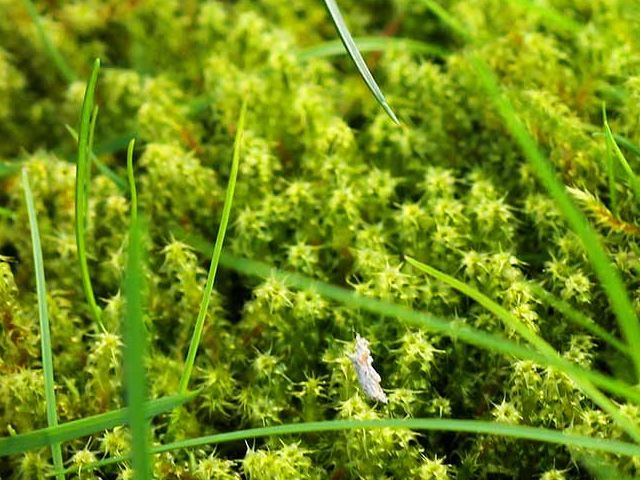
Moss on tarmac can be a vexing issue for homeowners and property managers alike. Its tenacity is unmatched, thriving in damp, shaded environments and creating not only an unsightly appearance but also potential safety hazards by making the surface slippery. Instead of resorting to harsh commercial chemicals that may be harmful to your health and the environment, why not explore the world of homemade solutions? Unveil a natural approach to overcoming this green nuisance with effective yet simple concoctions. Here’s a comprehensive guide to crafting homemade moss killers for tarmac that are both safe and powerful.
Understanding the Moss Phenomenon
Before embarking on the quest to eradicate moss, it’s imperative to understand its characteristics. Moss thrives in conditions that are cool, moist, and shaded. It reproduces through spores, which means that without intervention, it can quickly regrow, establishing itself in any viable habitat. The presence of moss not only diminishes the aesthetic appeal of your spaces but can also lead to slippery conditions that pose slipping hazards, particularly when wet.
Homemade Solutions: Top Choices for Moss Removal
Utilising common household items, we can create potent solutions to tackle moss effectively. Here are some standout recipes that promise success:
1. Vinegar Elixir
Vinegar is not just a cooking condiment; its acetic acid content makes it a formidable foe against moss. By diluting white vinegar with water in a 1:1 ratio, you create a potent solution. Spray it generously on the affected areas, ensuring to saturate the moss thoroughly. Leave it for a couple of hours for the magic to happen and then scrub away.
2. Bicarbonate of Soda Blend
Bicarbonate of soda, commonly referred to as baking soda, serves as an abrasive agent, disrupting the moss structure while being safe for the environment. Combine one cup of baking soda with two cups of water. Apply the mixture with a meticulous hand, targeting dense patches of moss. The results will be visible within a few days as the moss begins to weaken and die off.
3. Salt Solution
Salt, although often overlooked, possesses excellent desiccating properties. When mixed in a solution of two cups of salt to one gallon of water, it becomes a formidable competitor against moss. However, extreme caution is necessary when using salt; it can harm surrounding plants. Ensure to treat only the moss-affected area, rinsing any plants nearby immediately after application.
4. Oxygen Bleach Approach
Oxygen bleach stands out as an eco-friendly alternative to its chlorine counterpart. Its effectiveness lies in breaking down organic matter, ultimately killing off moss without releasing harsh chemicals. Simply mix oxygen bleach with water according to the package instructions. When applied directly to the mossy surface, it works to penetrate deeply, eliminating it at its roots.
5. Tea Tree Oil Tonic
For those who seek an aromatic approach, tea tree oil offers both a pleasant scent and powerful antifungal properties. Mix about 10 drops of tea tree oil with two cups of water, then spray it onto the tarmac. The oil not only combats the moss but also helps prevent spores from taking hold in the future. Its natural properties ensure that your approach remains environmentally friendly.
Application Techniques and Tips
Once your homemade solution is ready, application is key. Opt for dry weather to enhance the effectiveness of these treatments. Apply in the late morning when temperatures are moderate; allowing your concoction ample time to penetrate and take action. Use a spray nozzle for even coverage, or a brush for a more detailed application on stubborn spots. Regular monitoring of the affected areas is crucial, grappling with any regrowth promptly.
Post-Removal Care
After successfully eliminating moss, consider post-treatment maintenance to prevent its return. Regularly clearing debris such as leaves and twigs will reduce moisture retention in tarmac surfaces. Implementing proper drainage solutions, ensuring water doesn’t pool, will significantly mitigate future moss proliferation. A quarterly inspection of tarmac could save time and resources in the long run.
The Environmental Impact
Utilising homemade solutions presents an opportunity to care for your surroundings while tackling unwanted vegetation. Traditional chemical moss killers can leach into the soil and streams, adversely affecting local wildlife. In contrast, natural solutions minimise this risk, promoting a harmonious relationship with nature.
Conclusion: A Sustainable Choice
Transitioning from store-bought commercial solutions to homemade remedies allows you to engage with your environment dynamically and responsively. Embrace curiosity in your quest against moss, understanding that nature often provides the best answers. Armed with simple ingredients from your kitchen, you can reclaim your tarmac from unwelcome greenery while nurturing the ecosystem. By adopting these safe and effective techniques, you’ll not only improve the appearance and safety of your property but also contribute positively to the world around you.
FAQ
What is the best homemade solution for moss on tarmac?
Vinegar elixir is often considered the most effective due to its acetic acid content.
Are homemade moss killers safe for the environment?
Yes, the homemade solutions presented in the article are eco-friendly compared to commercial chemical alternatives.
How can I prevent moss from growing back?
Regular maintenance, like clearing debris and ensuring proper drainage, can help prevent moss regrowth.



Leave a Reply