Short Answer
When contemplating the transportation of groups, the coach bus stands out as a premium choice, combining comfort, capacity, and an array of layouts to suit various needs. Delving into the intricacies of seating arrangements, it’s pivotal to discern the myriad configurations available and what they mean for passengers. This guide will expound on the seating capacities typical of coach buses, the different layouts one might encounter, and the implications for travel comfort and convenience.
First and foremost, coach buses are typically designed to accommodate anywhere between 25 to 57 passengers, though some larger models can hold even more. The capacity, however, isn’t merely a reflection of numbers; it encompasses the essential considerations of space, comfort, and intended use. Whether for school trips, corporate retreats, or long-distance travel, the choice of layout plays a crucial role in providing a positive experience for all passengers.
1. Standard Seating Configuration
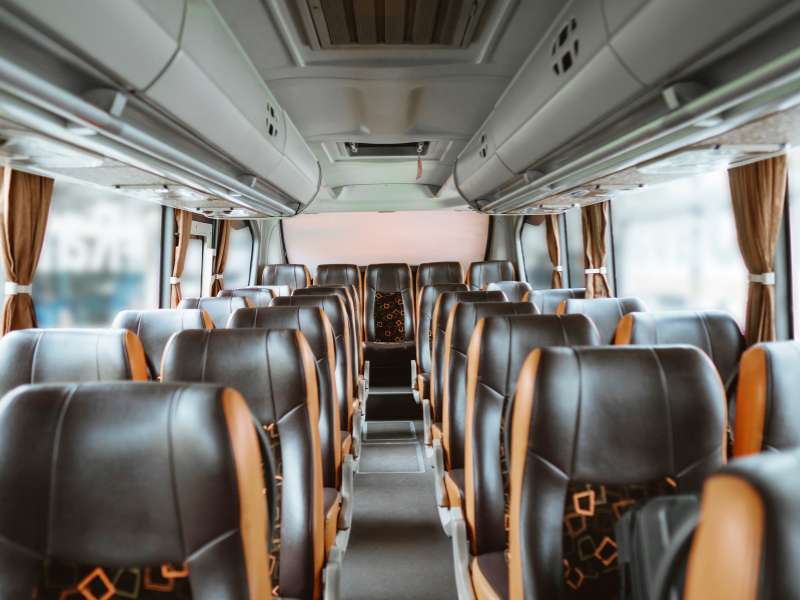
The most widely recognised seating configuration typically features a 2-2 layout, providing two seats on each side of the aisle. This arrangement often allows for up to 49 to 57 passengers, maximising capacity while still maintaining reasonable comfort. With a design focused on efficiency, this layout is commendable for short to medium-haul journeys. Passengers benefit from the relative proximity to fellow travellers while still having a clear route to the aisle for entry and exit.
2. Luxury Coach Buses
For those who seek opulence, luxury coach buses sway the scales in favour of comfort over capacity. These buses often feature a 2-1 seating arrangement, drastically reducing the number of seats to between 30 and 40, depending on the design. This luxury configuration generally includes wider seats, more legroom, and an array of amenities such as onboard restrooms, Wi-Fi, and entertainment systems. Ideal for corporate events and lengthy excursions, these coaches ensure that passengers are transported in style and comfort.
3. Executive Coaches
Executive coaches blend functionality with an air of sophistication, typically arranging 2-2 or 2-1 seating, accommodating around 20 to 40 passengers. These vehicles are outfitted with high-backed reclining seats, tables, and power outlets, creating an environment conducive to both relaxation and productivity. Such configurations are invaluable for business discerning clients who require a seamless transition from transit to a working environment, complete with all the necessary conveniences.
4. School Buses and Transit Coaches
When discussing coach buses, it’s essential not to overlook the more utilitarian counterparts, such as school buses and transit coaches. These evoke a different atmosphere, typically featuring a 3-2 seating layout designed primarily for high-density transport. Capacity can range from 40 to 72 seats, emphasising efficiency over comfort. Despite the tighter arrangements, they fulfil a crucial role in daily transport needs, providing an economical solution for large groups. These vehicles are often outfitted with minimal amenities, focusing instead on safe and reliable transit.
5. Customisable Layouts
In an era where personalisation reigns supreme, many coach bus manufacturers offer customisable layouts tailored to the specific requirements of clients. Organisations can opt for configurations that include swivel seats, lounge areas, or even the incorporation of meeting spaces for corporate clients. Such flexibility extends beyond mere seating arrangements; it also allows choices regarding day-to-day operations, ensuring the bus meets the precise demands of its intended use.
6. Accessibility Considerations
As we catalogue different seating configurations, accessibility emerges as a fundamental consideration. Many modern coach buses now incorporate areas specifically designed for passengers with reduced mobility, ensuring inclusivity in travel. These spaces often utilise a different seating layout, providing sufficient room for wheelchair manoeuvrability. Depending on the bus, this can include dedicated space that effectively reduces the overall passenger capacity while enhancing accessibility.
7. Safety and Regulations
Safety is a paramount consideration when discussing capacious vehicles like coach buses. Each layout must adhere to strict regulations ensuring passenger safety during transit. These include compliance with seatbelt laws, the structural integrity of seating arrangements, and ensuring that the weight distribution doesn’t compromise vehicle stability. Coach manufacturers frequently evaluate their designs against such standards, ensuring that luxury does not overshadow safety, strike a delicate balance that benefits both operator and passenger alike.
8. Impact of Seating Capacity on Pricing
Another pivotal aspect to consider is how seating capacity affects pricing. The more seats a coach bus houses, the lower the individual fare usually becomes. In budget-conscious scenarios, this aspect becomes critical, as groups often aim to reduce costs without compromising quality. Conversely, on luxury rides, smaller capacities often align with higher price points, reflecting the superior amenities and overall experience provided.
Conclusion: Choosing the Right Coach Bus
Ultimately, selecting the right coach bus boils down to understanding the varied needs of your group. With a plethora of seating configurations available, from the no-frills school buses to the sumptuous luxury coaches tailored for executive travel, one must consider capacity, comfort, and intended use carefully. Whether planning an extensive tour, a corporate event, or just a simple day out, knowing how many seats are on a coach bus and the implications of each layout can significantly enhance the experience for all onboard, making it a journey worth remembering.
FAQ
What is the seating capacity range of coach buses?
Coach buses typically seat between 25 to 72 passengers depending on their design and purpose.
What are common seating layouts on coach buses?
Common layouts include 2-2 for standard coaches, 2-1 for luxury coaches, and 3-2 for school and transit coaches.
Do coach buses accommodate passengers with reduced mobility?
Yes, many modern coach buses have designated accessibility areas that reduce overall seating capacity but improve inclusivity.
How does seating capacity influence the price of coach bus travel?
Higher seating capacity usually means lower cost per passenger, while luxury coaches with fewer seats tend to have higher fares.
Leave a Reply