Short Answer
No neutral smart switches have emerged as an innovative solution, particularly appealing for modern homes that embrace smart technology. However, the question of wiring compatibility poses challenges for many homeowners. This article explores the wiring issues associated with no neutral smart switches, the types of compatibility challenges faced, and practical solutions to ensure seamless installation and functionality.
Understanding No Neutral Smart Switches
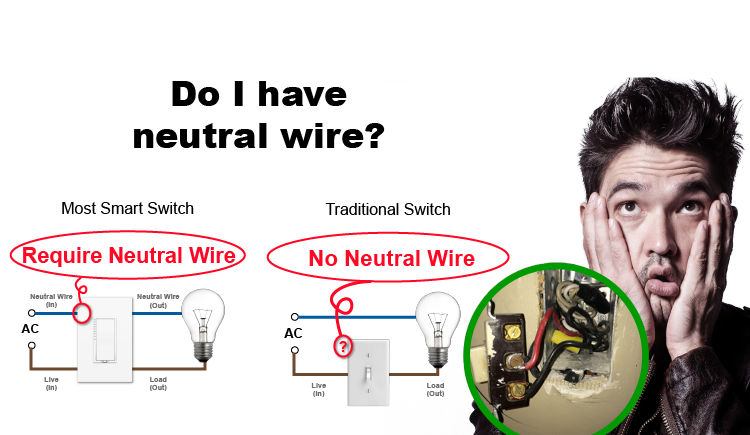
No neutral smart switches are designed specifically for environments where a neutral wire is absent. In traditional electrical systems, the neutral wire serves as a return path for electricity, ensuring safe and efficient operation of electrical devices. However, many homes—especially older constructions—do not have this wiring feature, which can complicate the incorporation of smart technology into existing electrical infrastructures.
These switches work by leveraging the existing wires, typically using a combination of the live and load wires to function effectively. They’re often equipped with advanced features such as remote control capabilities, scheduling, and integration with smart home ecosystems like Amazon Alexa and Google Assistant. However, their reliance on the live wire necessitates a comprehensive understanding of both their operation and the implications for wiring compatibility.
Wiring Issues: The Challenges Ahead
When considering the installation of no neutral smart switches, several wiring issues come into play, each presenting unique challenges. The most prevalent problem is the lack of a neutral wire, which can lead to inefficiencies and operational difficulties.
For starters, without a neutral wire, traditional smart switches may fail to function altogether. This problem arises because these switches require a consistent power source to maintain wireless connectivity and to perform smart functions. If the current is too low—in some cases, caused by load resistors—or if the switch is not designed for such low power, the device may not power on at all.
Moreover, the wiring configuration in older homes can be inconsistent. Some properties may have undergone renovations that altered original wiring, which can introduce further complexity. It’s also possible to encounter mismatches between the types of light bulbs used and the compatibility of the power demands of no neutral smart switches, particularly with LED lights, which operate differently than incandescent bulbs.
Another issue involves the installation process itself. Homeowners often underestimate the intricacy involved, particularly if they lack expertise in electrical work. The configuration must allow for precise connections that ensure the switch operates as intended without compromising safety.
Understanding Compatibility: The Technicalities
Compatibility extends beyond merely checking if a switch will fit into an electrical box; it encompasses an understanding of the entire electrical system within your home. To successfully install a no neutral smart switch, users must consider their existing setup, including:
- Wiring Layout: The configuration of live and load wires must be thoroughly understood. Picturing the electrical layout aids in diagnosing potential dilemmas.
- Lighting Technology: The type of lighting being used can greatly impact the effectiveness of a no neutral smart switch. It’s crucial to ascertain whether the lights are compatible and to select bulbs that require minimal power draw.
- Switch Ratings: Check the amperage and voltage ratings of both the existing wiring and the smart switch to ensure they can support each other. Mismatched voltages can lead to overheating or system failure.
Once these factors are assessed, homeowners can effectively select the right product tailored to their operational needs.
Solutions for Wiring Incompatibility
Addressing wiring incompatibility with no neutral smart switches requires ingenuity and a proactive approach. One prevalent solution is to use a smart switch designed specifically for no neutral configurations. Several manufacturers offer models that incorporate integrated circuitry to mitigate compatibility issues.
Another tactic is to install a bypass or dummy load resistor, creating a virtual neutral effect. This solution enables the smart switch to draw a minimal amount of power, facilitating adequate operation even in the absence of a true neutral wire. However, this approach necessitates technical know-how and caution, as incorrect installation of resistors can lead to overheating and potential fire hazards.
Hiring an electrician is a pragmatic solution. An experienced tradesperson can assess your home’s wiring comprehensively, recommending the best no neutral smart switch while also executing safe installation practices. They may find it necessary to rewire the circuit to create a neutral wire, although this can be more expensive and time-consuming.
Conclusion: Embracing Smart Solutions
In an era where technology envelops everyday life, no neutral smart switches present a compelling opportunity to modernise homes lacking certain wiring configurations. Understanding the associated wiring issues, compatibility challenges, and available solutions is vital for a seamless transition into smart home technology.
As homeowners continue to seek greater control and convenience over their living spaces, the evolution of these switches signifies a leap forward. Successfully integrating no neutral smart switches into your home not only enhances functionality but can transform the dwelling into an efficient, connected haven. Overcoming the challenges of wiring compatibility is undoubtedly a worthwhile endeavour in pursuit of a modern, smart lifestyle.
FAQ
What is a no neutral smart switch?
A no neutral smart switch is designed for homes lacking a neutral wire, allowing homeowners to use smart technology without requiring rewiring.
What are common wiring issues with no neutral smart switches?
Common issues include the absence of a neutral wire, mismatches between wiring configurations, and compatibility issues with different types of light bulbs.
What solutions are available for wiring compatibility?
Solutions include using smart switches designed for no neutral configurations, installing bypass resistors, or hiring a licensed electrician for installation.


Leave a Reply