Short Answer
When embarking on a project that requires precision engineering, have you ever paused to ponder which drill bit size perfectly aligns with your M8 tap? The interplay of dimensions might seem trivial, yet the consequences of an oversight can culminate in frustration and subpar results. As we delve deep into this tapping guide, prepare to unearth vital insights that may transform your approach to threading. This exploration aims to elucidate the intricacies of selecting the right drill bit size for M8 taps while navigating the potential pitfalls of miscalculations.
The M8 tap is designed to create threads measuring 8mm in diameter. Understanding this metric is crucial, but it’s merely the tip of the iceberg. Tapping, a fundamental process in metalwork, involves cutting threads into a pre-drilled hole, transforming it into a secure anchoring point. Selecting the appropriate drill bit not only ensures the thread is strong and reliable but also prolongs the integrity of your workpiece. So what drill bit size should accompany your M8 tap?
To initiate this journey, we must first contextualise the size and its corresponding drill bit requirements. Taps come in various standards, and the M8 is particularly popular within the metric classification. The key here is the thread pitch—M8 typically follows a standard pitch of 1.25mm. Matching this pitch with the correct drill bit size is paramount in facilitating an effortless tapping process.
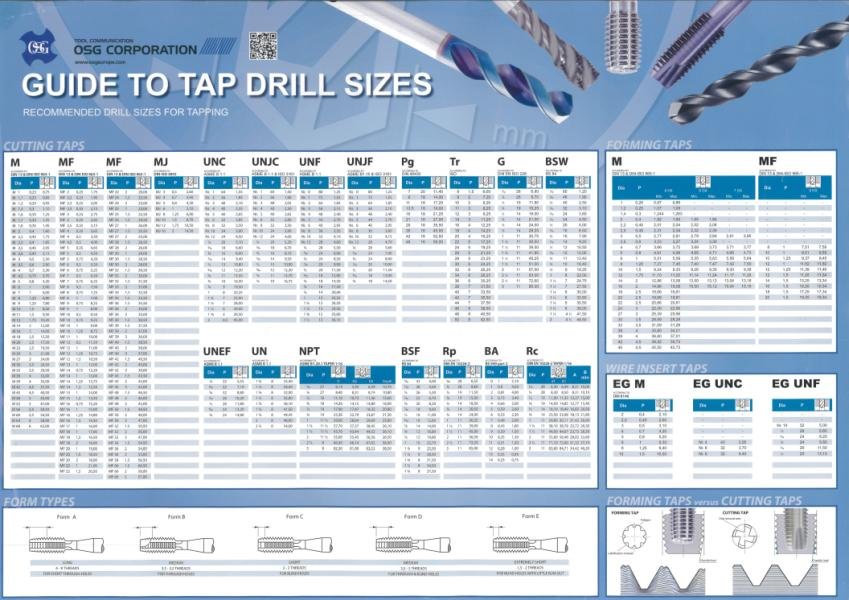
For an M8 tap, the recommended drill bit diameter is 6.8mm. This size creates an ideal clearance that accommodates the thread cutting without undue stress on the surrounding material. However, why settle for the standard when there are nuances that might boost your project’s efficacy?
Consider the material you are working with. Different materials possess varying hardness and tensile strengths that necessitate specific strategies when tapping. For instance, when working with soft metals such as aluminium, one might opt for a slightly larger drill size, such as 7.0mm. This potential adjustment accounts for the material’s pliability and ensures that the threads cut easily without tearing, which could jeopardise the stability of the threaded insert.
In contrast, harder materials like stainless steel or high-carbon steels may require a more sophisticated approach. A 6.8mm drill bit might still prove effective; however, using a drill bit made from cobalt or HSS (High-Speed Steel) can mean the difference between a clean thread and a damaged workpiece. Absorbing this knowledge is crucial—what other factors could influence your drilling success?
Furthermore, the drill type matters considerably. High-speed drilling with a twist drill bit often suffices; yet diamond-coated or carbide-tipped options present enhancements in durability and performance. These specialised bits slice through challenging materials with finesse. Venturing into these realms can elevate your craftsmanship and efficiency, ultimately delivering superior outcomes.
But the inquiry doesn’t end with the drill bit itself. Have you considered the technique? Proper drilling techniques can radically affect thread quality. A steady, consistent hand while drilling feeds the bit into the material at a suitable speed, preventing overheating and hence, thread distortion. When tapping, one must employ a tap wrench designed for the size of your M8 tap, ensuring judicious control while engaging the cutting action. You wouldn’t want to tackle this challenge haphazardly; precision is the name of the game.
Maintaining the correct drill depth is another challenge that might arise. Straying from the optimal depth can lead to issues such as material collapse or inadequate thread engagement. For M8 taps, a tapping depth of approximately 1.5 times the diameter of the thread is advisable. In practice, this translates to about 12mm for M8. Use a depth gauge or mark your drill bit to avoid breaching this threshold unwittingly.
After drilling, preparation is the next arm of the process. Ensure the hole is clean and free from any burrs. Deburring techniques using a deburring tool or a countersink bit should be employed, as jagged edges may disrupt thread integrity during the tapping process. This meticulous attention to detail is not merely an afterthought—it is integral to achieving a robust and efficient fastening.
Finally, once the drill bit has completed its task and the hole is impeccably prepared, it’s time to tap. Begin slowly, applying steady force to ensure that the tap threads engage properly. Avoid inducing excessive torque, which can result in tap breakage—a daunting challenge, considering the costs and efforts involved in rectifying such an error.
In conclusion, arming yourself with the right knowledge about the drill bit size for an M8 tap can significantly enhance your threading projects. The combination of accurate measurements, understanding of material characteristics, selection of appropriate tools, and precise techniques encapsulates the essence of skilled tapping. So, the next time you tackle a project, remember: a thorough understanding translates to not just adequate results but expertise that elevates your craft to astonishing heights. What will your next adventure in engineering entail? Dig deep into the intricacies and discover untold potentials within!
FAQ
What is the recommended drill bit size for an M8 tap?
The recommended drill bit diameter for an M8 tap is 6.8mm.
Why is drill bit size important when tapping?
The correct drill bit size ensures strong and reliable threads, preventing issues such as thread distortion or breakage.
What materials require different drill bit sizes when tapping?
Soft metals like aluminum may require a slightly larger drill bit, while harder materials like stainless steel may not.

Leave a Reply