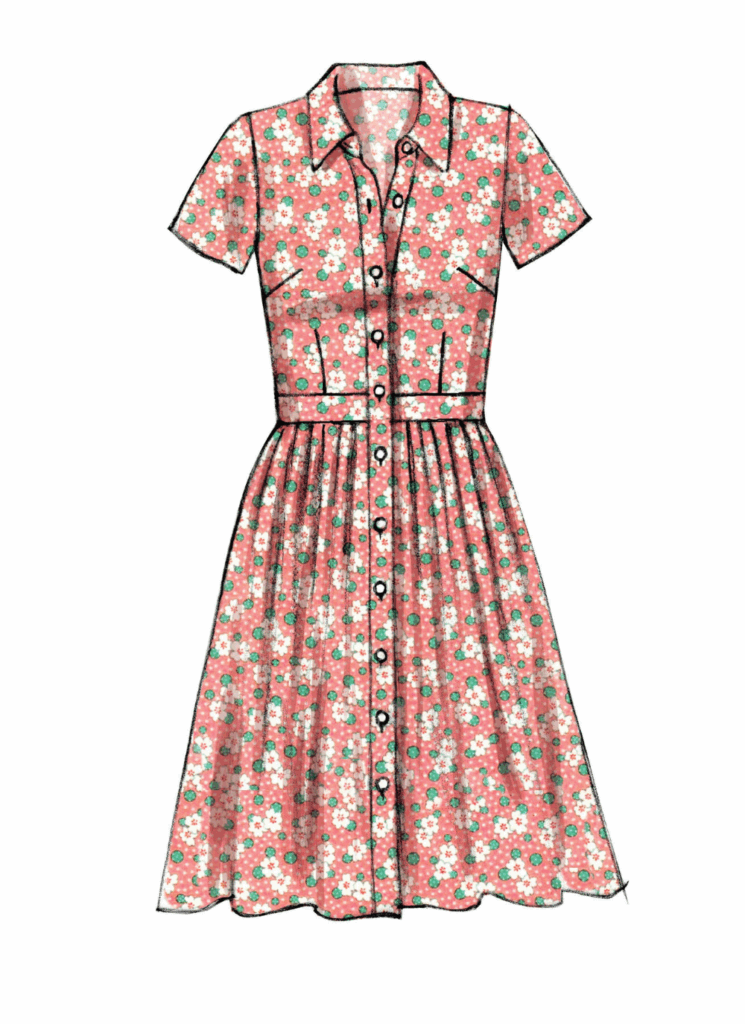
Short Answer
Sewing a shirt dress pattern is like crafting a tapestry—each stitch adds a thread to the story, weaving style, comfort, and individuality into a single garment. Unlike the complex narratives of literature, creating a shirt dress can be a wonderfully straightforward journey, an alluring foray into the world of textiles where anyone, even a novice, can thrive. This guide is designed to illuminate every corner of this enchanting process, from taking measurements to final adjustments, ensuring that your creation becomes a cherished addition to your wardrobe.
The Allure of the Shirt Dress
The shirt dress is the embodiment of versatility—its allure lies in the freedom it offers. Picture this: a piece that transitions effortlessly from morning coffee runs to evening soirées, embodying both grace and casual chic. This garment captures the essence of femininity while celebrating individuality; a canvas upon which one can paint their style through fabric choice, colour, and embellishments. But before you dive into the delightful world of fabric swatches and patterns, let’s begin with the foundational aspect of any sewing endeavour: measurements.
Getting Started with Measurements
Accurate measurements are the backbone of a well-fitted shirt dress. Picture a painter preparing their canvas; each measurement is a stroke of genius that sets the stage for what follows. To obtain the perfect fit, gather the following tools: a flexible measuring tape, a notepad, and a pen. Here are the key measurements you’ll need:
- Bust Measurement: Wrap the measuring tape around the fullest part of your bust, ensuring it is comfortably snug. This measurement is crucial for achieving the right fit at the bodice.
- Waist Measurement: Measure around the natural waistline, which is typically the narrowest part of your torso. This measurement defines the garment’s silhouette.
- Hip Measurement: Measure the fullest part of your hips, ensuring the tape is level across your body. This is essential for determining the ease of movement in your shirt dress.
- Shoulder Width: Measure from the outer edge of one shoulder to the other. This dictates how the neckline and sleeves will sit.
- Length of the Dress: Decide on the desired length of your dress—from the shoulder to your preferred hemline. This is a critical step in conveying your personal style.
Taking these measurements may seem daunting, but much like the initial brush strokes in a painting, it sets the foundation for beauty to come. Engage in this process with patience; accuracy here begets elegance in your finished garment.
Selecting the Perfect Fabric
Choosing the right fabric is akin to an artist selecting colours; each fabric will evoke different moods and styles. For a shirt dress, common fabric choices include cotton, linen, or even a soft jersey. Cotton lends itself well to structured dresses, providing breathability and ease of care, whilst linen offers an effortless, breezy appeal perfect for warmer months. Meanwhile, jersey fabric hugs the body, ideal for those seeking comfort without sacrificing style.
As you browse through a plethora of textures and hues, consider the drape of each fabric. A heavier fabric may yield a more structured dress, while a lightweight fabric will float gracefully, creating a more relaxed silhouette. Allow your imagination to flow; envision how the fabric will bend and shape with movement, and let that guide your selection.
Understanding the Pattern
Patterns are the blueprints of our sewing projects, guiding the journey from fabric to finished garment. Much like a symphony score, a pattern encompasses various elements, including cutting lines, seam allowances, and markings for darts and pockets. Each component plays a pivotal role in the overall harmony of your shirt dress.
Begin by examining the language of your pattern. It may appear cryptic at first glance, but each symbol tells a story—a whisper of what is to come. Familiarise yourself with cutting layouts, as they will dictate how your fabric is placed on the cutting table. A well-managed layout ensures optimal fabric usage and a clean project start.
Cutting the Fabric
Now, we arrive at an exhilarating phase—the act of cutting. This step requires steady hands and sharp scissors. Lay your fabric on a flat surface, ensuring it is wrinkle-free. Pin the pattern pieces securely to the fabric, taking care to align them with the grain. This meticulous preparation is akin to a sculptor selecting the perfect block of marble—each cut reveals the beauty hidden within.
As you cut along the designated lines, maintain a mindful pace. Precision is essential, as each piece contributes to the final masterpiece. Avoid rushing; allow the rhythm of your scissors to soothe your nerves, and embrace the process.
Assembling the Shirt Dress
With all pieces cut, the time has come to assemble your shirt dress—perhaps the most exhilarating part of the journey. Just as a musician brings together individual notes to form a melody, you’ll stitch the pieces of your dress together. Start by sewing the bodice, followed by attaching the skirt. Ensure that the seam allowances are consistent, akin to maintaining harmony within a song.
Incorporate elements such as darts for shaping and pockets for practicality—small but impactful details that elevate your creation. As you sew, regularly try the garment on to evaluate fit and comfort. This iterative process allows you to make necessary adjustments, enhancing the overall appeal of your design.
Finishing Touches
The last strokes of a painting are often the most dramatic, and the same holds true for sewing. After the assembly, focus on finishing touches. Hemming the dress not only enhances its appearance but also strengthens the edges, ensuring longevity. Consider adding buttons or embellishments that reflect your personality, just as an artist would add the final flourishes to a canvas.
As you fold your shirt dress for the first time, let it symbolise not just a piece of clothing but the culmination of creativity, skill, and patience. Each stitch narrates a tale of exploration and fortitude, establishing a connection between the creator and the creation.
A Garment of Personal Expression
Deciding to sew a shirt dress is an empowering venture—a celebration of self-expression. Embrace the journey and wear your creation with pride, for it holds the essence of your artistic process. As you don your beautifully crafted garment, remember: this shirt dress is not merely fabric stitched together; it is an embodiment of your creativity, a testament to your dedication, and a unique expression of your style.
FAQ
How do I take accurate measurements for a shirt dress?
Use a flexible measuring tape to measure the fullest part of your bust, natural waistline, fullest hips, shoulder width, and decide your preferred dress length.
What fabric should I choose for my shirt dress?
Choose breathable fabrics like cotton for structure, linen for a casual look, or jersey for comfort and stretch.
What is the importance of understanding sewing patterns?
Sewing patterns guide fabric cutting and assembly, including seam allowances and markings, ensuring proper fit and garment construction.
What finishing touches can I add to my shirt dress?
Consider hemming, adding buttons, and decorative embellishments to enhance appearance and durability.
Leave a Reply