Short Answer
As a devoted dog owner, you undoubtedly prioritise your furry companion’s health and well-being. Accidents can occur without warning, whether your dog is frolicking in the park or navigating the bustling streets of your neighbourhood. Having a comprehensive pet first aid kit is not just a precaution; it is an essential aspect of responsible pet ownership. This article delves into the vital components that every dog owner’s first aid kit should encompass, ensuring you are well-prepared for any unforeseen mishap.
1. Basic Medical Supplies
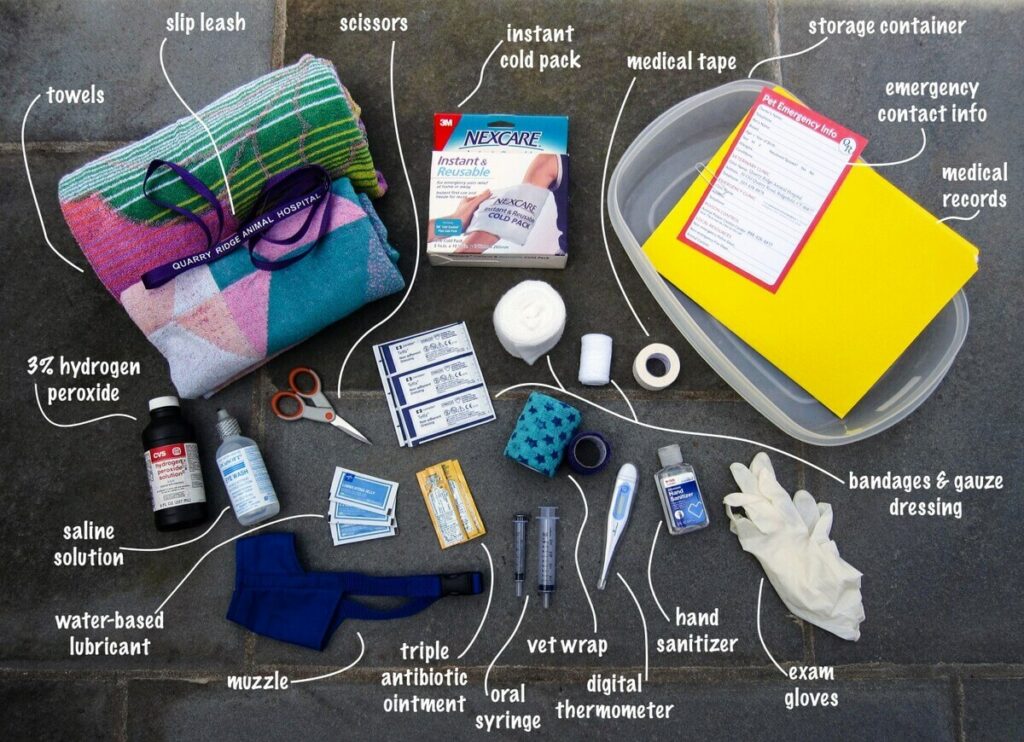
First and foremost, your dog’s first aid kit should include fundamental medical supplies. These essentials encompass:
- Adhesive Bandages: These help to cover small cuts and abrasions. Choose flexible bandages that can accommodate your dog’s movements.
- Gauze Pads and Rolls: Ideal for larger wounds, gauze can be used to absorb blood or cover extensive injuries.
- Adhesive Tape: This keeps gauze in place. Surgical tape is preferable as it’s gentle on skin.
- Scissors: Opt for blunt-ended scissors to safely trim fur away from wounds when necessary.
2. Wound Care Products
Injuries are one of the most common emergent situations. Therefore, wound care products are paramount. Key items include:
- Antiseptic Wipes: Use these to clean wounds, removing dirt and bacteria before bandaging.
- Hydrogen Peroxide: A 3% solution can be used to cleanse abrasions but should be used judiciously to avoid irritation.
- Veterinary Antiseptic Spray: This can aid in preventing infection while promoting healing.
3. First Aid Manual
A comprehensive first aid manual tailored for canines is an invaluable addition. It should cover not only minor injuries but also more serious situations such as choking, heatstroke, and allergic reactions. This guide can provide you with step-by-step instructions on how to handle various emergencies, making it an irreplaceable resource.
4. Tweezers and Tick Remover
Ticks pose a significant threat, especially in rural or wooded areas. Include fine-tipped tweezers in your kit, which can be used to safely remove ticks. A designated tick remover tool is also recommended, as it helps to ensure that the tick is extracted entirely, preventing disease transmission.
5. Temperature Thermometer
Monitoring your dog’s temperature can provide crucial insights into their health. A digital thermometer designed for pets can yield quick results. For dogs, a normal temperature ranges from 38.3°C to 39.2°C (101°F to 102.5°F). Knowing how to check your dog’s temperature can help you ascertain whether they need immediate veterinary attention.
6. Emergency Contact Information
Your first aid kit should include a list of emergency contacts, including your veterinarian’s phone number and the nearest animal hospital. In times of distress, having these details readily available can save precious time. Consider including the contact information for a 24-hour veterinary emergency service as well.
7. Treatments for Common Problems
Prepare for common health issues by including a selection of treatments in your kit. Important items to consider are:
- Antihistamines: Medications like Benadryl can help alleviate allergic reactions; consult your veterinarian for appropriate dosages.
- Activated Charcoal: This can be a lifesaver in the event of poisoning; it absorbs toxins before they’re absorbed into the bloodstream. However, it is essential to consult a vet before administering this.
- Hydration Supplements: Emergencies can induce stress and dehydration; having rehydration solutions on hand can be critical.
8. Restraint Tools
During a crisis, your dog may become frightened or agitated. Including a muzzle (if your dog is accustomed to it) and a lead in your kit can help restrain your pet safely, allowing you to administer care without risk to yourself or your dog.
9. Miscellaneous Supplies
To further equip your first aid kit, consider these additional items:
- Plastic Gloves: These should be used when treating wounds to maintain hygiene.
- Reflective Blanket: Useful for warmth and shock treatment, a foil blanket can be crucial in emergencies.
- Funnel or Syringe: Administrating medicines or fluids becomes easier with these tools.
10. Regular Maintenance
Lastly, it’s imperative to periodically check and refresh your pet’s first aid kit. Ensure that items are not expired, that bandages remain sterile, and replenish supplies that have been used. An up-to-date kit is your first line of defence against accidents and injuries.
In conclusion, by assembling a thorough pet first aid kit, you equip yourself with the resources necessary for addressing your dog’s medical emergencies effectively. Whether you encounter minor scrapes or more serious conditions, the peace of mind that comes from being prepared is invaluable. With the right tools at your disposal, you can navigate crises with confidence and care for the well-being of your beloved dog.
FAQ
What should be included in a dog first aid kit?
A dog first aid kit should include basic medical supplies, wound care products, a first aid manual, tweezers and a tick remover, a thermometer, emergency contact information, treatments for common problems, restraint tools, miscellaneous supplies, and should be regularly maintained.
How often should I check my dog's first aid kit?
You should periodically check and refresh your dog’s first aid kit to ensure that items are not expired and to replenish supplies that have been used.


Leave a Reply