Short Answer
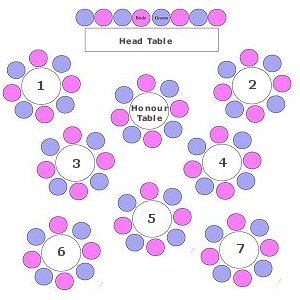
As the wedding day approaches, one of the most essential aspects that couples grapple with is the arrangement of the top table. Often perceived as the pinnacle of wedding seating arrangements, the top table carries an air of significance and grandeur. Traditionally, it serves as the focal point during the wedding breakfast and is the stage from which toasts and tributes to the newlyweds are made. But who exactly should sit at this illustrious table? In this article, we will navigate the intricate waters of wedding seating etiquette, exploring traditional roles, modern adaptations, and the subtle nuances that govern who graces the top table.
To begin, it is crucial to understand that the top table setup is more than just a physical arrangement; it is steeped in symbolism and formality. Traditionally, the top table features the bride and groom at its centre, flanked by their nearest and dearest. This placement signifies their status as the couple of honour, celebrating their union while simultaneously providing a clear visual focal point for guests. Understanding this hierarchy is essential before delving deeper into who occupies these esteemed positions.
Traditionally, directly adjacent to the bride and groom are the bride’s parents on one side and the groom’s parents on the other. This arrangement fosters a sense of unity between the two families, symbolising the merging of their lineages. The bride’s father traditionally presides on her side, often accompanied by her mother, while the groom’s parents mirror this on the opposite side. However, this age-old convention has evolved, particularly as modern marriages continue to flourish in increasingly diverse family dynamics.
As you contemplate your own top table arrangement, consider the contemporary shift towards inclusivity. If the bride or groom have stepparents, or if they wish to honour a guardian who played a pivotal role in their upbringing, seating them at the top table can help encapsulate the love and support that shaped these individuals’ lives. While tradition provides a solid framework, personal sentiment should not be overlooked; crafting a top table that feels authentic will lead to a more heartfelt celebration.

Next, let’s address the presence of the bridal party. Traditionally, the best man and maid of honour are given pride of place at the top table. They are crucial members of the wedding party, having supported the couple in the lead-up to their big day. This placement recognises their efforts and illustrates their pivotal role in this prominent occasion. However, depending on the size of the wedding, couples may choose to extend invitations to include bridesmaids and groomsmen as well. This invites a spirit of camaraderie and fellowship, allowing the wedding party to share the limelight as they celebrate together.
Furthermore, one cannot ignore the rising popularity of “unplugged” weddings, where the focus is on human connection rather than digital interference. In these instances, it is prudent to think about how the top table can serve as a beacon of engagement. The inclusion of children—as flower girls, ring bearers, or simply as younger siblings—may add an element of joy and innocence to this revered setting. Should you choose to include them, it is wise to ensure their comfort and entertainment, thus facilitating an atmosphere of enjoyment for all ages.
However, as we navigate these waters of modernity, it is also imperative to acknowledge what remains unchanged. Historically, weddings have been a celebration of family lineage and societal connections. Consequently, some couples may opt to invite extended family members, such as grandparents or significant family friends, to sit at the top table. This choice can imbue the occasion with a sense of nostalgia, honouring the contributions of those who have paved the way before them. The presence of these figures often elicits warmth and shared memories, adding layers to the fabric of the day.
Moreover, one must always consider the dynamic of the relationships involved: choosing who sits at the top table extends beyond mere titles—it is about ensuring harmonious relationships among those seated together. If there are familial tensions, care should be exercised in the arrangement to avoid uncomfortable interactions. A thoughtful approach could involve strategic seating arrangements that preserve peace while still honouring important individuals. This level of attention displays not only a dedicated effort to make everyone feel included but also a deep respect for the relationships that play a central role in the lives of both the bride and groom.
As your vision of the top table begins to take shape, you may decide to incorporate unique elements that reflect the couple’s journey, personal tastes, or shared interests. This could manifest in the form of custom signage, shared anecdotes festooned around the table, or themed centrepieces. Such details lend an air of intimacy and creativity, allowing for guests to appreciate the couple’s story through visual storytelling.
Finally, it is paramount to acknowledge the fluidity of tradition. The enforcement of strict seating rules can certainly create an air of formality, but ultimately, your top table should resonate with your values and personalities. There isn’t a one-size-fits-all solution; flexibility is the key. By merging traditional etiquette with personal narratives, you are afforded the opportunity to redefine this honourable space, allowing it to evolve alongside your unique love story.
In conclusion, the top table is a distinctive element of your wedding that embodies the essence of who you are as a couple and what your families represent. With a thoughtful approach and a commitment to honouring significant relationships, the creation of a top table that feels both personal and significant is achievable. Revel in the joy of making these decisions, for they hold the promise of an unforgettable celebration that resonantly reflects your combined journey.
FAQ
Who should sit at the top table at a wedding?
Traditionally, the bride and groom sit at the center, with their parents on either side. The bridal party, including the best man and maid of honour, may also be included.
Can I include stepparents at the top table?
Yes, modern weddings often include stepparents or guardians to reflect diverse family dynamics.
What is the importance of the top table at a wedding?
The top table serves as a focal point during the wedding breakfast, symbolizing the couple’s status and relationship with their families.
Leave a Reply