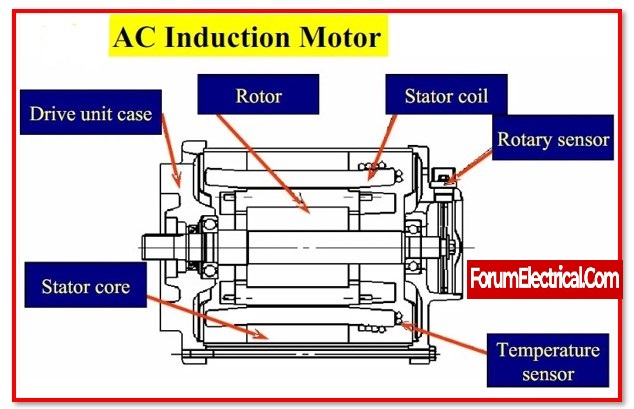
Short Answer
When it comes to electric motors, have you ever pondered the significance of using a three-phase motor over its single-phase counterpart? While both serve the fundamental purpose of converting electrical energy into mechanical energy, the three-phase electric motor offers a myriad of advantages that render it exceptionally beneficial in various applications. In this article, we delve deep into the intricacies of three-phase electric motors, exploring their advantages and the diverse applications that demonstrate their prowess.
Three-phase electric motors operate on a three-phase power supply, which consists of three alternating currents that are offset by one another. This configuration not only enhances performance but also improves efficiency in numerous ways. But before diving into their advantages, it is prudent to discuss the core principle behind three-phase motors.
The three-phase system is characterised by its ability to produce a continuous rotation magnetic field. This means that the motor can maintain a steady rotation, eliminating the need for additional starting mechanisms often required in single-phase motors. Such a design leads to smoother operation, making these motors exceptionally ideal for industrial and commercial applications.
Now, let’s explore the advantages of three-phase electric motors that set them apart from their single-phase equivalents.
1. Enhanced Efficiency
The efficiency of three-phase electric motors is significantly greater than that of single-phase motors. This heightened efficiency arises from the fact that three-phase motors draw power more consistently. The power factor, which measures the efficiency of converting electric power into useful work output, is typically higher in three-phase systems. Consequently, this minimises electricity consumption and lowers operational costs, particularly in large-scale industrial settings.
2. Smooth Operation
Three-phase electric motors also excel in providing a smoother and more stable operation. The rotational output is far more uniform, with a constant torque that results in reduced vibrations. This is crucial in precision-sensitive applications, such as manufacturing processes, where maintaining exact measurements and consistency is paramount. Moreover, the enhanced torque performance allows for more immediate and controlled acceleration.
3. Smaller Physical Size
Due to their ability to generate more power relative to their size, three-phase electric motors can be smaller and lighter than single-phase motors for the same output. This compactness is advantageous not only in terms of space-saving but also for ease of installation. For operations where space is at a premium, opting for a three-phase motor can lead to significant design advantages.
4. Durable Construction
Three-phase motors are typically constructed with greater durability in mind. The nature of their design often allows for a reduced likelihood of overheating, which translates to longer operational life. With fewer mechanical parts needing constant maintenance, users can benefit from lower maintenance costs and fewer downtime incidents over the lifespan of the motor.
5. Versatility in Applications
The applicability of three-phase electric motors spans multiple industries, showcasing their versatility. These motors are used in applications ranging from pumping systems, conveyor belts, and refrigeration units to heavy-duty machinery and industrial manufacturing processes. The consistent torque and power delivery make them the go-to choice for tasks demanding reliability and high performance.
For instance, in the manufacturing sector, three-phase motors are integral to the operation of robotic arms and assembly lines. In water treatment facilities, they drive pumps to maintain necessary flow rates while ensuring optimal pressure – essential for effective purification processes. The transport sector, too, benefits from three-phase motors, especially in electric trains where superior efficiency and reliability are paramount.
6. Cost-Effectiveness
While the initial purchase price of a three-phase motor may be higher than that of a single-phase motor, the long-term cost-effectiveness is a compelling aspect. The savings accrued from reduced energy consumption and maintenance costs can greatly offset the initial investment. For businesses looking to enhance their operational efficiencies, investing in three-phase motors becomes a financially prudent decision.
7. High Starting Torque
One of the inherent benefits of three-phase motors is their high starting torque. This characteristic is paramount for applications where motors are frequently required to start and stop rapidly. The ability to deliver substantial torque at startup ensures that machines can operate efficiently without the risk of stalling, increasing productivity rates significantly.
Challenges and Considerations
Moreover, in situations where an operation is already equipped with single-phase systems, retrofitting to a three-phase system entails additional logistics and costs, which can be daunting. However, for businesses seeking scalability and efficiency, the advantages provided by three-phase motors often far outweigh these initial challenges.
In conclusion, three-phase electric motors are an exemplary example of how technological advancements contribute to enhanced operational efficiencies across myriad sectors. With benefits including improved efficiency, durability, and versatility, they stand out as a superior choice for industrial applications. By weighing the challenges against the benefits, businesses can make informed decisions to optimise their operations, ultimately paving the way for a more efficient future.
FAQ
What is a three-phase electric motor?
A three-phase electric motor operates using three alternating currents offset in phase, producing a continuous rotating magnetic field for efficient and smooth mechanical energy conversion.
How does a three-phase motor differ from a single-phase motor?
Unlike single-phase motors, three-phase motors provide continuous rotation without additional starting mechanisms, resulting in smoother operation, higher efficiency, and greater torque.
What are common applications of three-phase electric motors?
They are commonly used in industrial manufacturing, pumping systems, conveyor belts, refrigeration units, heavy machinery, water treatment, and transportation such as electric trains.
Why are three-phase motors more efficient?
Because they draw power more consistently with a higher power factor, reducing electricity consumption and operational costs.
Are three-phase motors more cost-effective in the long run?
Yes, despite higher initial costs, their energy efficiency and lower maintenance requirements make them financially advantageous over time.
Leave a Reply