Short Answer
Understanding the legal ramifications of breaching bail conditions in the UK is crucial for anyone navigating the criminal justice system. Bail serves as a means for defendants to remain free while awaiting trial, provided they adhere to specific conditions imposed by the court. When these stipulations are disregarded, there are significant consequences that should not be underestimated.
1. Bail Conditions: An Overview
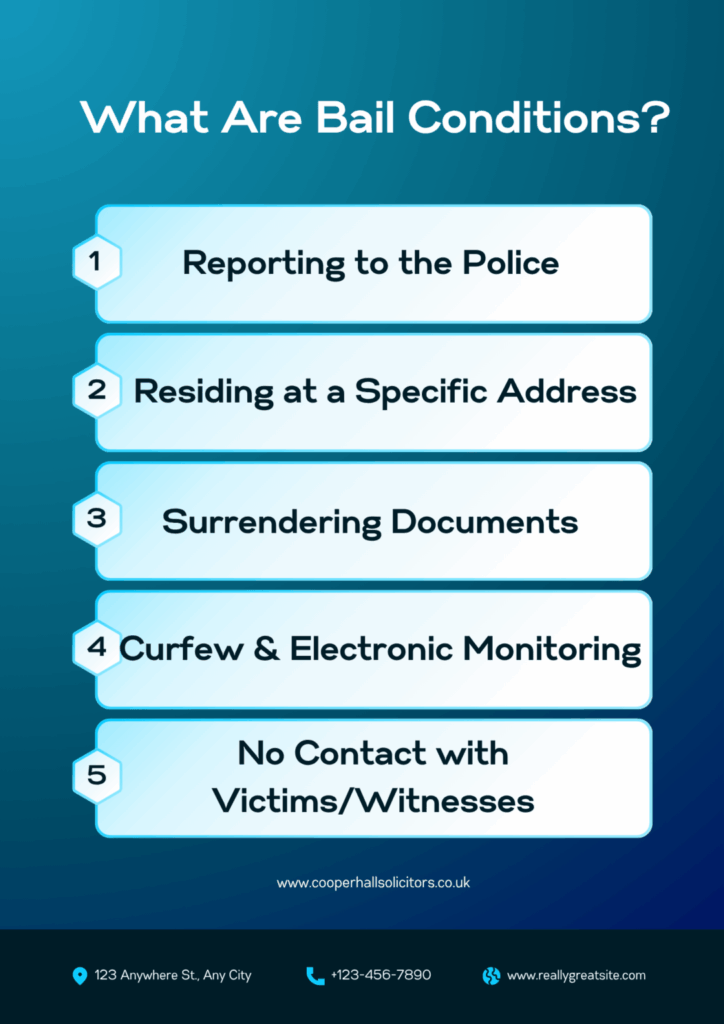
Bail conditions vary widely depending on the nature of the alleged offence, the individual’s history, and the perceived risk of reoffending or absconding. Common conditions may include restrictions on travel, the need to report to a police station at specified intervals, non-contact orders with certain individuals, or the requirement to reside at a particular address. These conditions are designed to ensure that the defendant remains engaged with the judicial process and does not pose a danger to the community.
2. Types of Bail Breaches
Breach of bail conditions can manifest in various forms. For example, a defendant might fail to report to the police as required, travel abroad without permission, or engage in associating with individuals specified by the court. Each type of breach is treated with a degree of seriousness, which influences the subsequent legal outcomes.
3. Immediate Legal Consequences
The first response to a breach of bail conditions is typically an immediate arrest. In most cases, law enforcement will apprehend the individual and bring them before a magistrate or judge. The swift nature of this action underscores the importance the legal system places on compliance with bail conditions. Upon reappearance in court, the judge will consider the circumstances surrounding the breach alongside the defendant’s previous behaviour and compliance record.
4. Escalation of Charges
In instances where the breach is deemed serious—such as a defendant being apprehended whilst committing an offence—the prosecution may seek to escalate the charge. This could result in the original case being treated with a degree of severity that escalates penalties or leads to a more serious charge being filed. Such escalation can have a compounding effect, making it imperative for defendants to understand the risks associated with any potential bail breach.
5. Legal Proceedings After a Breach
Following arrest for breaching bail, individuals will typically face a new court date. Depending on the nature of the breach, the prosecution may argue for revocation of bail, at which point the defendant would be remanded in custody until their trial. In less severe instances, the court might impose additional conditions or modify existing ones to reinforce compliance without resorting to custody.
6. Potential Penalties for Bail Breach
The penalties for breaching bail conditions can vary substantially but may include fines, further restrictions on freedom, or even imprisonment. For instance, individuals found guilty of breaching their bail conditions could face up to three months in prison or a fine of up to £5,000. The severity of the penalty often reflects both the nature of the breach and the defendant’s criminal history. Repeat offenders are likely to incur harsher penalties as the courts may perceive them as unwilling to comply with judicial orders.
7. The Importance of Legal Representation
It is paramount for defendants to seek legal representation if they find themselves facing charges of breaching bail conditions. An experienced solicitor can navigate the complexities of the legal system, advise on the best course of action, and advocate for the defendant’s rights. They can also assist in preparing a robust defence by gathering evidence that might mitigate the impact of the breach or presenting circumstances that justify the actions taken by the defendant.
8. Strategies for Compliance
To avoid the pitfalls of breaching bail conditions, it is crucial for defendants to develop strategies for compliance. Maintaining open lines of communication with legal counsel can ensure clarity regarding the stipulations set forth by the court. It may also be beneficial to engage in proactive measures, such as notifying the respective authorities if an unavoidable circumstance arises that might affect adherence to bail conditions.
9. Conclusion: The Importance of Adherence
Ultimately, the consequences of breaching bail conditions in the UK extend beyond immediate legal repercussions. The potential to compromise one’s freedom and future opportunities underscores the importance of understanding and abiding by these conditions. For defendants, navigating the complexities of the bail system requires vigilance, honesty, and an earnest commitment to compliance, not only to protect oneself legally but also to uphold the integrity of the judicial process.
FAQ
What happens if bail conditions are broken in the UK?
Breaking bail conditions usually leads to arrest, possible revocation of bail, additional charges, and penalties including fines or imprisonment.
Can bail be revoked after a breach?
Yes, the court may revoke bail, resulting in the defendant being remanded in custody until trial.
Are all breaches treated equally?
No, the seriousness of the breach affects legal outcomes; repeat or severe breaches often result in harsher penalties.
How can one avoid breaching bail conditions?
By understanding conditions fully, maintaining communication with legal counsel, and notifying authorities of unavoidable issues.
Why is legal advice important after a bail breach?
Legal advice helps defendants understand their rights, prepare defenses, and navigate court proceedings effectively.




Leave a Reply