Short Answer
In recent years, a new wave of cosmetic dentistry has swept across social media, captivating the attention of those seeking a captivating smile makeover. The phenomenon, sensationally dubbed “Turkey Teeth,” raises an alluring question: could a dental holiday in Turkey be the secret to achieving that envious smile? However, alongside this tempting allure, potential challenges lurk in the shadows, awaiting the unsuspecting traveller. Let’s delve deep into this trend, unpacking its intricacies and exposing both the enchantments and the pitfalls that accompany it.
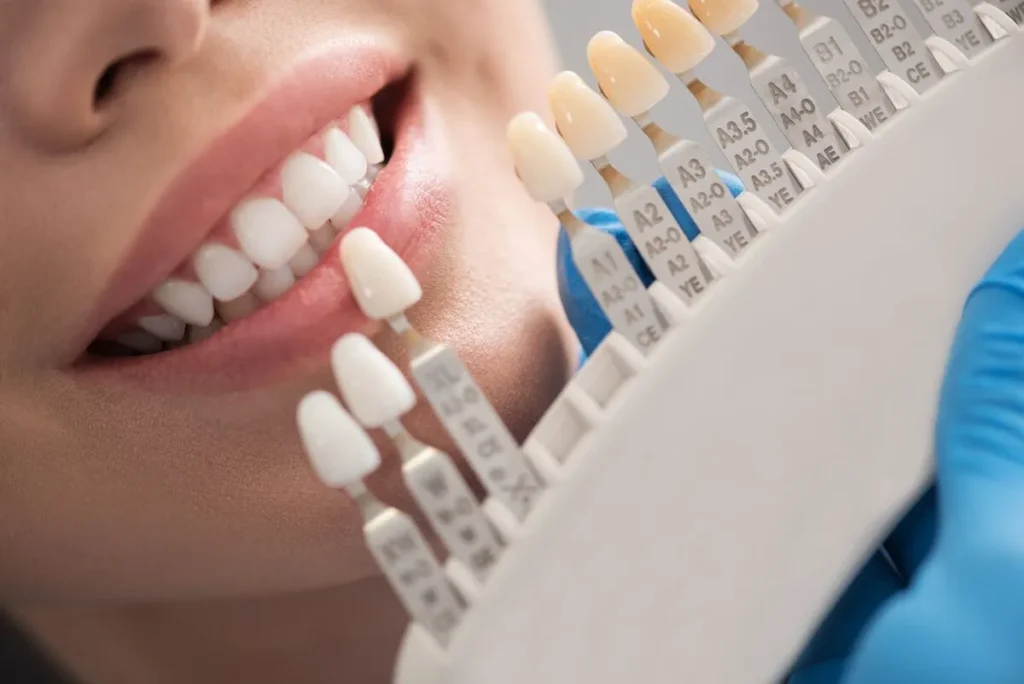
So, what exactly are Turkey Teeth? This term encapsulates the increasingly popular practice of travelling to Turkey for cosmetic dental procedures, particularly veneers and crowns. Patients, often influenced by the glitzy testimonials of social media influencers, are enticed by the promise of perfectly aligned and strikingly white teeth at a fraction of the cost compared to dental work performed in their home countries. The affordability is undoubtedly a strong selling point, yet it raises questions about quality, safety, and the ethics of overseas medical tourism.
The appeal of this phenomenon is not solely financial; it also includes the prospect of an exotic getaway paired with the transformative effects of cosmetic dentistry. Imagine basking in the Mediterranean sun, enjoying breathtaking landscapes, and simultaneously reconstructing your smile. It’s a tantalising proposition that draws many individuals into this burgeoning trend.
However, before jumping headfirst into booking that flight, consider the intricacies of the dental procedures involved. The most popular options in Turkey’s bustling dental clinics include dental veneers, crowns, and sometimes even orthodontic treatments. Veneers, thin layers of porcelain that are placed over the front of the teeth, can significantly improve appearance, masking imperfections such as discolouration and misalignment. Meanwhile, crowns entirely cover the tooth structure, providing durability and aesthetic enhancement. Each of these procedures requires precision and expertise, which cannot be compromised.
One pivotal aspect often overlooked is the necessity of a thorough medical evaluation prior to undergoing any dental procedures. Quality clinics will conduct comprehensive assessments, including imaging and oral health evaluations, to ascertain the appropriate treatment plan tailored for each individual. However, not all clinics maintain the same high standards, which poses a potential challenge for patients who, in their quest for a magnificent smile, may unknowingly select a subpar clinic where proper precautions and protocols are not adhered to. This concern is accentuated by the immense variation in professional qualifications and regulations across different countries.
Moreover, it is essential to consider the long-term implications of undergoing dental work abroad. While the upfront costs are enticing, potential complications can arise that require follow-up care or corrections. For instance, improper fitting of crowns can lead to discomfort, infections, or even tooth loss. The travel distance from Turkey to one’s home country may deter individuals from seeking timely assistance should these complications occur. This raises the spectre of unforeseen expenses, greater than the original savings.
In addition to potential physical complications, there are emotional and ethical considerations to weigh. Many individuals diving into the world of “Turkey Teeth” find themselves entangled in beauty standards propagated by social media. The transformation often sought reflects an ideal that may be unattainable, prompting individuals to scrutinise their self-worth based on appearance alone. Furthermore, the rising phenomenon of dental tourism raises questions about the ethics of exploiting lower healthcare standards in certain countries. This brings to light the moral responsibility individuals carry, as consumers of cosmetic procedures, to ensure their choices support ethical practices in healthcare.
However, if one is determined to embark on this transformative journey, several pivotal steps can help mitigate risks. First and foremost, extensive research is paramount. Investigating the credentials of the dental professionals and the reputation of the clinics you are considering is critical. Websites, reviews, and patient testimonials can provide valuable insight into the quality of care and patient satisfaction levels.
Consulting with local dental professionals before and after the trip is also advisable. A pre-emptive assessment can help establish a baseline for your dental health, while a post-procedure check-up can ensure that everything healed correctly and that you are satisfied with the results. Furthermore, asking about the materials used in the procedures, along with the longevity and maintenance of veneers or crowns, lays the groundwork for informed decision-making.
Lastly, maintaining realistic expectations throughout the entire process is vital. While stunning transformations are indeed possible, understanding that perfection is subjective can alleviate unnecessary stress and disappointment. Embrace the journey rather than focusing solely on the destination.
In conclusion, the enigmatic allure of “Turkey Teeth” points toward an intersection of cosmetic aspirations and international healthcare tourism, laden with both opportunity and risk. By navigating these waters with trepidation and diligence, individuals may yet unveil a harmonious blend of aesthetic enhancement and personal fulfilment. Ultimately, the decision to pursue a pristine smile abroad should be made with careful consideration, safeguarding both your health and your peace of mind.
FAQ
What are Turkey Teeth?
Turkey Teeth refer to the practice of traveling to Turkey for affordable cosmetic dental procedures, particularly veneers and crowns.
Why are Turkey Teeth popular?
They are popular due to the combination of lower costs compared to home countries and the allure of a vacation in Turkey.
What risks are associated with getting dental work in Turkey?
Risks include potential complications from subpar clinics, lack of follow-up care, and ethical concerns regarding healthcare standards.

Leave a Reply