Short Answer
The decision to invest in a large outdoor dog kennel is both significant and rewarding. As a responsible pet owner, creating a secure and comfortable environment for your canine companion is paramount. This guide will delve into the essential aspects of large outdoor dog kennels, including size considerations, construction materials, and practical setup tips. By the time you finish reading, you’ll be equipped with the knowledge to select the perfect kennel for your furry friend.
Understanding Size Needs
When choosing a kennel, size matters immensely. A large outdoor dog kennel is not merely a containment space; it is a sanctuary where your dog can feel safe and relaxed. To determine the appropriate size, consider the breed and size of your dog. A general rule of thumb is to ensure that your dog can stand up, turn around, and lie down comfortably.
For example, small to medium breeds may require a kennel with a minimum dimension of 4 feet by 4 feet, while larger breeds, such as Great Danes and Mastiffs, may need accommodations exceeding 10 feet by 10 feet. Moreover, consider the weight of your pet—heavier dogs may require sturdier structures that can withstand their strength and movement. Be mindful that an overly cramped space can lead to anxiety and stress in dogs, thereby negating the kennel’s purpose.
Depending on your circumstances, you may also want to plan for additional room for accessories, such as bedding, toys, and food bowls. Adequate space will promote a more positive experience for your dog.
Material Matters: Choosing the Right Construction
The materials used in constructing your kennel significantly influence its durability and suitability for your outdoor environment. There are several options available, each with its benefits:
- Wood: A classic choice, wooden kennels offer warmth and aesthetic appeal. However, they require regular maintenance, including treating and sealing to withstand weather conditions. It’s crucial to select pressure-treated wood or cedar, which is naturally resistant to moisture and pests.
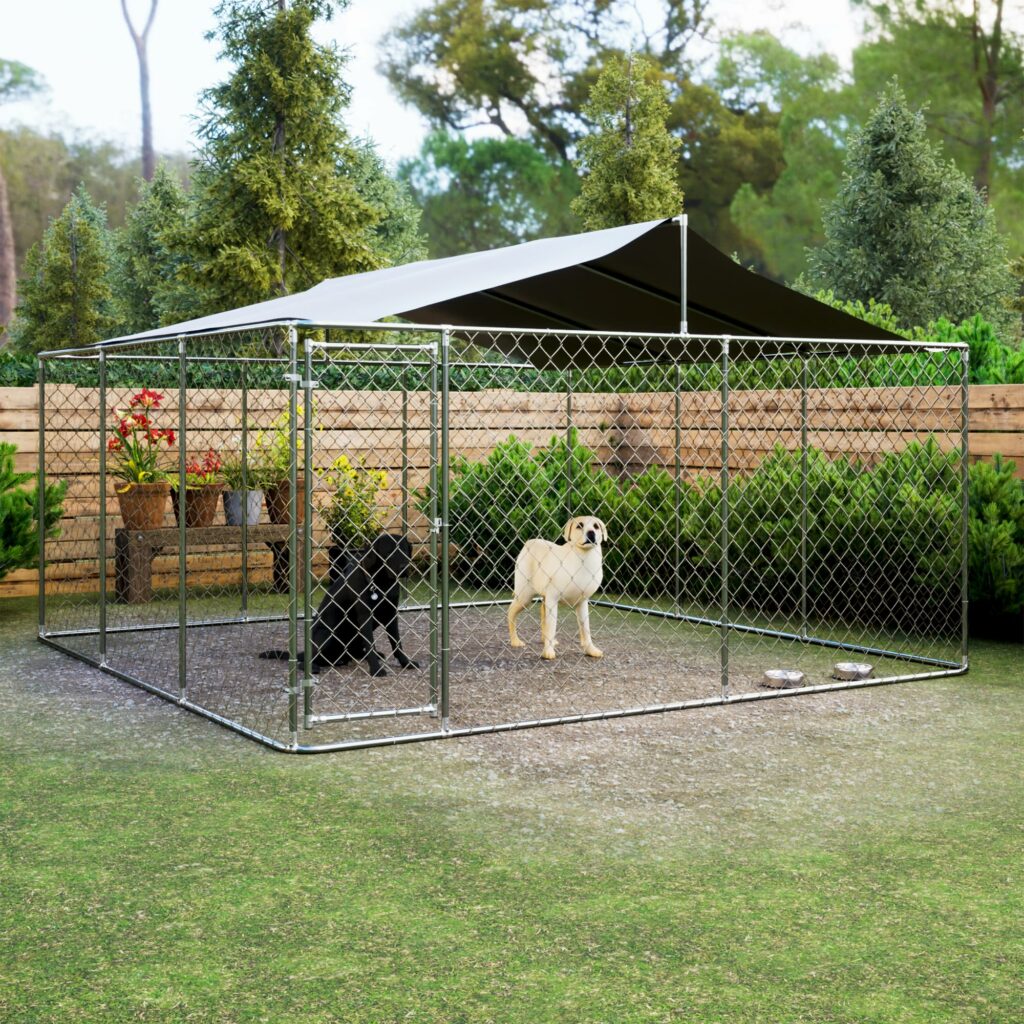
- Metal: Galvanised steel or aluminium kennels are exceptionally durable and can endure the elements more effectively than wood. They are often designed with slatted walls for ventilation and may come in combination with plastic or fabric roofing for additional shelter. These kennels are relatively low-maintenance and offer a high level of security.
- Plastic: Lightweight and easy to clean, plastic kennels are perfect for owners seeking a practical solution. However, they may not provide the same degree of insulation and may not be suitable for extreme weather conditions. Consider using them in conjunction with other materials for added comfort.
- Composite: A combination of materials, composite kennels are designed to offer the best of both worlds. They can have a wooden appearance but are made with synthetic materials that resist the elements. These kennels are often more expensive but provide excellent longevity.
When selecting the material, consider the climate in your area. For instance, insulated kennels may be necessary in colder climates, whereas proper ventilation is crucial in hotter regions.
Location, Location, Location: Setting Up Your Kennel
The placement of your outdoor dog kennel is equally vital to its effectiveness and comfort. Here are several factors to take into account when positioning your kennel:
- Sunlight and Shade: Position the kennel in an area where it will receive ample shade during the hottest part of the day. Consider the movement of the sun across the sky and place the kennel accordingly, using trees, structures, or awnings to provide natural shade.
- Ground Condition: A level, dry surface is essential for the stability and cleanliness of a kennel. Avoid low-lying areas where water may accumulate. If possible, elevate the kennel slightly off the ground using wooden planks to keep it dry and to prevent worms and insects from gaining access.
- Accessibility: Ensure the kennel is easily accessible for both you and your dog. This facilitates easy cleaning and maintenance, as well as a comfortable entry for your pet. If you plan to spend ample time in or around the kennel, position it closer to your home.
- Fencing and Security: If your dog will be spending extended periods in the kennel, ensure it is properly secured. Installing sturdy fencing around the area can provide an additional layer of protection against wildlife or potential escape attempts. Consider connecting the kennel to a run for even more space.
Personalising Your Dog’s Space
Now that you’ve selected the size, material, and location, it’s time to personalise the kennel for your dog’s enjoyment. Adding comfort features will enhance the quality of time spent in the kennel:
- Bedding: Provide a comfortable bed or mat made from pet-friendly materials. Ensure that it’s easy to clean and replace. Consider waterproof or washable options for practicality.
- Toys and Enrichment: Include chew toys and activities to keep your dog mentally stimulated. Rotating toys can help maintain their interest and prevent boredom.
- Climate Control: For extreme temperatures, consider adding insulation, heating pads, or fans, depending on the climate. A thermal dog house can provide additional warmth during winter months.
Investing in a large outdoor dog kennel involves careful consideration and planning. By understanding the size requirements, selecting suitable materials, and optimally setting up the kennel, you ensure your dog has a safe, comfortable, and enjoyable space. This secure haven allows for your pet to thrive, providing peace of mind for you as a responsible owner. Ultimately, the effort and time spent creating the perfect kennel will pay dividends in the happiness and health of your canine companion.
FAQ
How do I choose the right size for my dog’s outdoor kennel?
Ensure your dog can stand, turn around, and lie down comfortably inside the kennel. Consider breed size and weight, and provide extra space for accessories like bedding and toys.
What are the benefits of different kennel materials?
Wood offers warmth and aesthetics but needs maintenance; metal is durable and low-maintenance; plastic is lightweight but less insulated; composites combine durability with weather resistance.
Where should I place my outdoor dog kennel?
Place it on a level, dry surface with ample shade during hot hours, close enough for easy access, and secure it with fencing if needed.
How can I personalize my dog’s kennel?
Add comfortable bedding, toys for enrichment, and climate control features such as insulation or fans to improve comfort.
What maintenance does an outdoor dog kennel require?
Regular cleaning, checking for structural integrity, treating wood if used, and ensuring proper ventilation and dryness to prevent pests.

Leave a Reply