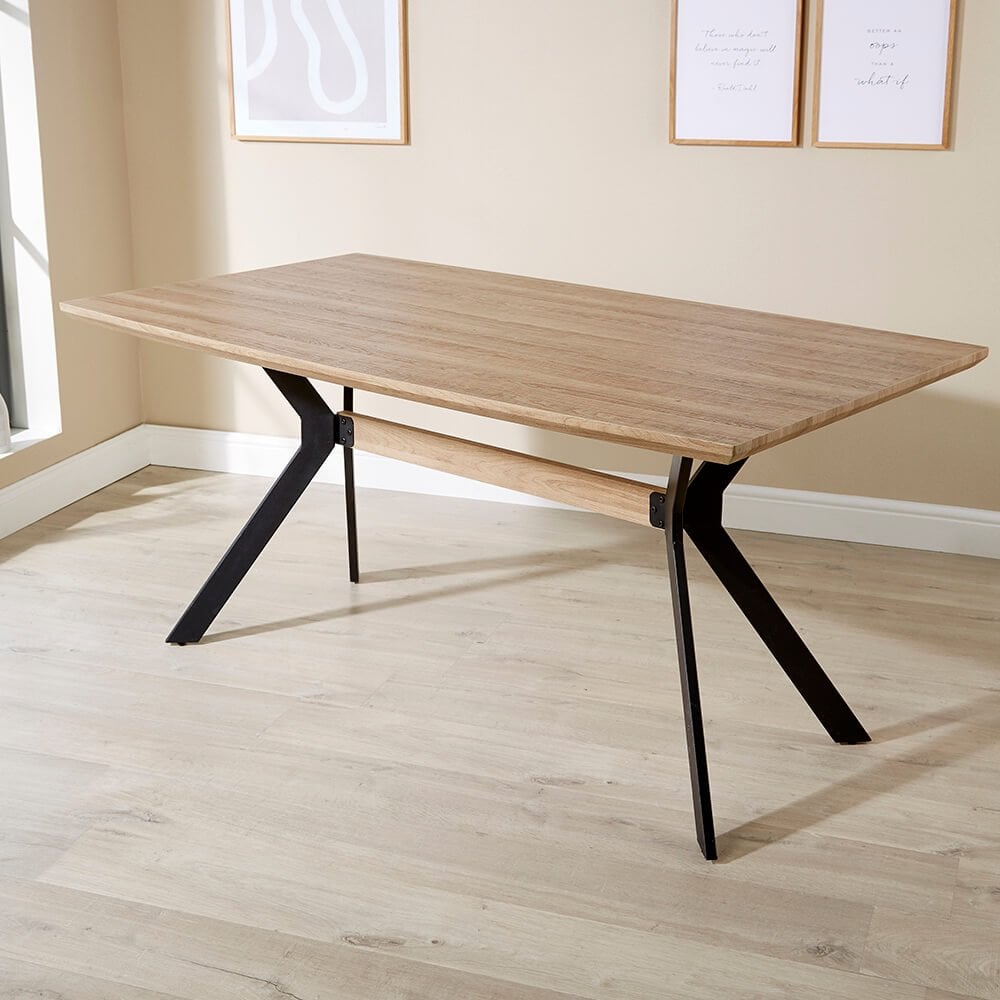
Short Answer
Metal dining table legs have surged in popularity in recent years, and for good reason. They offer a striking contrast to wooden tabletops, enhancing the aesthetic appeal of any dining space while promising durability and stability. However, as with any design choice, selecting the right metal legs demands careful consideration of styles, sizes, and even installation methods. So, how do you navigate the myriad of options available to create the perfect dining experience? This guide aims to demystify the subject, revealing essential insights to aid in your decision-making.
When contemplating metal dining table legs, one is immediately drawn to the plethora of styles available. The artistic scope is expansive, appealing to diverse tastes. Industrial styling, for example, is characterised by rugged and raw finishes, often featuring a combination of iron or steel, thus invoking an urban, minimalist vibe. Imagine a rustic warehouse aesthetic; the raw textures and decayed finishes blend seamlessly, establishing a distinct ambience.
Furthermore, if you lean towards a more modern concept, consider sleek, chrome or brushed nickel legs. These materials exude sophistication and a clean-lined appearance that can elevate any contemporary decor. Alternatively, the utilitarian style appeals to those who favour simplicity, offering functional yet aesthetic choices with straightforward designs. It’s important to ponder: do you prefer your dining area to evoke warmth and nostalgia or lean toward an avant-garde flair?
Size represents another pivotal aspect when selecting metal dining table legs. Undoubtedly, the dimensions of the legs must complement not only the table but also the surrounding space. A general rule of thumb is to maintain a clearance of between 28 to 30 inches from the floor to the tabletop. However, this guideline can vary depending on the intended use of your dining area. For instance, a dining table designated for informal gatherings may allow for a lower height, embracing a more relaxed atmosphere.
Additionally, this consideration extends to the width and depth of the legs themselves. Wider legs tend to provide enhanced stability, particularly for larger tables that will bear substantial weight. Conversely, slimmer designs offer a more elegant silhouette but may risk instability if not paired judiciously with a robust tabletop. Thus, a careful evaluation of both your table size and its anticipated usage will guide you toward the most suitable proportions.
Now, let us touch on the materials used in crafting metal dining table legs. Steel is often revered for its unparalleled strength, making it an exemplary choice for those prioritising durability. With a range of finishes available—from brushed to powder-coated—steel legs can be customised to match your desired decor. Meanwhile, aluminium offers an alternative that is lighter and resistant to rust, an ideal consideration for outdoor settings.
Transitioning from materials to the installation of metal dining table legs, the process can indeed pose challenges, especially for the uninitiated. One might wonder: how do you ensure not only a sturdy structure but also an aesthetically pleasing outcome? First and foremost, proper tools are essential; a power drill, screws, and level will serve you well. It is vital to gather your equipment before embarking on this adventurous DIY project.
Start by determining the optimal placement for your legs. In most scenarios, legs should be positioned about two to three inches in from the edges of the tabletop to maintain balance and stability. Mark the desired locations, ensuring a symmetrical layout before securing them into place. Take your time here; precision guarantees a professional finish. After drilling pilot holes, align your legs, then tighten the screws until they are secure, but refrain from overtightening, as this may lead to unnecessary damage.
Once installed, it is prudent to perform a stability test. A gentle shake of the table will reveal any wobbles or shifts. If adjustments are necessary, consider using rubber pads underneath each leg to prevent sliding and add an extra layer of stability. It’s magnificent how a few simple measures can transform a seemingly simple structure into an enduring and fashionable dining piece!
If you find this installation process daunting or cumbersome, the option of pre-made legs may alleviate some of the stress. Many retailers provide complete kits, which eliminate uncertainty and often include all the required hardware, simplifying the entire experience. However, for those who relish the satisfaction of doing it themselves, nothing quite compares to the triumph of completing an installation successfully.
So, whether you opt for striking industrial finishes, sleek modern designs, or something in between, metal dining table legs hold the potential to redefine your space. They offer unmatched durability and aesthetic versatility. As you embark on this journey, keep in mind the crucial intersection of style and practicality, and prepare to engage in a delightful yet manageable challenge. With these insights, you are now equipped to make an informed choice that will resonate throughout your dining experiences for years to come.
FAQ
What styles of metal dining table legs are available?
Metal dining table legs come in various styles including industrial, modern, and utilitarian, each offering unique aesthetic and functional benefits.
How do I choose the right size for metal dining table legs?
Consider maintaining a clearance of 28 to 30 inches from the floor to the tabletop, while also factoring in the width and depth of the legs for stability.
What materials are commonly used for metal dining table legs?
Common materials include steel for durability and aluminum for a lighter, rust-resistant option, especially suitable for outdoor use.
How do I install metal dining table legs?
Installation involves marking the optimal leg placement, drilling pilot holes, and securing the legs with screws, ensuring they are aligned and stable.


Leave a Reply