Short Answer
Ear wax, often perceived as a mere nuisance, plays an essential role in maintaining ear health, acting as a natural barrier against dust, bacteria, and foreign particles. However, like an overgrown hedge obscuring the path, excessive ear wax can lead to obstructions that require attention. Enter the ear wax cleaning syringe – a remarkable tool designed to restore clarity and comfort. This profound instrument aids in dispelling issues with finesse and precision. In this comprehensive guide, we shall explore the nuances of using an ear wax cleaning syringe safely and effectively.
Understanding the Ear Wax Cleaning Syringe
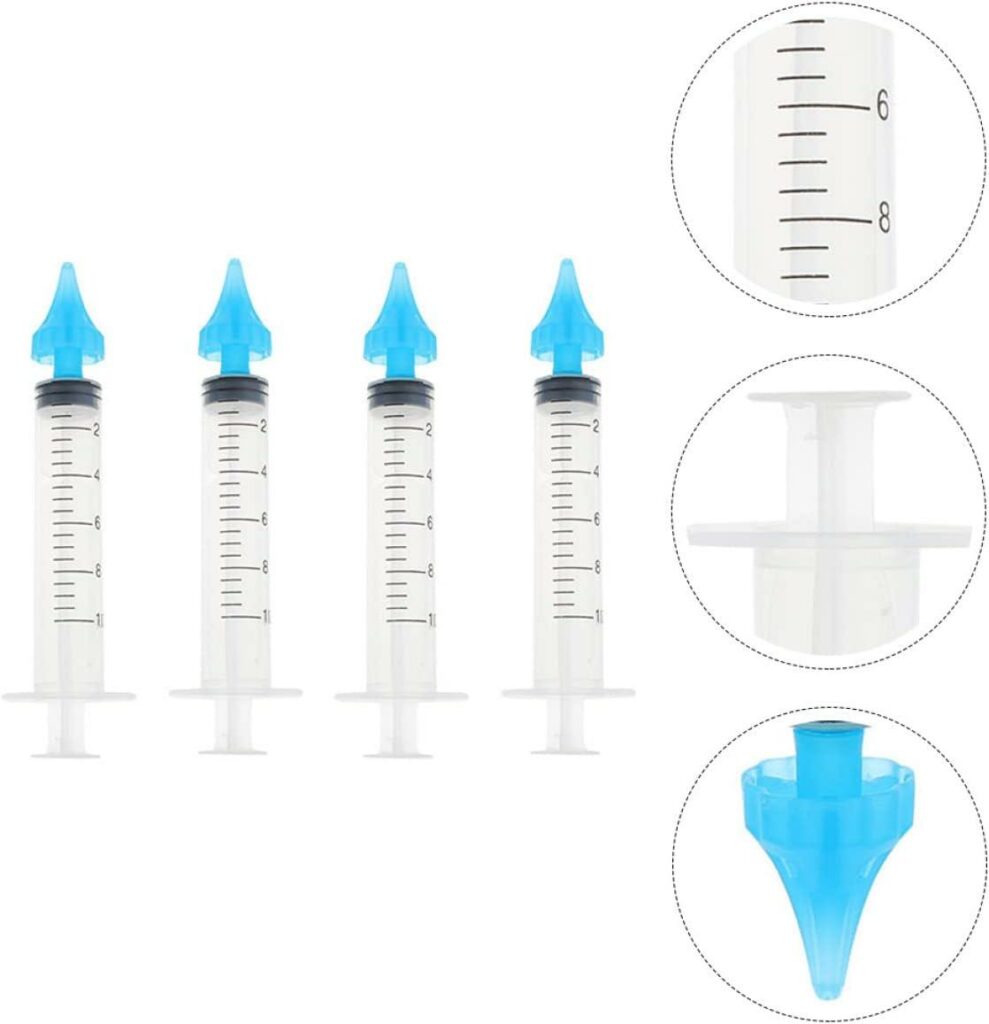
The ear wax cleaning syringe resembles a miniature medical apparatus, often made of flexible plastic, with a bulbous end designed to release streams of water or saline solution. This device operates on a simple yet effective principle: by creating a gentle flow of liquid, it washes away stubborn wax build-up, akin to a gentle stream sculpting a riverbank. Its efficacy, however, rests heavily on the mastery of technique and informed use.
Preparation: The Prelude to Safe Cleaning
Before embarking on your ear wax removal journey, proper preparation is crucial. Just as a painter meticulously lays out their palette before the first stroke, a careful approach ensures the process unfolds smoothly.
- Select the Right Solution: Water is often sufficient for most circumstances, but warm saline solution can be particularly soothing. Aim for a comfortably tempered solution – hot enough to be pleasant, yet cool enough to prevent any discomfort.
- Gather Your Supplies: Aside from the syringe, gather a towel, a basin, and possibly a mirror. The towel will catch stray water, the basin will serve as a receptacle for excess debris and fluid, and the mirror assists in ensuring a steady hand during the process.
- Consultation: Should you possess a history of ear problems or experience significant discomfort, consulting a healthcare professional prior to attempting self-cleaning is advisable.
The Procedure: A Step-by-Step Guide
Now, let us delve into the methodology behind utilizing the ear wax cleaning syringe, transforming this element of home care into a harmonious routine.
- Positioning: Find a comfortable space where you can sit upright. Tilt your head to the side, allowing the ear to be in a position where gravity supports the fluid flow.
- Fill the Syringe: Draw the selected solution into the syringe, ensuring that it’s filled adequately yet not overflowing. A filled syringe is akin to a well-prepared musician, ready to deliver their masterpiece.
- Introducing the Fluid: Gently place the tip of the syringe at the entrance of the ear canal. Release the solution slowly, directing the stream against the walls of the ear. Avoid forcing the fluid directly into the canal, as it may cause discomfort or damage.
- The Rinse and Repeat: You may need to repeat this process several times. Heed the signs your body provides; if discomfort arises, pause and reassess your approach.
- Drainage: Allow the fluid to drain out into the basin. This step is vital, as it reveals the effectiveness of the cleaning, much like unveiling a beautiful artwork.
- Drying: Gently dry the outer ear with a towel, but avoid inserting anything into the canal that could irritate the skin and push wax further in.
Post-Cleaning Care: Finish with Finesse
Just as a gardener tends to their plants post-pruning, aftercare is integral to ensure a healthy ear environment. Keep the ears clean but not overly dry, and avoid the tendency to over-clean, which can lead to irritation or excessive ear wax production as the body tries to compensate.
Common Mistakes to Avoid
Even the most seasoned musicians hit a wrong note from time to time. Here are some common missteps to circumvent:
- Using Pressure: Applying excessive pressure can lead to injury or discomfort. Allow the fluid to flow naturally; it should feel like a gentle caress rather than a jarring surge.
- Ignoring Discomfort: If you experience pain or a sensation of fullness persisting beyond the procedure, do not dismiss these signs. Seeking medical assistance is paramount.
- Improper Tools: Inserting cotton buds or foreign objects can exacerbate the issue, compacting wax further rather than alleviating it.
When to Seek Professional Help
While using an ear wax cleaning syringe can be effective, certain situations necessitate professional intervention. If you experience chronic discomfort, hearing loss, or recurrent infections, consulting an ear, nose, and throat (ENT) specialist is indispensable. They possess advanced tools and skills, much like a skilled artisan perfecting their craft.
Conclusion: Embracing Ear Health with Care
In essence, utilising an ear wax cleaning syringe can be both a safe and effective method for managing ear wax build-up if done correctly. Armed with knowledge, preparation, and the right approach, you can transform what may seem an arduous task into a straightforward routine. Much like maintaining a clean and inviting living space, so too should we attend to our ear health with diligence and care. Embrace the clarity that comes with it, and let each note of sound resonate harmoniously in your world.
FAQ
What is an ear wax cleaning syringe?
An ear wax cleaning syringe is a tool designed to safely flush out excess ear wax using a gentle stream of water or saline solution.
How often should I use an ear wax cleaning syringe?
It is recommended to use the syringe only when necessary, as excessive cleaning can lead to irritation or overproduction of ear wax.
What should I do if I feel discomfort while using the syringe?
If you experience pain or discomfort during the process, stop immediately and consult a healthcare professional.

Leave a Reply