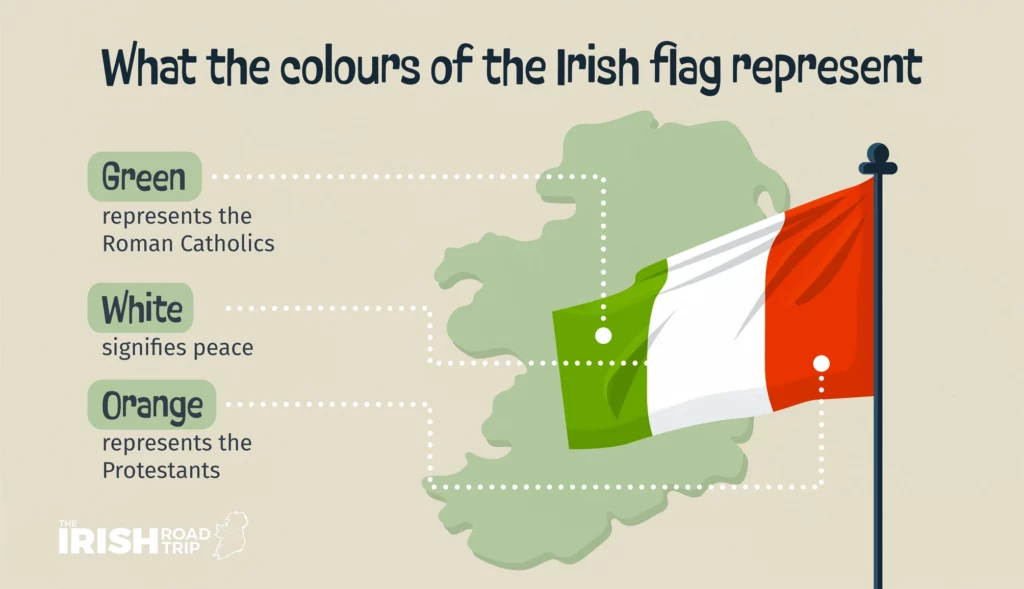
Short Answer
In an increasingly globalised world, names serve as personal insignias, embodying our identities, heritages, and sometimes, our aspirations. This desire to connect with one’s cultural roots has led many individuals to ponder the question: how can I translate my name into Irish? This exploration not only unveils the linguistic nuances of the Irish language, known as Gaeilge, but also provides a glimpse into the rich tapestry of stories, meanings, and histories woven into each name.
Understanding the translation process begins with delving into the origin of one’s name. Names often stem from various sources – familial, geographical, or occupational – and hold significance that can transcend language barriers. In the case of Irish translations, one may encounter a fascinating array of meanings associated with each name, particularly as many names are derived from Gaelic, reflecting an ancient culture steeped in myths, tales, and historical grandeur.
To initiate this translation journey, it is essential to comprehend the linguistic structure of Irish. Unlike English, which exemplifies a Germanic root, Irish is a Celtic language, and its syntax, phonetics, and morphology differ markedly. As such, any attempt to translate a name may require an understanding of these linguistic elements. This leads us to the question of how names are rendered in the Irish language, often encompassing particular conventions that evoke both beauty and complexity.
The Significance of Meaning
The first step in translating your name is to explore its meaning. Many names possess inherent meanings that can resonate profoundly when rendered in a different tongue. For example, the name “Patrick” derives from the Latin “Patricius,” meaning nobleman. In Irish, this translates to “Pádraig,” infusing the name with both respect and ancestral gravitas. The importance of these interpretations cannot be overstated; they link the individual to their cultural mythology, genealogy, and heritage.
Furthermore, names can be imbued with virtues, traits, or aspirations that transcend time. For instance, “Aisling,” meaning “dream” or “vision,” captures the essence of an idealistic and poetic nature. Exploring these meanings encourages a deeper engagement with our names and seeks to illuminate aspects of our personalities that may have been veiled over generations.
Understanding Phonetic Renderings
Once the meaning of the name is ascertained, the next step involves its phonetic rendering in Irish. This part of the process often invites curiosity and intrigue, as some English names have phonetic counterparts that sound markedly different in Irish. Take “Mary,” for instance; in Irish, it is rendered as “Maire,” embodying a lyrical and melodic quality that enriches the name’s pronunciation.
Phonetics in Irish is particularly compelling due to the unique sounds and combinations of letters that exist in the language. The presence of elements such as lenition and eclipsis adds layers of complexity to pronunciation. For those unfamiliar, lenition softens consonants, often represented by an “h” after the original letter, creating a distinctly Irish auditory essence. Hence, the name “Ó Súilleabháin,” meaning “descendant of Súilleabhán,” exhibits such phonetic transformation when uttered in Gaelic.
Historical Context and Cultural Nuances
Names in Irish culture are often deeply intertwined with historical narratives. Understanding the lineage and historical significance of a name can imbue it with a sense of purpose and depth. The story of the name “O’Neill” is an illustrative anecdote. Linked to the ancient kings of Ulster, this name carries the weight of power, nobility, and a storied past characterized by legendary tales. Names such as these frequently invoke curiosity about family history, stimulating a desire to trace genealogical roots and rediscover familial links.
Moreover, Irish surnames commonly denote clan affiliations and geographical origins, emphasising the importance of connection to the land and community. Explore names like “Murphy” and “Kelly,” which have origins steeped in profession or locality, adding further richness to their meanings. This profound association with place and ancestry serves to anchor individuals within a broader historical narrative, illustrating society’s intricate ties to its past.
Utilising Online Resources and Experts
With the advent of technology, many online platforms provide invaluable resources for translating names into Irish. Websites and databases dedicated to the Irish language often furnish insights into name meanings, translations, and pronunciations. Some platforms even feature forums where users can share experiences and tips about their translation journeys, fostering a community of seekers connecting through shared exploration.
For those who seek a more personalised approach, consulting an expert in Celtic studies or the Irish language can yield profound insights. Linguists and historians can offer nuanced understandings that transcend simple translation, providing a richness in meaning and contextual references that resonate deeply.
Conclusion: A Journey of Discovery
The journey of translating one’s name into Irish is not merely a linguistic exercise; it is an odyssey of self-discovery that delves into the depths of heritage, culture, and identity. The process invites reflection on our connections to our ancestors and the narratives that define us. Embracing a name’s Irish equivalent can foster a sense of belonging and solidarity with a rich cultural legacy that continues to flourish in today’s world.
Ultimately, names are imbued with personal history and cultural significance, and translating them into Irish offers a unique opportunity to explore and celebrate these connections. Thus, whether it is out of scholarly curiosity or a genuine longing for a tangible link to one’s lineage, the quest to translate names is a profound reflection of an enduring relationship with identity and the stories that shape it.
FAQ
How do I translate my English name into Irish?
You can translate your name by understanding its meaning and phonetics, then finding the closest Irish equivalent or phonetic rendering, using online resources or consulting experts.
What are lenition and eclipsis in Irish names?
Lenition and eclipsis are grammatical features in Irish that affect the pronunciation and spelling of names by softening or changing consonants.
Can I translate any name into Irish?
While many names can be translated or adapted, some names may not have direct equivalents and require phonetic approximation or culturally related alternatives.
Why are Irish surnames significant historically?
Irish surnames often indicate clan affiliations, geographical origins, and historical narratives, reflecting deep cultural and genealogical ties.



Leave a Reply