Short Answer
ISO 46 hydraulic oil is a versatile and highly regarded lubricant that plays an essential role in various industrial applications. Its compatibility and performance make it a favourite among engineers and maintenance professionals. This article aims to explore the best applications for ISO 46 hydraulic oil and elucidate its compatibility with different systems and environments, providing a comprehensive guide for those considering its use.
Understanding ISO 46 Hydraulic Oil
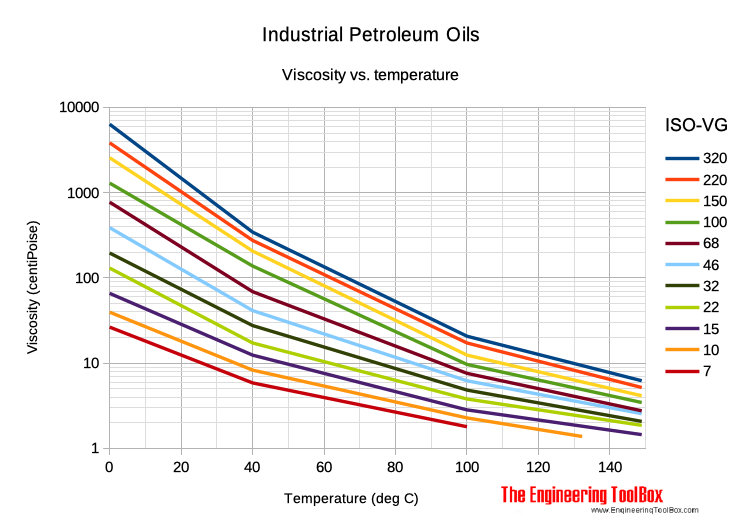
ISO 46 hydraulic oil is classified under the International Organisation for Standardisation (ISO) grading system, specifically ISO VG 46. The number 46 denotes the oil’s viscosity grade at 40 degrees Celsius, indicating a moderate thickness that is suitable for a plethora of applications. This oil typically has a kinematic viscosity of around 46 centistokes, which reveals its efficiency in ensuring optimal flow characteristics in hydraulic systems.
Exceptional Properties of ISO 46 Hydraulic Oil

One might wonder why ISO 46 hydraulic oil has garnered such admiration in the industrial realm. Key characteristics contribute to its prominence:
- Temperature Stability: ISO 46 hydraulic oil boasts excellent thermal stability, maintaining its viscosity across a wide temperature range. This property ensures that machinery operates smoothly, even under extreme thermal conditions.
- Anti-Wear Properties: This oil is formulated with additives that significantly reduce wear on moving parts. Consequently, the lifespan of hydraulic components is extended, reducing maintenance costs and enhancing reliability.
- Oxidation Resistance: With superior oxidation properties, ISO 46 hydraulic oil minimises sludge and varnish formation. This aspect is crucial in preserving the cleanliness of hydraulic systems, promoting efficiency and functionality.
- Foam Control: The formulation includes anti-foaming agents that prevent air entrapment, ensuring consistent hydraulic performance. This characteristic is particularly vital during dynamic operations where maintaining pressure is essential.
Best Applications for ISO 46 Hydraulic Oil
Across various sectors, ISO 46 hydraulic oil is employed in numerous applications, reflecting its adaptability:
- Construction Equipment: The robust nature of ISO 46 makes it ideal for hydraulic systems in construction machinery like excavators, bulldozers, and cranes. These machines require reliable hydraulic fluids to maintain operational efficiency, especially in demanding environments.
- Manufacturing Machinery: Many manufacturing processes utilise hydraulic presses and systems. ISO 46 hydraulic oil ensures seamless operation, enabling precision and longevity in machining components such as injection moulders and shears.
- Agricultural Machinery: Tractors and other agricultural implements rely on ISO 46 hydraulic oil for optimal functionality. It supports various hydraulic applications, including steering, lifting, and lowering mechanisms, thereby ensuring effective farm management.
- Marine Applications: Certain marine hydraulic systems, such as stabilisation systems and steering gear mechanisms, benefit from ISO 46 oil’s resistance to oxidation and its capacity to function in harsh conditions. These attributes mitigate the risk of failure and enhance safety.
Compatibility Considerations
Understanding the compatibility of ISO 46 hydraulic oil with various materials and components is crucial for seamless integration within hydraulic systems. Here are essential aspects to consider:
- Seal Compatibility: ISO 46 oil is generally compatible with a wide range of elastomers used in seals and gaskets, including nitrile and polyurethane. However, it is advisable to verify with specific manufacturers regarding the suitability for particular materials.
- Fluid Compatibility: Mixing different oils can lead to undesirable outcomes. Therefore, it is imperative only to use ISO 46 hydraulic oil in systems designed for it. If transitioning from another type of hydraulic oil, thorough flushing of the system is necessary to prevent chemical reactions.
- Environmental Characteristics: ISO 46 hydraulic oil functions well in both indoor and outdoor settings. However, consideration should be given to specific environmental regulations. Biodegradable alternatives may be necessary in ecologically sensitive areas.
Best Practices for Oil Maintenance
To truly harness the benefits of ISO 46 hydraulic oil, practitioners must engage in diligent maintenance practices:
- Regular Monitoring: Maintain a schedule for routine inspections and viscosity tests. Such practices allow for early detection of issues like contamination or degradation, which can adversely affect hydraulic performance.
- Contaminant Control: Implement measures to minimise contamination, including filtration systems and proper storage techniques. Keeping the hydraulic oil free from dirt and moisture will significantly prolong its effectiveness.
- Scheduled Oil Change: Adhere to manufacturer recommendations regarding oil change intervals. Regular replacement of ISO 46 hydraulic oil reduces the risk of system failure due to oxidised or degraded fluids.
Conclusion
ISO 46 hydraulic oil’s unique properties and vast applications make it a staple in many industrial processes. Its compatibility and dependable performance underscore its importance in maintaining the efficiency and longevity of hydraulic systems. Understanding its characteristics, applications, and maintenance practices will pave the way for effective operations and enhanced productivity across various sectors. In a world where machinery reliability is paramount, ISO 46 hydraulic oil stands as a beacon of excellence, ensuring that operations run smoothly and efficiently.
FAQ
What is ISO 46 hydraulic oil?
ISO 46 hydraulic oil is a lubricant classified under the ISO VG grading system, known for its moderate viscosity and compatibility with various hydraulic systems.
What are the main applications of ISO 46 hydraulic oil?
It is widely used in construction equipment, manufacturing machinery, agricultural machinery, and marine applications.
How should ISO 46 hydraulic oil be maintained?
Regular monitoring, contaminant control, and adhering to oil change schedules are essential for maintaining ISO 46 hydraulic oil.



Leave a Reply