Short Answer
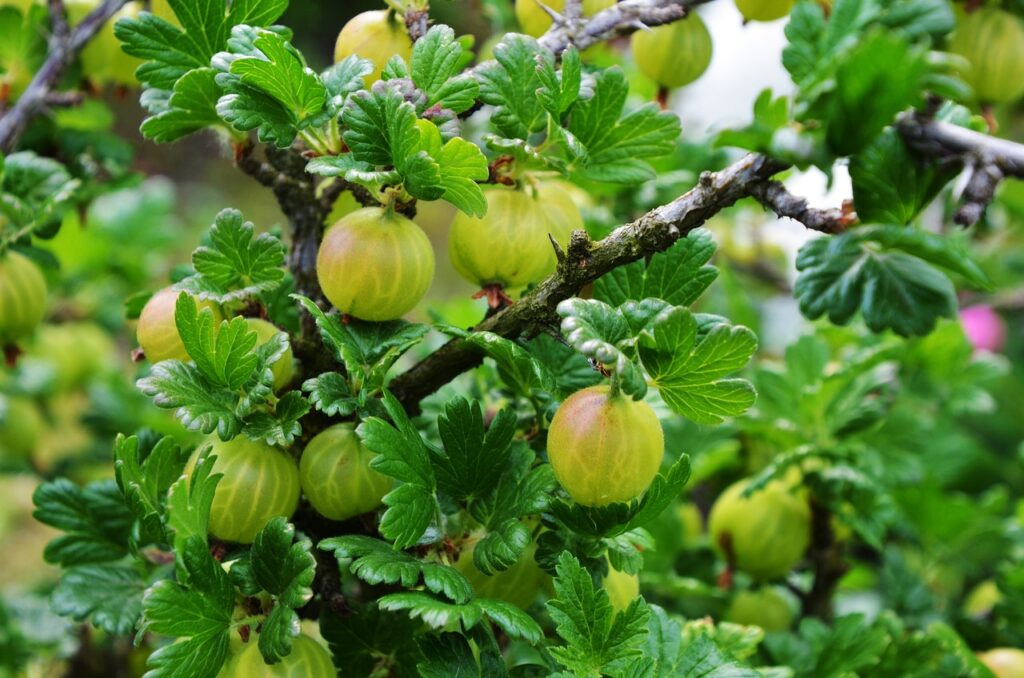
Gooseberries, with their tart flavour and vibrant green hue, have enchanted fruit enthusiasts for centuries. These small berries, belonging to the Ribes genus, are not only delectable but also pack a nutritional punch, making them an excellent addition to desserts, jams, and even savoury dishes. However, one lingering question for many is: can you freeze gooseberries to preserve their fresh taste year-round? Let’s delve into this fascinating topic, exploring the methods, benefits, challenges, and creative ways to maximise the use of frozen gooseberries.
Understanding Gooseberries and Their Appeal
These berries originate from Europe and parts of Asia, where they were traditionally cultivated in gardens and orchards. Their unique flavour, often described as a cross between a grape and a sour green apple, is what makes gooseberries so desirable. They are rich in vitamins A and C, iron, and antioxidants. The appealing tang of gooseberries lends itself perfectly to a variety of culinary applications.
What captivates many about gooseberries is not merely their taste but the nostalgia associated with them. For some, they evoke fond memories of sunny summer days spent in the garden, plucking ripe berries directly from the bush. Thus, the thought of preserving these berries through freezing allows one to hold onto those cherished moments throughout the year.
Preparation: Sizing Up Your Gooseberries
Before embarking on the freezing journey, it’s essential to prepare your gooseberries properly. Start by selecting ripe, firm berries free from blemishes or signs of spoilage. Ideal gooseberries should be a bright green or light yellow colour, indicating they are at their peak ripeness. Once collected, rinse them gently under cool water to remove any dirt or debris, ensuring your berries retain their pristine quality.
Next, remove the stems and blossom ends of the berries. This step, while tedious, significantly enhances the quality of your frozen fruit. While some may opt to slice or mash the berries, it’s advisable to freeze them as whole for the best texture and flavour retention. The full-bodied essence of a whole gooseberry encapsulates the beloved summer flavour perfectly.
The Freezing Process: Step-by-Step
Freezing gooseberries is a relatively straightforward process. Here’s a simple guide to achieving optimal results:
- Pre-Freeze: Lay the prepared gooseberries on a baking sheet in a single layer. This prevents them from clumping together during the freezing process and allows for more versatile usage later.
- Flash Freeze: Place the baking sheet in the freezer for 1-2 hours until the berries are solid. This flash-freezing method is essential for preserving both flavour and texture.
- Packing: Once the berries are frozen solid, transfer them into airtight containers or freezer bags. Be sure to remove as much air as possible to prevent freezer burn—an unsuspecting nemesis of frozen fruits.
- Label and Date: Clearly label each container with the date and contents. Gooseberries can maintain their quality in the freezer for up to a year, but keeping track of time ensures optimal use.
Benefits of Freezing Gooseberries
Freezing gooseberries offers several compelling advantages. Not only does it enable you to enjoy their vibrant taste outside of the traditional harvest season, but it also allows you to save any excess fruit from going to waste. This aspect of sustainability resonates deeply with those who consider the environmental impact of their culinary choices.
Moreover, frozen gooseberries retain their nutritional profile remarkably well. While the texture may alter slightly—assuming they are frozen and thawed correctly—the health benefits remain intact. They can be an excellent source of flavor in smoothies, desserts, and even in savoury recipes throughout the colder months.
Defrosting: Venturing into Consumption
When it comes to using your frozen bounty, proper defrosting techniques can elevate your culinary creations. For the best results, it’s wise to thaw gooseberries in the refrigerator overnight. This gradual thawing method helps maintain their texture and flavour. If you are pressed for time, placing them in a colander under cool running water can serve as a quick alternative.
Once thawed, the uses for gooseberries are boundless. Their tartness lends itself beautifully to jams, jellies, and sauces. Alternatively, try adding them to desserts like pies, crumbles, or cakes to counterbalance sweetness. For a savoury twist, consider incorporating them in glazes for roasted meats or tossing them in salads for a punch of flavour.
Challenges and Common Concerns
While freezing gooseberries is generally straightforward, there are a few challenges to consider. The first is texture; thawed gooseberries may become softer than their fresh counterparts. This change is not detrimental but may alter the way they are used in certain dishes.
Another concern lies in flavour. Some have noted that the intensity of the tartness can diminish after freezing. To combat this, some recommend adding a bit of sugar before freezing as it can help preserve the taste profile.
Conclusion: A Taste of Summer All Year Round
The ability to freeze gooseberries unlocks a treasure trove of culinary possibilities and preserves the taste of summer for bleak winter days. By following proper preparation and freezing techniques, you can ensure that these delightful fruits are at your fingertips whenever inspiration strikes. Whether used in a comforting pie or a vibrant salad, frozen gooseberries can bring a touch of sunshine to any dish, nurturing both nostalgia and creativity in the kitchen.
FAQ
Can you freeze gooseberries without washing them first?
It's recommended to rinse gooseberries gently before freezing to remove any dirt or debris for better quality.
How long do frozen gooseberries last?
They can be stored in the freezer for up to one year while maintaining good quality.
Does freezing affect the flavor or texture of gooseberries?
Freezing may soften the texture and slightly diminish tartness, but flavor can be preserved by proper techniques.
What is the best way to thaw frozen gooseberries?
Thawing slowly in the refrigerator overnight is optimal to maintain texture and flavor.
Are frozen gooseberries nutritious?
Yes, freezing preserves most vitamins and antioxidants, making them a healthy option year-round.





Leave a Reply