Short Answer
When it comes to construction, particularly in the realm of civil engineering, the terminology employed can seem perplexing to those uninitiated in the craft. One such term that frequently arises in the discussion of concrete is “C30 concrete mix”. The fascination surrounding C30 concrete lies not merely in its classification, but in its versatile applications and the undeniable strength it offers for various structural purposes. This article delves into the intricacies of C30 concrete mix ratio, its significance in building robust foundations, and the nuances that underscore its widespread usage.
Understanding Concrete Mix Ratios
Concrete is composed of a precise blend of cement, aggregates, water, and, if necessary, additives. These components work in unison to create a material that is paramount for durability and strength in construction projects. The mix ratio refers to the proportionate quantities of these ingredients. The designation “C30” denotes the compressive strength of the concrete after 28 days of curing, quantified at 30 MPa (megapascals). Such a strength level positions C30 concrete as a reliable choice for structural applications, including but not limited to, floors, pavements, and even foundational bases.
Core Components of C30 Concrete Mix

The concoction of C30 concrete mix is generally made up of the following components:
- Cement: As the binding agent, cement is fundamental in the formation of concrete. Ordinary Portland Cement (OPC) is the most commonly utilized variant, accounting for the bulk of the mix.
- Aggregates: These can be subdivided into fine aggregates (sand) and coarse aggregates (gravel or crushed stone). The ratio and quality of aggregates significantly influence the overall performance of the concrete.
- Water: Water’s role is not merely functional; it is crucial in the hydration process that solidifies the concrete. The water-cement ratio is a critical factor that dictates the final strength and durability of the mix.
- Additives: Depending on specific requirements, various additives like plasticizers may be incorporated to enhance workability or accelerate curing times.
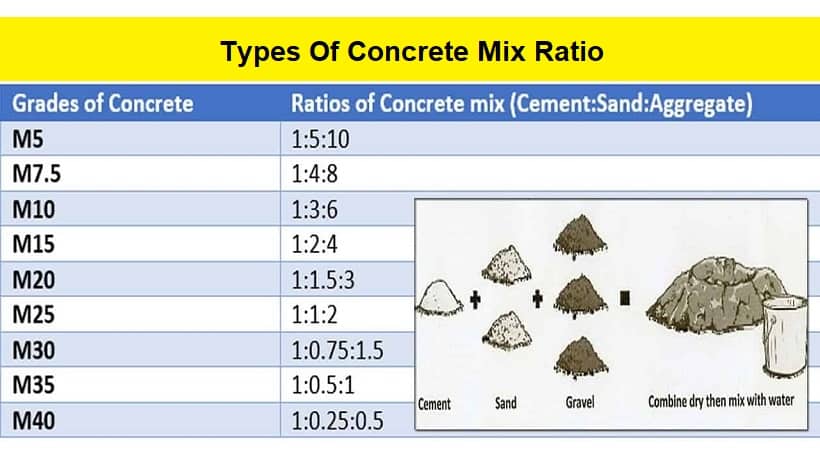
Each of these components must be meticulously measured to achieve the ideal mix ratio. A typical C30 mix may consist of a ratio of 1:1.5:3 (cement:sand:aggregate) together with an appropriate amount of water. However, these ratios can vary based on environmental conditions and specific project requirements.
Why C30 Concrete Is Preferred
The predilection for C30 concrete in the construction sector can be attributed to several factors. Its 30 MPa strength indicates good resistance to heavy loading, making it optimal for a variety of structural applications. In residential buildings, for instance, C30 concrete effectively supports the weight of upper floors, while maintaining stability over time. Moreover, its adaptability to both wet and dry conditions makes it an invaluable resource, particularly in the UK’s variable climate.
This type of concrete is also remarkably durable against weathering and wear. It exhibits resistance to common issues such as cracking and spalling, which can plague lesser mixtures. Additionally, its relatively affordable nature renders C30 concrete an economically sound choice without sacrificing quality or strength.
Key Applications of C30 Concrete
Through its myriad advantages, C30 concrete effectively caters to numerous applications, such as:
- Pavements: Given its strength and durability, C30 concrete is widely employed for pedestrian paths, driveways, and other hardscapes.
- Building Foundations: This concrete mix is frequently used in the construction of foundations for residential and commercial structures, providing a reliable base that supports substantial loads.
- Slabs and Floors: C30 concrete is prevalent in laying floors, particularly for industrial settings where heavy machinery may be present.
- Retaining Walls: The compressive strength of C30 allows for the construction of retaining walls capable of withstanding the lateral pressures exerted by soil.
The versatility of C30 concrete enhances its appeal, making it an essential material in the toolkit of any competent builder or architect.
Optimising the C30 Mix
Achieving the correct mix of C30 concrete is a science. Various factors can impact the final outcome, requiring careful scrutiny. For example, the quality of aggregates can significantly influence the strength and workability of the mix. Using clean, properly graded aggregates can assure the integrity of the concrete. Furthermore, the water used must be clean and free from impurities that could detract from the hydration process.
Moreover, the environment in which the concrete is being poured will also play a pivotal role; temperature and humidity can affect the setting time, subsequently altering the strength development of the concrete. It’s prudent to conduct tests and consider local conditions when mixing C30 concrete to guarantee optimum results.
Conclusion
The C30 concrete mix ratio serves as a hallmark of construction quality across various applications, underpinning the foundations of homes and infrastructures alike. Its ideal blend of strength and durability makes it a top contender in the concrete hierarchy. Understanding its composition, method of application, and the intrinsic reasoning behind its selection can elevate one’s construction projects significantly. For builders and architects seeking reliability and resilience, C30 concrete stands as a trusted ally, fortifying structures to withstand the rigours of time and nature.
FAQ
What is the C30 concrete mix ratio?
The C30 concrete mix ratio typically consists of 1 part cement, 1.5 parts sand, and 3 parts aggregate, along with an appropriate amount of water.
What are the advantages of using C30 concrete?
C30 concrete is preferred for its 30 MPa strength, durability against weathering, resistance to cracking, and economic viability.
Where is C30 concrete commonly used?
C30 concrete is commonly used in pavements, building foundations, slabs and floors, and retaining walls.



Leave a Reply