Short Answer
Underarm cream for whitening has become a trending topic in the beauty industry, enticing individuals looking for that elusive even skin tone. As more people turn to these products, a multitude of questions arise. Does it really work? What are the implications of using such creams? Before diving into personal anecdotes and reviews, it’s crucial to understand the broader context of skin discolouration and the social pressures surrounding it.
The phenomenon of dark underarms is common and affects people regardless of ethnicity or skin type. For many, it may appear as a mere aesthetic concern. However, this observation invites deeper contemplation about self-image, societal standards, and personal confidence. In cultures where smooth and luminous skin is celebrated, dark underarms can become a source of embarrassment and self-consciousness, propelling individuals towards potential solutions like whitening creams.
As the market burgeons with promises of radiant skin, let’s dissect how underarm creams are purported to work, their potential ingredients, and the scientific backbone (or lack thereof) behind their efficacy.
What are Underarm Whitening Creams?
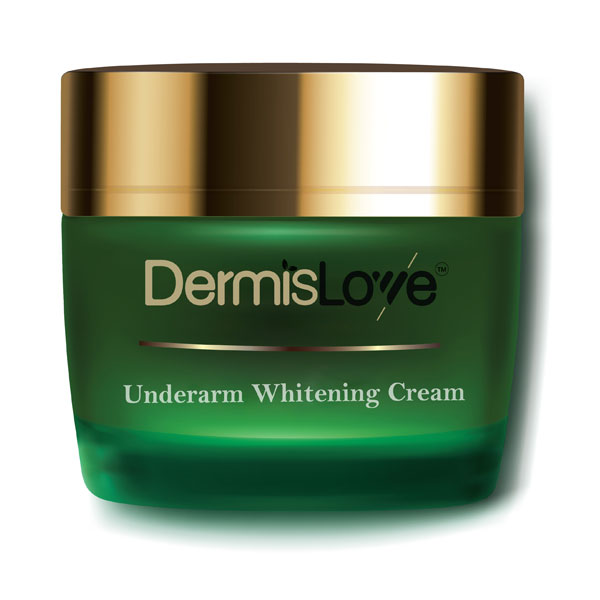
Underarm whitening creams are topical preparations designed to lighten hyperpigmentation in the skin. These products frequently contend with the melanin that gives the skin its colour. When skin becomes darkened due to factors like shaving, friction, hormonal changes, or even environmental influences, individuals may consider these creams as an option for restoring their idealised complexion.
Typically, these formulations include ingredients such as hydroquinone, kojic acid, arbutin, vitamin C, and niacinamide. While some of these components have shown potential in other areas of skincare, their effectiveness specifically for underarm whitening can vary significantly.
Ingredients to Consider
Delving deeper into the active ingredients, we discover a variety of agents that are claimed to provide skin-lightening effects:
- Hydroquinone: A widely discussed ingredient, hydroquinone is often hailed as a powerful bleaching agent. However, its use is contentious due to potential side effects and the regulatory scrutiny it faces in various countries.
- Kojic Acid: Derived from fungi, this natural alternative to hydroquinone has anti-fungal properties and is thought to inhibit melanin production.
- Arbutin: A derivative of hydroquinone, this compound is considered safer and is converted into hydroquinone by the skin.
- Vitamin C: Renowned for its antioxidant properties, vitamin C is not solely a brightening agent but is also significant for overall skin health.
- Niacinamide: This versatile vitamin B3 derivative boasts skin-repairing properties. It’s known to reduce inflammation, control oil, and even mitigate dark spots over time.
While these ingredients can contribute to a brighter appearance, the overall effectiveness may depend on skin type, the formulation used, and frequency of application.
Should You Use Underarm Whitening Creams?
Before embarking on the journey of using underarm whitening creams, it is prudent to consider several factors. Firstly, the expectation of immediate results can lead to disappointment. These creams generally require consistent use over weeks or even months. Moreover, the assessment of skin sensitivity is crucial; some individuals may experience irritation or allergic reactions due to potent ingredients, especially in the delicate underarm area.
Furthermore, it’s essential to take into account the ethics surrounding skin whitening. The desire to lighten skin can sometimes stem from ingrained societal standards and biases. It is worth reflecting on the motivations behind wanting to achieve a lighter underarm tone. The pursuit of an altered appearance may signify deeper feelings related to body image and societal acceptance.
Real User Experiences
Obviously, the best way to gauge the effectiveness of underarm whitening creams is through real user experiences. A plethora of reviews can be found online, illustrating a spectrum of opinions. For some, these creams worked wonders, leading to an improved sense of confidence. One user shared how using a kojic acid-based cream cleared her underarm darkening acquired over years of shaving. Others, however, lamented vague disappointments. They reported that after extensive use, little to no change was evident.
It is vital to sift through these testimonials critically. They often encapsulate individual experiences that may not be generalisable. Adept consumers should focus not just on successful outcomes, but also on experiences of irritation or limited effectiveness.
Alternatives and Complementary Approaches
For those who may be sceptical of creams, alternative approaches could also be considered. Natural remedies, such as lemon juice, aloe vera, and coconut oil, are commonly used by many as home treatments. Combined with proper skincare routines that embrace gentle exfoliation, individuals may find satisfaction in achieving their desired results without resorting to commercial products.
Moreover, laser treatments have gained popularity as a more effective and immediate solution for skin discolouration. Although more invasive and often pricier, many consider the long-term benefits worth the investment when compared to traditional creams.
Conclusion
The quest for underarm whitening creams touches on multifaceted concerns surrounding beauty standards, self-esteem, and personal agency. While these creams may offer some hope for results, they present a mix of scientific intrigue and emotional complexity. As products touting miraculous results flood the market, informed decisions, self-reflection, and a balanced perspective are paramount. Understanding your skin’s needs, and weighing the effectiveness and ethical implications, can lead to a more authentic approach to beauty and self-acceptance.
FAQ
What causes dark underarms?
Dark underarms can result from shaving, friction, hormonal changes, and environmental factors leading to increased melanin.
Can I use lemon juice to lighten underarms?
Some use lemon juice as a natural remedy, but it can cause irritation and results are not scientifically guaranteed.
Are laser treatments effective for underarm whitening?
Laser treatments may offer more immediate and long-lasting results but are more costly and sometimes invasive.
Is hydroquinone safe to use in skin creams?
Hydroquinone is effective as a bleaching agent but is regulated in many countries due to potential side effects.
How should I test if an underarm cream is safe for me?
Perform a patch test on a small skin area before full application to check for irritation or allergic reactions.



Leave a Reply