Short Answer
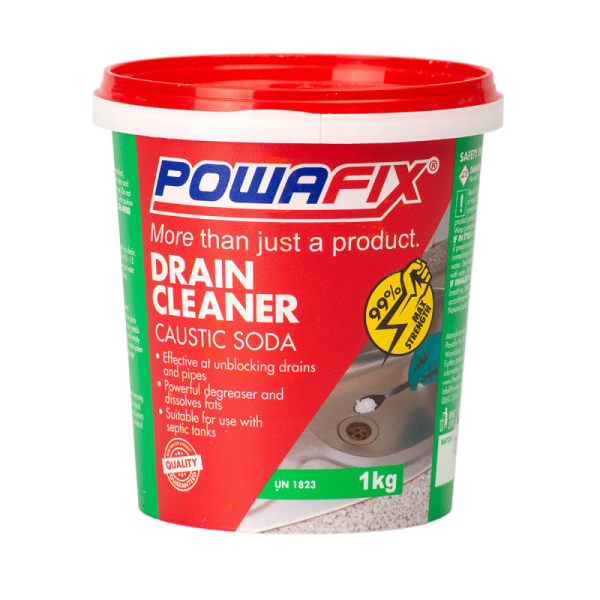
Caustic soda, also known as sodium hydroxide, is a potent alkaline substance widely employed in various industrial applications, including drain cleaning. Its efficacy in dissolving organic matter has made it a popular choice for tackling stubborn clogs in pipes. However, the question of safety along with its effectiveness often arises, warranting a comprehensive examination of this chemical compound.
The Chemistry Behind Caustic Soda: Caustic soda is a white, odourless solid that is highly soluble in water. When mixed with water, it undergoes an exothermic reaction, releasing heat and resulting in a caustic solution. This alkaline solution can break down fats, oils, and grease, rendering it a formidable adversary against household blockages. Its ability to hydrolyze proteins also facilitates the breakdown of organic debris, which commonly contributes to drainage obstructions.
The Practical Applications: The primary utilisation of caustic soda as a drain cleaner is its capacity to eliminate clogs caused by food particles, hair, soap residue, and other organic waste. Many commercial drain cleaners contain sodium hydroxide as a primary ingredient, delivering robust cleaning power to maintain unimpeded flows in plumbing systems. Typically available in solid or liquid form, this compound can be introduced directly into the affected drain, where it begins its work almost instantaneously.
Efficiency Compared to Other Solutions: Caustic soda stands out in comparison to traditional drain-cleaning agents, such as those containing bleach or ammonia. Where some alternatives may merely dislodge materials, caustic soda actively breaks down solid buildup, resulting in an effective and often quicker resolution to drainage issues. It can tackle tough blockages that other solutions may fail to rectify, making it a valuable component in the toolkit of homeowners and professional plumbers alike.
Evaluating Safety Concerns: Despite its effectiveness, the use of caustic soda introduces several safety considerations that must be acknowledged. Sodium hydroxide is classified as a hazardous substance; exposure to its concentrated form can cause severe chemical burns and respiratory irritation. It is imperative to wear protective gear—such as gloves and goggles—when handling caustic soda, as well as to ensure adequate ventilation in the area where it is being used.
Environmental Implications: Another consideration is the environmental impact of caustic soda. When improperly disposed of, it can pose a risk to water sources and ecosystems. Although sodium hydroxide is readily neutralised in the presence of acids, its introduction into wastewater systems must be managed with care. Many municipalities impose regulations on its usage and disposal in an effort to preserve water quality and protect aquatic life.
Alternative Methods for Drain Cleaning: For those averse to the potential pitfalls of caustic soda, there are various alternative methods and products available. Biological drain cleaners, for instance, utilise enzymes and bacteria to break down organic matter in a more environmentally friendly manner. While these alternatives may take longer to work, they offer a gentler approach to maintaining drain performance without the use of harsh chemicals.
Homemade Solutions: Homemade drain cleaners often utilise common household items, such as baking soda and vinegar, which may provide a safer yet less potent alternative compared to caustic soda. The combination of these two ingredients produces carbon dioxide bubbles that can help dislodge small blockages. However, this method is typically more suitable for minor clogs rather than severe blockages.
User Experiences: Anecdotal evidence from users highlights the mixed experiences associated with caustic soda as a drain cleaning agent. Many households report successful results, rejuvenating their plumbing systems with relative ease. However, there are also cautionary tales involving improper usage that led to damage of pipes, particularly older or less durable systems. Such instances underscore the importance of adhering strictly to the instructions provided with the product and being aware of the plumbing’s material composition.
When is Caustic Soda Recommended? Caustic soda is particularly recommended for households that frequently experience drainage issues, especially in areas with hard water deposits or excess grease accumulation. Its potency makes it better suited for more severe clogs, where conventional methods have failed. However, it is essential to assess the condition of the plumbing to prevent potential damage from its reactive nature.
Conclusion: Caustic soda can be an effective and swift solution for drain cleaning when used with the proper precautions. Its ability to break down organic matter far surpasses that of many alternative cleaning agents. Nonetheless, safety should remain a paramount concern, compelling users to equip themselves with protective gear and to understand the implications of its use. Whether to engage with caustic soda or seek alternative methods ultimately hinges on individual comfort levels and specific household needs. It is this blend of efficacy against clogs and safety considerations that makes caustic soda a noteworthy subject in the domain of drain maintenance.
FAQ
What is caustic soda?
Caustic soda, also known as sodium hydroxide, is a strong alkaline compound used in various applications, including drain cleaning.
Is caustic soda safe to use?
While effective, caustic soda can cause severe burns and respiratory issues if not handled properly. Protective gear is recommended.
What are alternatives to caustic soda for drain cleaning?
Alternatives include biological drain cleaners and homemade solutions such as baking soda and vinegar.


Leave a Reply