Short Answer
In the quest for a sun-kissed glow, many individuals are drawn to sunbed sessions. The allure of tanned skin is often multifaceted, encompassing aesthetic appeal, seasonal transitions, and even cultural norms. However, an underlying curiosity persists: how many sunbed sessions are necessary to achieve the coveted tan while still prioritising safety?
To navigate this intricate world of artificial tanning, it’s essential to delve deeply into various factors: skin type, tanning objectives, and most importantly, safety precautions. Understanding these elements will enable both novices and seasoned tanners to not only achieve their desired complexion but do so without incurring unnecessary risks.
1. Understanding Skin Types
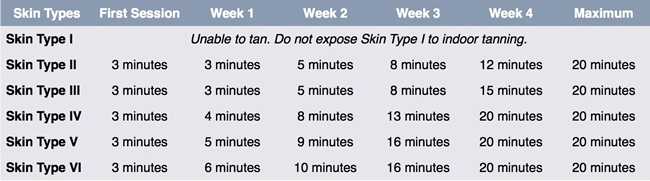
The first step towards determining the ideal number of sunbed sessions lies in recognising your skin type. The Fitzpatrick scale is a classification system that categorises skin types based on their reaction to UV exposure. This scale ranges from type I (very fair, burns easily) to type VI (very dark, rarely burns). Individuals with fair skin (types I and II) typically require fewer sessions to achieve a tan than darker skin types. Consequently, understanding your skin’s characteristics is paramount in establishing a safe tanning regimen.
2. The Science Behind Tanning
Tanning occurs as the skin reacts to UV rays, triggering the production of melanin—a pigment that darkens the skin to protect against further UV damage. When using a sunbed, you expose your skin to controlled doses of UV radiation, simulating the sun’s natural tanning process. However, the intensity of these sessions varies based on the equipment used and the user’s skin type. Therefore, achieving an ideal tan necessitates careful planning and moderation.
3. Setting Tanning Goals
Before embarking on your tanning journey, it’s crucial to establish clear goals. Are you aiming for a light sun-kissed look, or do you desire a more profound bronze hue? Your target will significantly influence the frequency and duration of your sessions. A moderate tan might require fewer sessions of shorter duration, while a deep tan could necessitate a more extensive commitment.
4. Session Duration and Frequency
Generally, beginners should start with short tanning sessions, typically ranging from 5 to 10 minutes. Depending on skin sensitivity and the specific sunbed, this initial exposure helps gauge how your skin reacts to UV light. After this introductory phase, gradual increments of 2 to 4 minutes per subsequent session can be considered. A common recommendation suggests limiting sessions to no more than two to three times a week to allow the skin time to recuperate and avoid overexposure.
For those with darker skin types, slightly longer sessions may be appropriate, but caution must prevail. A total of 5 to 10 sessions may suffice for a mild tan, whereas achieving a deeper tone could necessitate 10 to 15 sessions as determined by personal preference and skin response.
5. Risks and Considerations
While sunbeds can facilitate a stunning tan, the associated risks cannot be overlooked. Prolonged exposure to UV radiation has been linked to skin damage, premature ageing, and an increased risk of skin cancer. Understanding these dangers is vital. Regularly using sunbeds can lead to DNA damage in skin cells, heightening the chance of malignant transformations. Therefore, moderation becomes a critical component of safe tanning.
Additionally, consulting with a dermatologist before embarking on a tanning regimen is prudent, especially for those with skin concerns or a history of dermatological issues. Professionals can provide tailored advice and highlight any contraindications based on individual health profiles.
6. Enhancing Your Tanning Experience
To optimise the tanning process while remaining safe, consider utilising tanning accelerators or lotions specifically designed for sunbed use. These products often contain ingredients that increase melanin production and enhance the tanning process. Furthermore, maintaining skin hydration is paramount; applying a moisturiser before and after sessions keeps the skin supple and promotes a more even tan.
Another salient point in your tanning journey is the importance of protective eyewear. Tanning beds emit intense UV rays that can be detrimental to the eyes. Investing in goggles designed to block UV light is a non-negotiable aspect of your tanning regimen.
7. Conclusion: Tanning Responsibly
In conclusion, the pursuit of a beautiful tan through sunbed sessions is both an art and a science. With a profound understanding of skin types, goals, session frequency, and an unwavering commitment to safety, one can achieve that radiant complexion while minimising risks. Remember, sun-kissed skin can be alluring, but the responsibility of climate control rests within your hands. Embrace the sunbed as a friend rather than a foe, and let your journey towards a golden glow be a safe and enjoyable one.
Ultimately, the narrative surrounding tanning is not solely about the aesthetic outcome but also embodies a deeper reflection on self-expression, confidence, and personal care. In this dance with UV rays, let your choices resonate with consideration and respect for your skin’s health.
FAQ
How many sunbed sessions are safe for tanning?
Generally, it’s recommended to limit sessions to two to three times a week, starting with short sessions and gradually increasing duration.
What skin types require more sunbed sessions?
Darker skin types may require slightly longer sessions compared to fair skin types, which usually tan more quickly.
What precautions should I take while using sunbeds?
Always use protective eyewear, apply moisturizers, and consult with a dermatologist if you have skin concerns.


Leave a Reply