Short Answer
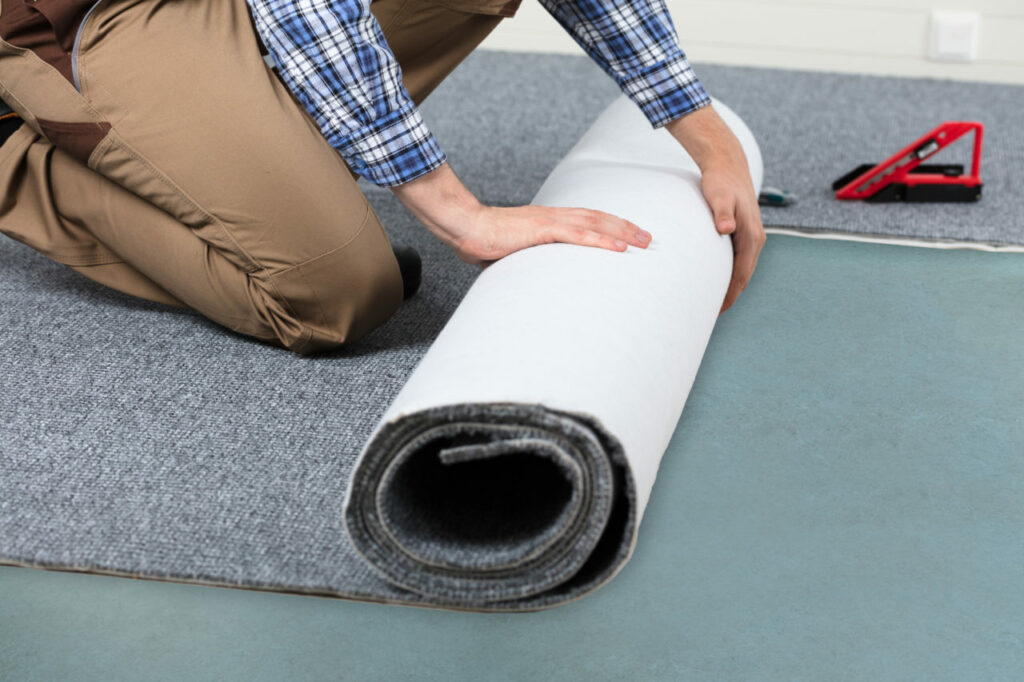
When it comes to home decor, few elements infuse a space with warmth and comfort quite like a carpet. It envelops us in coziness, softening our footsteps and elevating the overall aesthetic of our interiors. However, the question that often plagues homeowners is: “How long should a carpet last?” The answer, of course, is nuanced and heavily contingent upon various factors, including material composition and usage patterns. In this exploration, we shall traverse the labyrinth of carpet longevity and discover the intricacies that dictate their lifespan.
First and foremost, the material of a carpet plays a pivotal role in determining how long it will endure. Carpets can be constructed from a myriad of materials, each possessing unique characteristics that directly impact durability. Broadly categorised, carpets can be made from natural fibres, synthetic fibres, or a combination of both. Let’s delve deeper into these materials.
Natural Fibres:
Natural fibre carpets, such as wool and sisal, are revered for their luxurious feel and eco-friendly attributes. Wool, for example, is not only remarkably soft but also inherently resilient. On average, a well-maintained wool carpet can last between 12 to 20 years. It possesses natural stain resistance, though it requires periodic cleaning to maintain its luster. Alternatively, sisal carpets, derived from agave plants, can last anywhere from 8 to 14 years. While they exude an understated elegance, they are prone to wear under heavy traffic, necessitating careful consideration of placement.
Nevertheless, the holistic allure of natural fibres must be weighed against their susceptibility to environmental factors. Their lifespan can be adversely affected by moisture, which can lead to mould and mildew, especially in areas with high humidity. This dichotomy of beauty and fragility compels homeowners to envisage a conscientious approach to maintenance.
Synthetic Fibres:
As the contemporary market burgeons with options, synthetic fibres have risen to prominence for their affordability and durability. Nylon, polyester, and olefin (polypropylene) are some of the most prevalent materials, each offering distinct advantages. A nylon carpet, for instance, is lauded for its durability and can last 10 to 30 years, particularly when treated with protective coatings. It exhibits impressive resilience against abrasions, making it an ideal candidate for high-traffic areas.
In contrast, polyester carpets, known for their vibrant colour retention, generally last between 5 to 15 years. They tend to be less robust than nylon, making them more suitable for residential settings with moderate footfall. On the other hand, olefin is famously moisture resistant but isn’t as durable as nylon. Carpet made from olefin can anticipate a lifespan of around 5 to 10 years, which may be suitable for lower traffic areas.
To further complicate matters, the lifespan of carpets is not solely dictated by the materials from which they are made. The environment in which they reside plays an equally critical role. Seemingly innocuous elements—foot traffic, sunlight exposure, and cleaning habits—can drastically shorten a carpet’s triumph over time.
Foot Traffic:
Foot traffic is arguably the most significant determinant of carpet longevity. High-traffic areas, such as hallways and living rooms, experience considerable wear and tear. Consequently, the lifespan of a carpet in these locations can be diminished by as much as half. When it comes to carpets in moderate traffic zones—like bedrooms—they can flourish longer, potentially reaching the upper echelons of their estimated lifespan. To prolong durability, consider placing rugs or runners in entryways to mitigate the abrasive effects of daily footfall.
Sunlight Exposure:
Sunlight, while an excellent augmenter of natural light, can herald the deterioration of carpet fibres. Ultraviolet rays can cause fading and weaken fibres over time. To furnish longevity, invest in window treatments that can shield your carpets from direct sunlight, or consider purchasing UV-resistant carpets. Such precautions may extend the life of your cherished carpet significantly and maintain the vibrancy of its hues.
Cleaning Habits:
The cleaning regimen imposed upon your carpet can also influence its lifespan. Regular vacuuming is paramount to remove dust and debris that can act as abrasive agents, exponentially wearing down fibres over time. Perhaps more crucial is the choice of cleaning products; harsh chemicals may yield instant results but can inadvertently shorten the carpet’s life. Opt for gentler, carpet-specific cleaners, and consider enlisting the services of professional cleaners every 12 to 18 months to ensure your carpet remains in optimal condition.
Conclusion:
In conclusion, the question of how long a carpet should last is decidedly layered and complex. Its longevity oscillates between the fibres chosen, the foot traffic endured, sunlight exposure, and the diligence of cleaning practices. While natural fibres radiate grandeur and warmth, synthetic options offer practicality and cost-effectiveness. Ultimately, the perspective on carpet longevity shifts much like the patterns woven into their very fabric. Armed with knowledge and foresight, one can create a harmonious environment where carpets not only survive but flourish for years to come.
FAQ
What is the average lifespan of a wool carpet?
A well-maintained wool carpet can last between 12 to 20 years.
How does foot traffic affect carpet longevity?
High foot traffic can significantly reduce a carpet’s lifespan, sometimes by as much as half.
What cleaning habits can prolong a carpet's life?
Regular vacuuming and using gentler, carpet-specific cleaners can help extend a carpet’s lifespan.


Leave a Reply