Short Answer
Hair loss can be a distressing experience for many individuals, manifesting in various forms and affecting one’s self-esteem. In this exploration of hair regrowth, we delve into the journey of transformation, highlighting before and after results from actual treatments. The focus of this article is on the myriad of therapies available, showcasing their effectiveness and testimonials from those who have trodden this path.
Understanding hair loss is fundamental. It can stem from a multitude of factors including genetics, hormonal changes, medical conditions, dietary deficiencies, and stress. Among the vast spectrum of hair loss types, androgenetic alopecia, commonly known as male or female pattern baldness, is the most prevalent. However, conditions like alopecia areata, telogen effluvium, and scalp infections also contribute to significant hair thinning.
As we explore the realm of hair regrowth, we will dissect various treatment options, their mechanisms, and the results that can be expected over time. The first category we’ll examine includes medical treatments, which often employ pharmaceuticals or topical products aimed at stimulating hair follicles.
Minoxidil is perhaps the most recognised topical treatment for hair loss. Initially developed as a blood pressure medication, its hair regrowth side effect was serendipitously discovered. Available in liquid or foam form, it is applied directly to the scalp. Results can typically be seen after several months of consistent use. Users often report a gradual thickening of existing hair and in some fortunate cases, new hair growth in previously bald areas.
Another popular option is finasteride, an oral medication primarily aimed at men. This drug works by inhibiting the hormone responsible for hair thinning, particularly in cases of androgenetic alopecia. With continued use, many have experienced significant improvements, with some achieving a regrowth that rivals the density of their former hair.
Beyond pharmaceuticals, natural and holistic treatments have garnered attention. Essential oils, such as rosemary, peppermint, and lavender, have been noted for their purported ability to improve circulation in the scalp, thereby enhancing hair growth. Regular massages with these oils may create a soothing and beneficial routine that many find pleasant.
Platelet-Rich Plasma (PRP) therapy represents a more avant-garde approach. This treatment utilises the patient’s own blood, processing it to extract growth factors before re-injecting it into the scalp. Patients often report not just a halt in hair loss but a revival of hair density and strength, validating the efficacy of this innovative treatment.
Emerging technologies, such as low-level laser therapy, have also entered the fray. These devices, which are now available for home use, employ non-invasive light to stimulate hair follicles. The evidence supporting its effectiveness is promising, with many users sharing their journeys from sparse to lush locks. Most commend the ease of use and the absence of side effects, a common concern with medicinal options.
As we tread further into the world of hair loss solutions, it is essential to consider the role of nutrition. A diet replete with vitamins and minerals such as biotin, zinc, iron, and omega-3 fatty acids can play a pivotal role in promoting robust hair health. Moreover, supplements specifically designed for hair growth have seen a surge in popularity. These often combine a blend of these critical nutrients aimed at addressing deficiencies that may contribute to hair loss.
Of course, lifestyle changes can also be instrumental. Reducing stress through mindfulness practices, yoga, or regular exercise can help mitigate hair loss triggered by elevated cortisol levels. The correlation between mental health and physical appearance cannot be overstated, and many have found solace in holistic approaches that combine physical and emotional well-being.
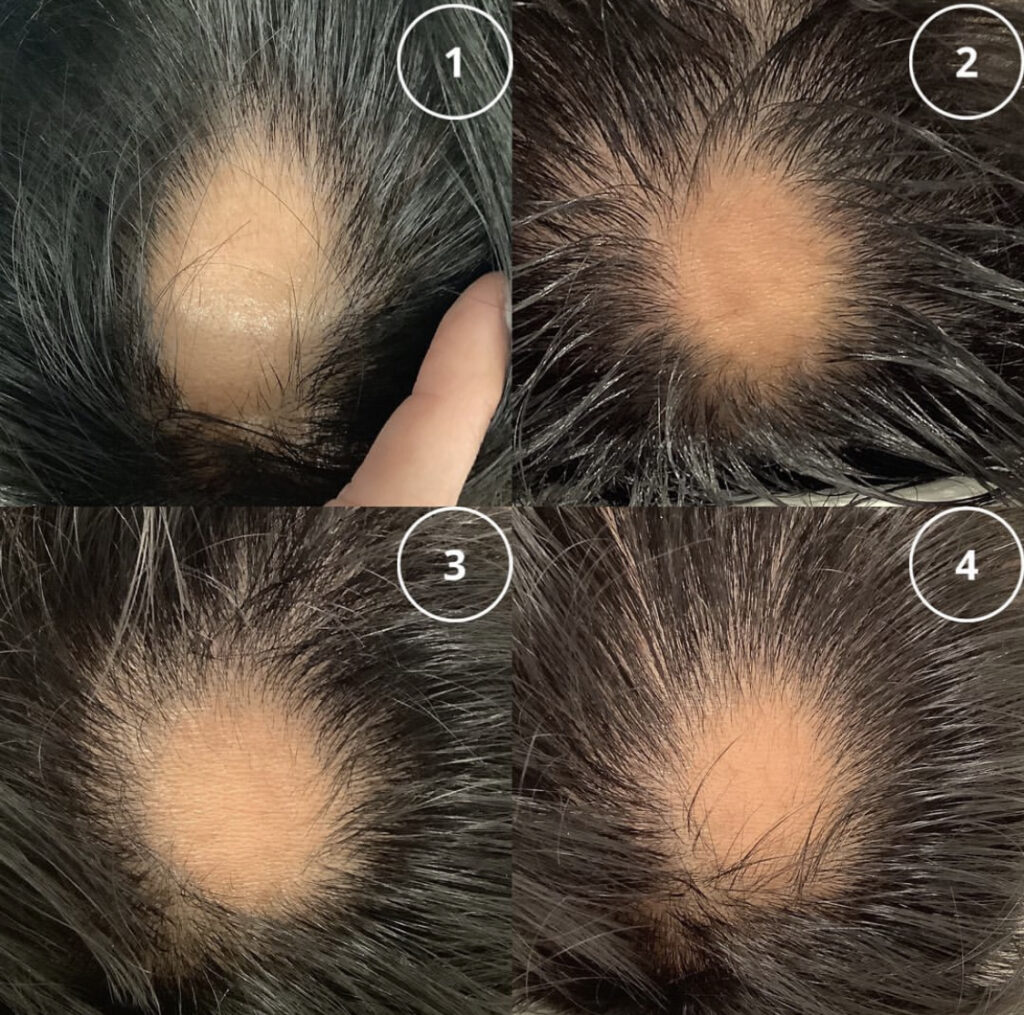
Real-life testimonials reveal the transformative power of these treatments. Before-and-after pictures, such as those shared by satisfied users of both medical and natural remedies, vividly illustrate their compelling journeys. These images reflect not merely the change in hair volume but also the rejuvenation of confidence that accompanies it. Words from individuals who have traversed this challenging path often resonate with sincerity and hope, encouraging others facing similar dilemmas.
In conclusion, the domain of hair regrowth is vast and multifaceted. The treatments available today, whether pharmaceutical, natural, or technological, offer viable options for those experiencing hair loss. As individuals embark on their respective journeys toward recovery, understanding the variety of available treatments and setting realistic expectations remain crucial. This path may not be linear or immediate, but with persistence and the right combination of therapies, the coveted ‘after’ could very well become a reality for many.
Regardless of the method chosen, individuals should consult with a healthcare professional to tailor a treatment plan suited to their specific needs. Ultimately, the journey from hair loss to regrowth is not solely about the aesthetic change but also about reclaiming one’s sense of self and confidence.
FAQ
What causes hair loss?
Hair loss can be caused by genetics, hormonal changes, medical conditions, nutritional deficiencies, stress, and scalp infections among other factors.
What are the most effective treatments for hair regrowth?
Effective treatments include topical minoxidil, oral finasteride, platelet-rich plasma therapy, low-level laser therapy, essential oils, proper nutrition, and lifestyle changes.
How long does it take to see results from hair regrowth treatments?
Results from treatments like minoxidil and finasteride typically appear after several months of consistent use; other therapies may vary depending on the individual and treatment type.
Are natural remedies effective for hair loss?
Some natural remedies, such as essential oils and scalp massages, may improve scalp circulation and hair health but generally have less scientific backing than pharmaceutical treatments.
Should I consult a healthcare professional before starting hair regrowth treatments?
Yes, consulting a healthcare professional is important to tailor treatment plans to individual needs and to rule out underlying conditions.
Leave a Reply