Short Answer
When you stub your toe or accidentally bump it against a piece of furniture, the immediate pain can send a shockwave through your body. But how do you distinguish between a mere bruise and a fractured toe? Understanding the signs and getting the appropriate treatment is crucial not only for recovery but also for ensuring that you don’t overlook a potentially serious injury.
Recognising the Symptoms of a Broken Toe
A broken toe can manifest through a variety of symptoms, each providing clues to the severity of the injury. Start by paying close attention to the following indicators:
- Severe Pain: A hallmark sign of a broken toe is intense, throbbing pain that persists and often worsens with movement. In contrast, pain from a simple stub may subside more quickly.
- Swelling and Bruising: Noticeable swelling, sometimes accompanied by a discolouration of the skin, often occurs shortly after the injury. If your toe displays an unusual shade of blue or purple, it may indicate a fracture rather than a simple contusion.
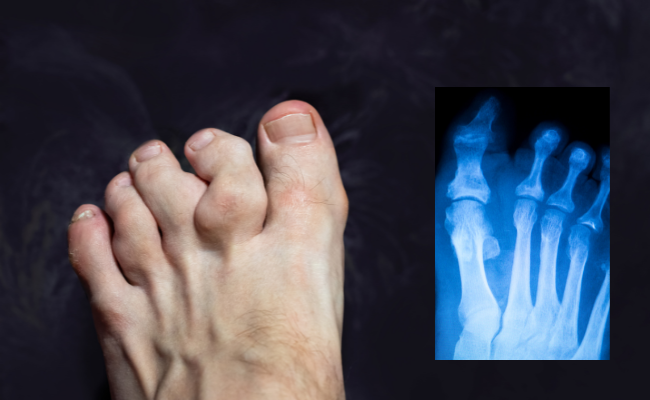
- Deformity: In more severe cases, a broken toe may appear misaligned or crooked. If you see any distortion in the toe’s normal shape or angle, immediate medical attention is warranted.
- Inability to Move: A fractured toe may lead to significant difficulty in moving the affected digit. If you find it agonising to flex or extend your toe, this could suggest a break.
- Difficulty Bearing Weight: An inability to walk or place pressure on the injured toe without experiencing sharp pain is another tell-tale sign of a fracture.
Determining the Severity of the Injury
Not all broken toes require the same approach to treatment. Understanding the type and severity of the injury can aid in determining the best course of action:
- Hairline Fractures: Often undetectable without imaging, these minute fissures may result in pain and swelling but could still allow for limited function. Usually, conservative treatment suffices.
- Complete Fractures: When the bone splits into two separate pieces, more intensive management is required. This type of injury often necessitates immobilisation or even surgical intervention in severe instances.
- Dislocations: Sometimes, a toe may not be broken but dislocated, complicating the diagnosis. This condition requires prompt reassessment to realign the joint properly.
Confirmation through Medical Assessment
While self-diagnosing can provide initial insight, a thorough medical examination ensures accuracy. Here are essential components of the diagnostic process:
- Visual Inspection: A healthcare professional will assess your toe for signs of misalignment, swelling, and bruising.
- X-rays: Radiological imaging is the gold standard for confirming a fracture. It allows for a clear view of the bone, revealing any fractures that may not be visible externally.
- Physical Examination: The doctor may gently palpate the area to assess pain levels and mobility, which will help in gauging the seriousness of the injury.
Treatment Options for a Broken Toe
The course of treatment often depends on the fracture’s location and severity. Here are common strategies employed to facilitate healing:
- Rest: The key to recovery is allowing your body the time it needs to mend. Limit activities that exacerbate pain, particularly weight-bearing exercises.
- Ice Therapy: Applying ice intermittently can reduce swelling and numb pain. Wrap ice in a cloth and apply it for 15-20 minute intervals.
- Elevation: Keeping the injured toe elevated above heart level can help minimise swelling and aid in pain relief.
- Immobilisation: Depending on the fracture, a doctor may recommend buddy taping your toe to an adjacent digit or the use of a stiff-soled shoe to protect it during the healing process.
- Pain Relief: Over-the-counter analgesics such as paracetamol or ibuprofen can help manage pain and reduce inflammation.
- Medical Intervention: In cases of severe fractures or persistent pain, surgical options may be necessary. This could involve the insertion of pins or plates to stabilise the bones.
When to Seek Immediate Medical Attention
Understanding when to seek professional help is imperative for effective treatment. You should consider immediate medical evaluation if:
- The pain is intolerable and not relieved by over-the-counter medications.
- You notice an open wound or are concerned about infection.
- Your toe appears out of alignment or bent in a manner that seems unnatural.
- Swelling does not decrease after a few days of at-home care.
In conclusion, recognising the signs of a broken toe and understanding the appropriate treatment pathways can significantly impact your recovery. By remaining vigilant and adopting a proactive approach, you can ensure your foot health is adequately protected, allowing you to return to your everyday activities without lingering pain or complications.
FAQ
How do I know if my toe is broken?
Look for severe pain that worsens with movement, swelling, bruising, deformity, difficulty moving the toe, and trouble bearing weight.
What should I do if I suspect a broken toe?
Rest the toe, apply ice, elevate it, avoid putting weight on it, and see a healthcare professional for diagnosis and treatment.
Can a broken toe heal without surgery?
Most broken toes heal with conservative treatment like rest and immobilization, but severe fractures may require surgery.



Leave a Reply