Short Answer
Artificial grass has become a popular landscaping alternative, offering myriad benefits such as low maintenance, aesthetic appeal, and environmental sustainability. However, to reap these rewards fully, a proper cleaning and maintenance regime is imperative. In this guide, we will delve into the comprehensive measures that can insulate your investment and ensure your artificial turf remains lush and inviting.
At the outset, it’s crucial to understand the significance of regular maintenance. While artificial grass doesn’t require the same level of upkeep as natural grass, neglect can lead to unsightly wear and a buildup of debris. Therefore, let us embark on a journey through the essential components of artificial grass maintenance, elucidating techniques, tools, and best practices that promise not only to enhance the appearance of your turf but also to prolong its lifespan.
1. The Daily or Weekly Sweep: The Foundation of Maintenance
One of the simplest yet most effective ways to maintain your turf is through regular sweeping. This action serves as the first line of defence against debris accumulation. Using a stiff-bristled broom, gently sweep away leaves, twigs, and other organic matter. The bristles aid in lifting the grass blades, allowing for an even distribution and helping to prevent matting.
For larger areas, consider investing in a leaf blower. This handy tool can drastically reduce the time spent clearing your turf. The ability to maneuver easily around flower beds and furniture simplifies the task, allowing you to maintain your lawn’s pristine condition with minimal effort.
2. Rinsing Away the Everyday: Keeping It Fresh
After your weekly sweep, it is prudent to rinse your artificial grass. This process removes dust, pollen, and other fine particles that may have settled on the surface. Employing a standard garden hose with a spray nozzle offers enough pressure to dislodge trapped grime without damaging the blades.
Moreover, consider a quarterly thorough rinse to strike a balance between maintenance and water conservation. During hot months, rinsing not only clears unsightly substances but also cools the turf, enhancing the tactile experience underfoot.
3. Stains and Spills: Banish the Unsightly
Accidents happen, but fear not—tackling stains on artificial grass isn’t as daunting as it may seem. For organic spills, such as food or pet waste, immediate cleaning is vital. Use a mixture of warm water and mild soap, applying it directly to the affected area with a soft cloth or sponge. Follow up with a gentle rinse to prevent residue build-up.
For more obstinate stains—think oil or paint—you may wish to employ a specialist turf cleaner. These products have been formulated to break down challenging substances without compromising the integrity of your grass. Always conduct a patch test in an inconspicuous area prior to widespread application, ensuring there are no adverse reactions.
4. Brush Up: Maintaining the Turf’s Plushness
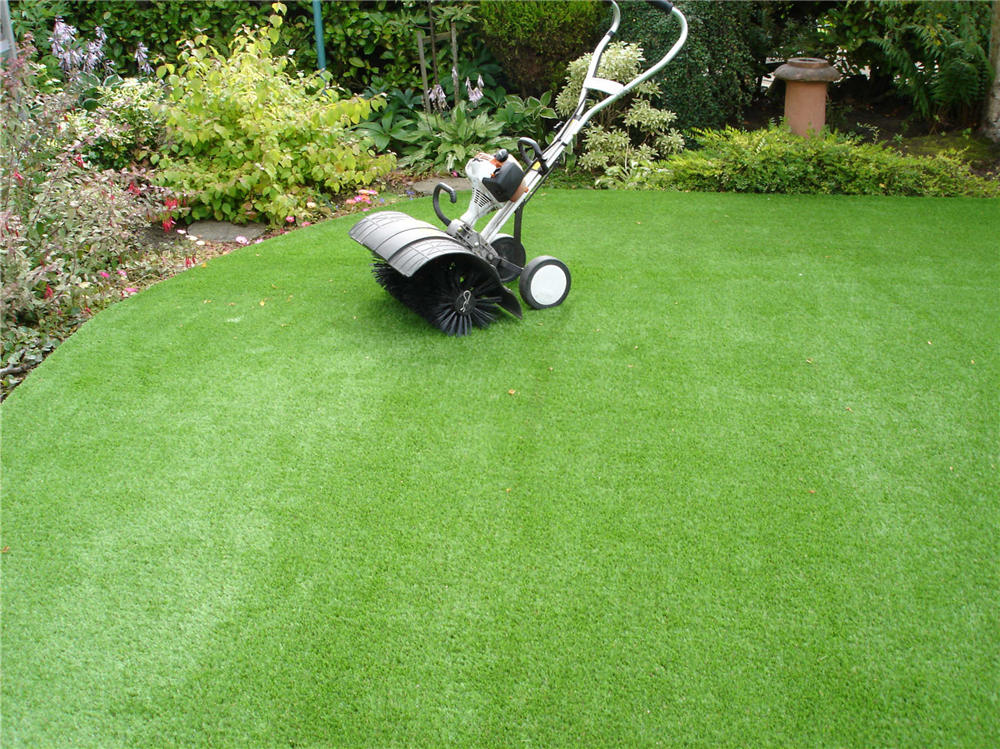
Brushing your artificial grass is akin to grooming. Over time, foot traffic and weather conditions may compact the blades, resulting in a flat appearance. Investing in a power broom or a manual brush can reinvigorate your turf, restoring its lively flair.
Engage in this practice at least once a month and adjust depending on the frequency of use. In high-traffic areas, a bi-weekly brush might be necessary. The act of lifting up the blades allows for improved drainage and aeration, greatly contributing to overall lawn health.
5. Dealing with Weeds: A Surprising Occurrence
While artificial grass is designed to be weed-resistant, it’s not entirely impervious to these uninvited guests. Occasionally, weeds might sprout through seams or perimeters. Hand-pulling remains the most effective method for removing them, as it prevents the use of herbicides, which can be harmful to the integrity of the synthetic material.
For added protection, consider installing a landscape fabric during initial installation to deter weed growth and promote easy transitions when it comes to maintenance. This foresight can save time and sustain the integrity of your artificial paradise.
6. The Power of Deodorisers: Combatting Unpleasant Odours
For pet owners, the concern of lingering odours is often paramount. Affording your turf a fresh, clean scent is manageable by applying specially formulated turf deodorising products. These products neutralise unpleasant smells, particularly those associated with pet waste. Ensure that the chosen deodoriser is non-toxic and suitable for artificial surfaces.
Moreover, a simple weekly rinse can assist in maintaining an odour-free environment, particularly in hot weather when bacteria proliferate. The dual action of cleaning and deodorising will keep your lawn smelling as beautiful as it looks.
7. Final Thoughts: Cultivating Care for Lasting Beauty
In closing, artificial grass maintenance demands careful consideration and dedication, but the rewards are manifold. Regular cleaning regimes not only enhance the visual appeal of your lawn but also extend its functional lifespan. By adopting a systematic approach to maintenance, you can bask in the knowledge that your artificial grass not only contributes to the aesthetic charm of your property but also serves as a sustainable solution reflective of modern living. As you integrate these practices into your routine, your turf will stand as a testament to your diligent care, ever vibrant and welcoming as the seasons change.
FAQ
How often should I clean my artificial grass?
It’s recommended to sweep daily or weekly and rinse regularly, with thorough cleaning depending on usage.
What can I use to remove stains from artificial grass?
For organic spills, use warm water and mild soap. For tougher stains, a specialist turf cleaner is advised.
Is it necessary to apply deodoriser on artificial grass?
Yes, especially for pet owners, to neutralise odours. Regular rinsing also helps maintain freshness.

Leave a Reply